Technology
7/10
AI is dramatically accelerating drug discovery from years to months, bringing treatments to patients faster.
AI is dramatically accelerating drug discovery from years to months, bringing treatments to patients faster.

Canine plasma therapy receives FDA clearance, opening new treatment possibilities.
New AI model helps predict clinical trial success, potentially accelerating drug development timelines.
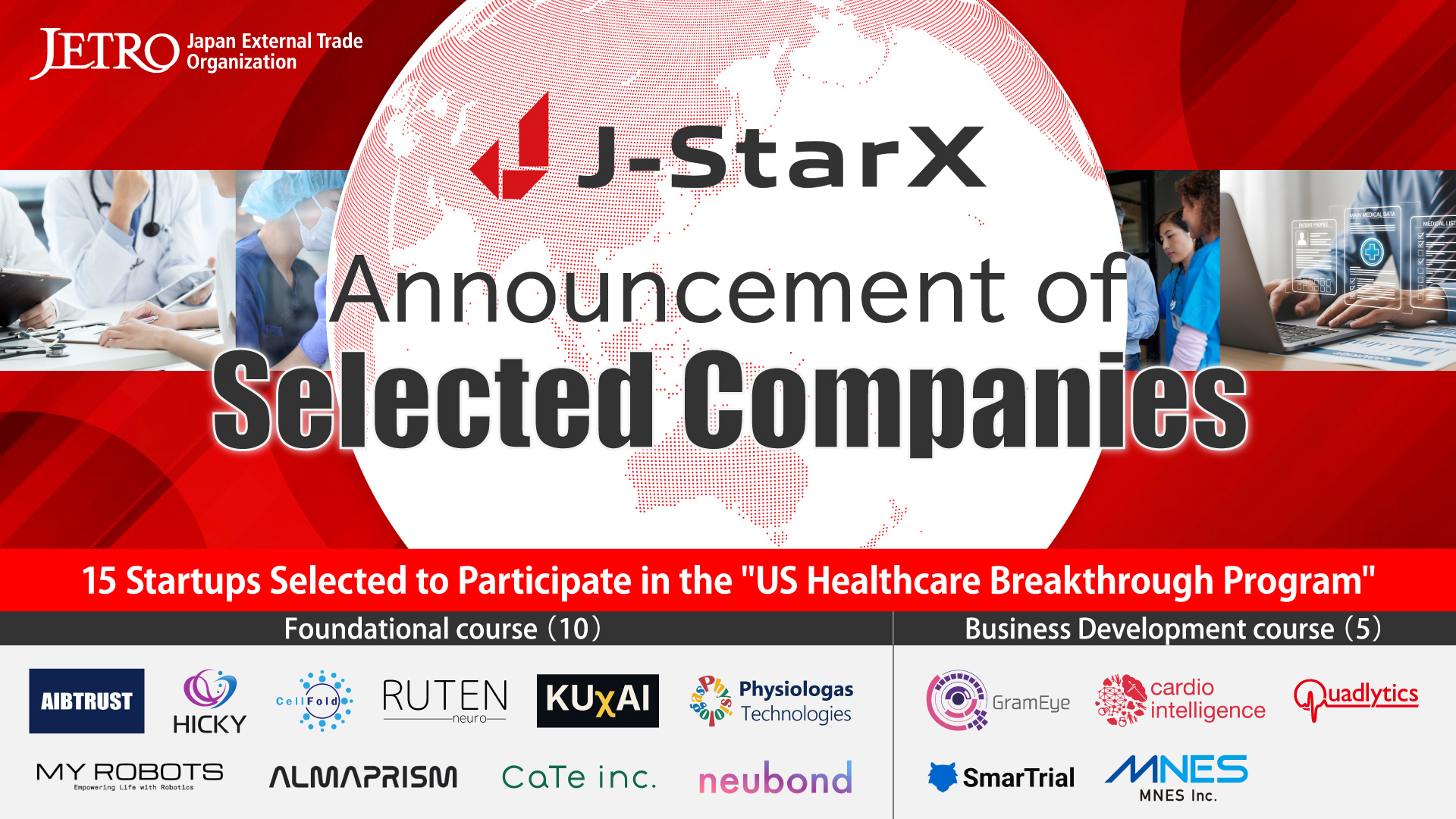
Mayo Clinic and JETRO are supporting fifteen innovative Japanese healthcare startups in breakthrough medical technology.
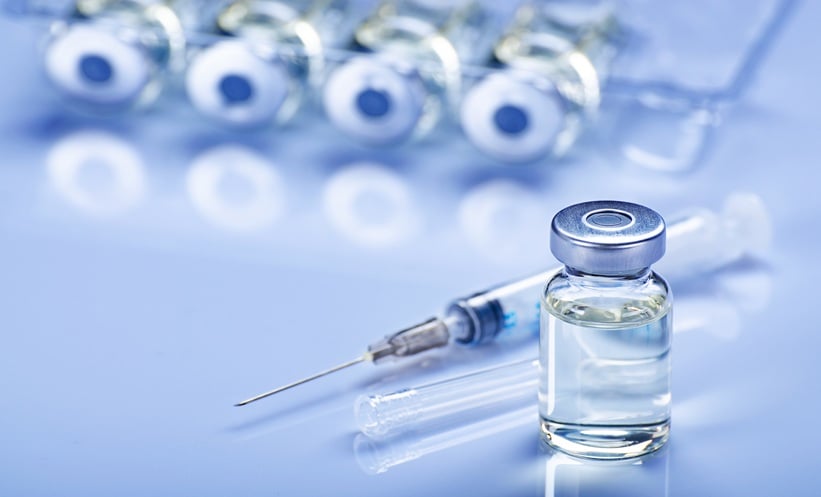
Fridge-free vaccines successfully tested, potentially revolutionizing global vaccine distribution and accessibility.
AI is accelerating drug discovery, potentially bringing life-saving medications to patients faster than ever before.

AI successfully identifies new health insights in routine sleep studies, potentially improving diagnosis and treatment.
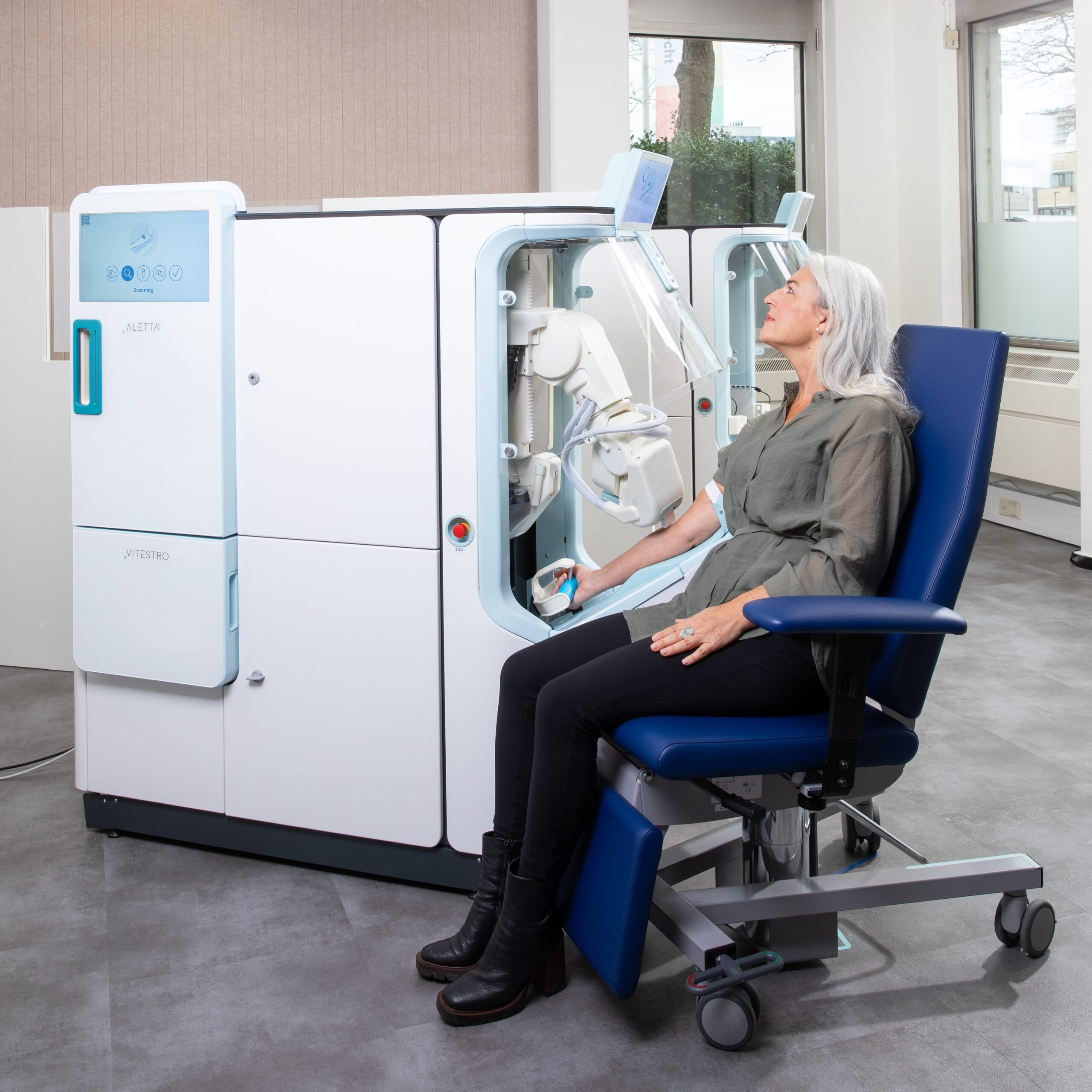
Robotic phlebotomy system achieves 94.5% success rate, potentially improving patient comfort during blood draws.

An advanced wound sealant technology receives breakthrough designation to help patients heal better.
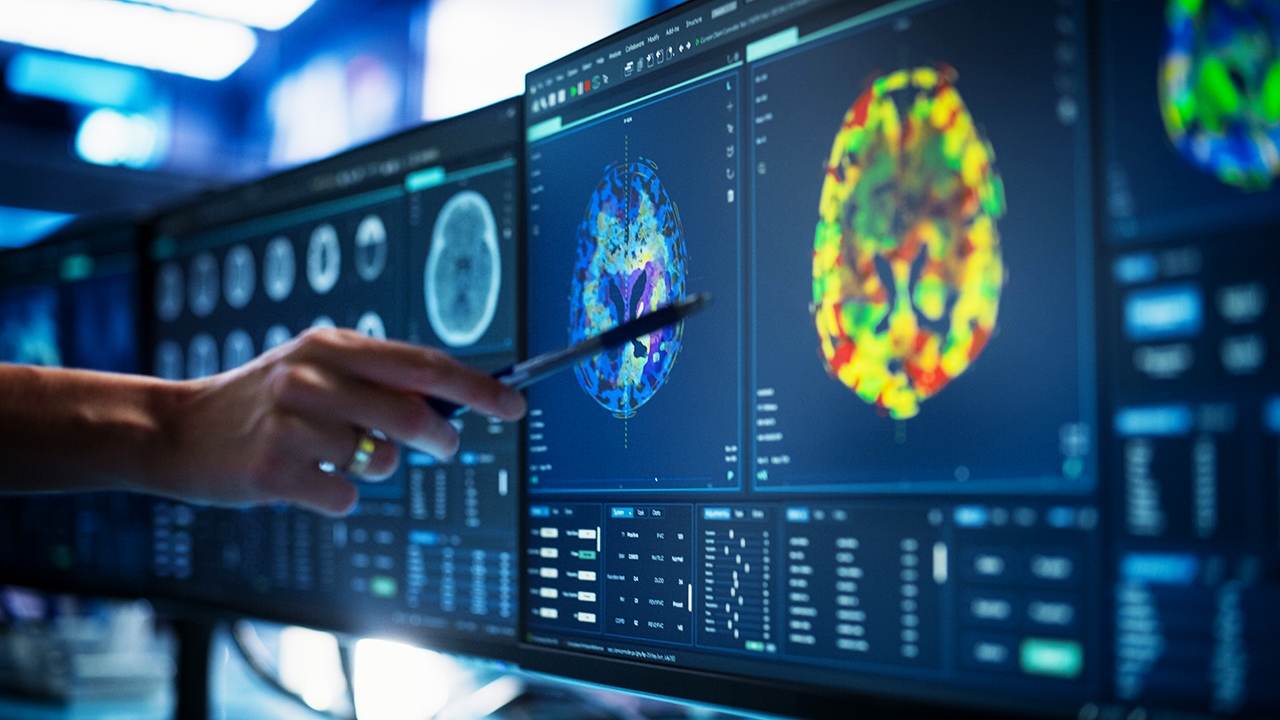
Johns Hopkins AI breakthrough can detect pancreatic cancer earlier than traditional methods, potentially saving lives.

AI-powered tools are accelerating drug discovery by identifying better therapeutic targets more efficiently.
The US is investing $5 billion in AI research to accelerate drug discovery, potentially bringing life-saving treatments to patients faster.
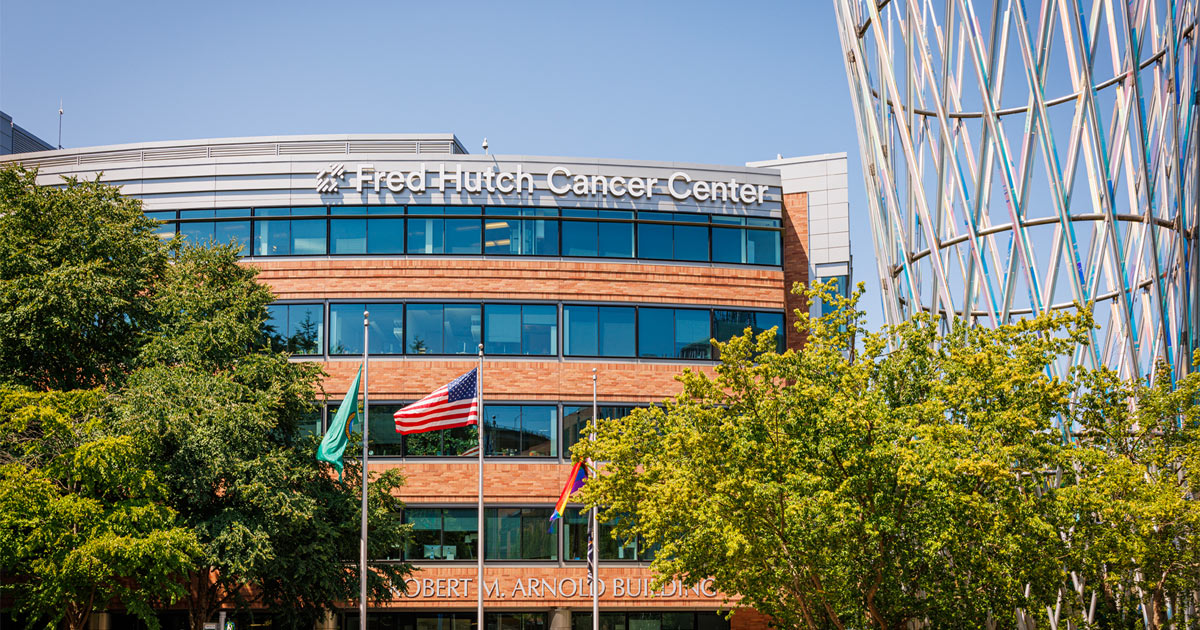
AI-powered virtual patient technology is accelerating medical discovery and drug development.
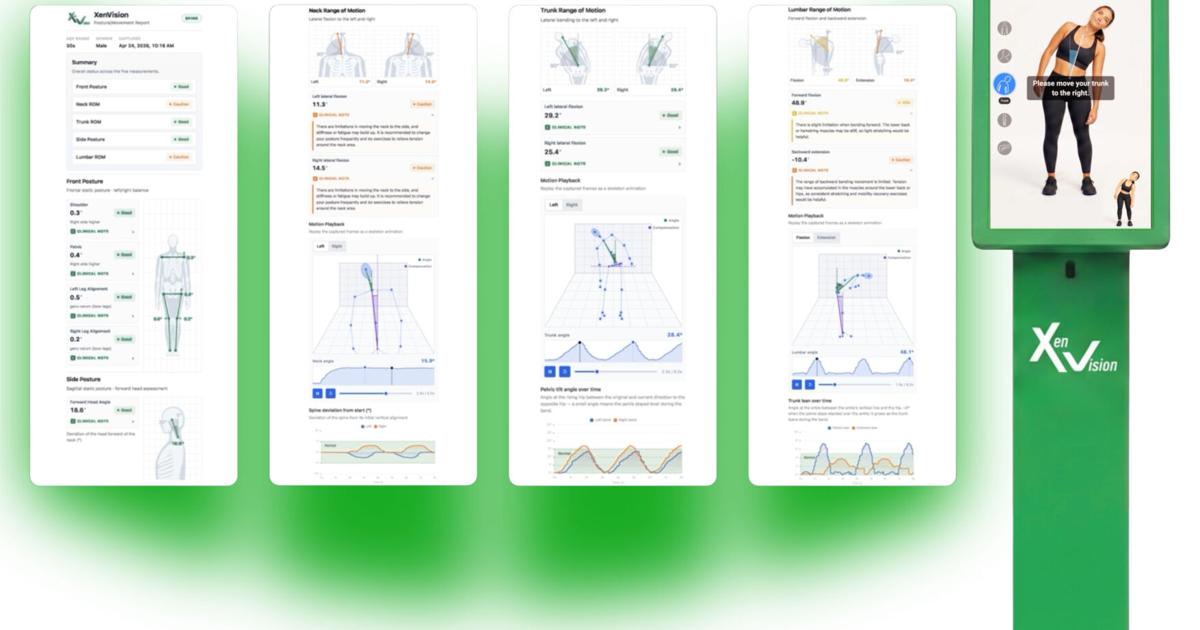
AI-driven technology advances musculoskeletal health diagnosis and treatment capabilities.
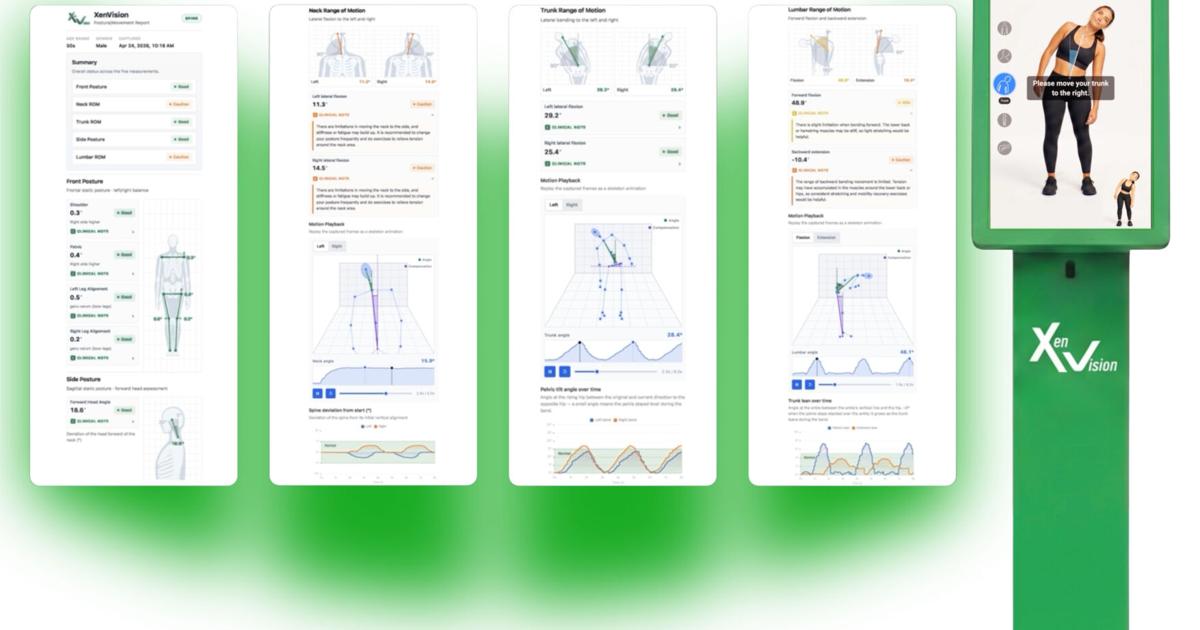
AI-driven technology offers new hope for musculoskeletal health diagnosis and treatment.

AI is being applied to drug discovery and weight loss solutions, advancing multiple health frontiers.
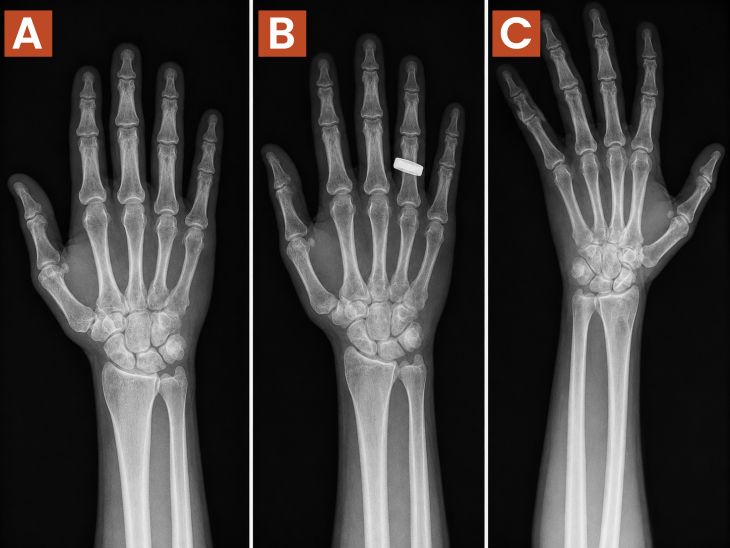
First-ever X-rays taken in space could improve medical care for astronauts and advance healthcare technology.
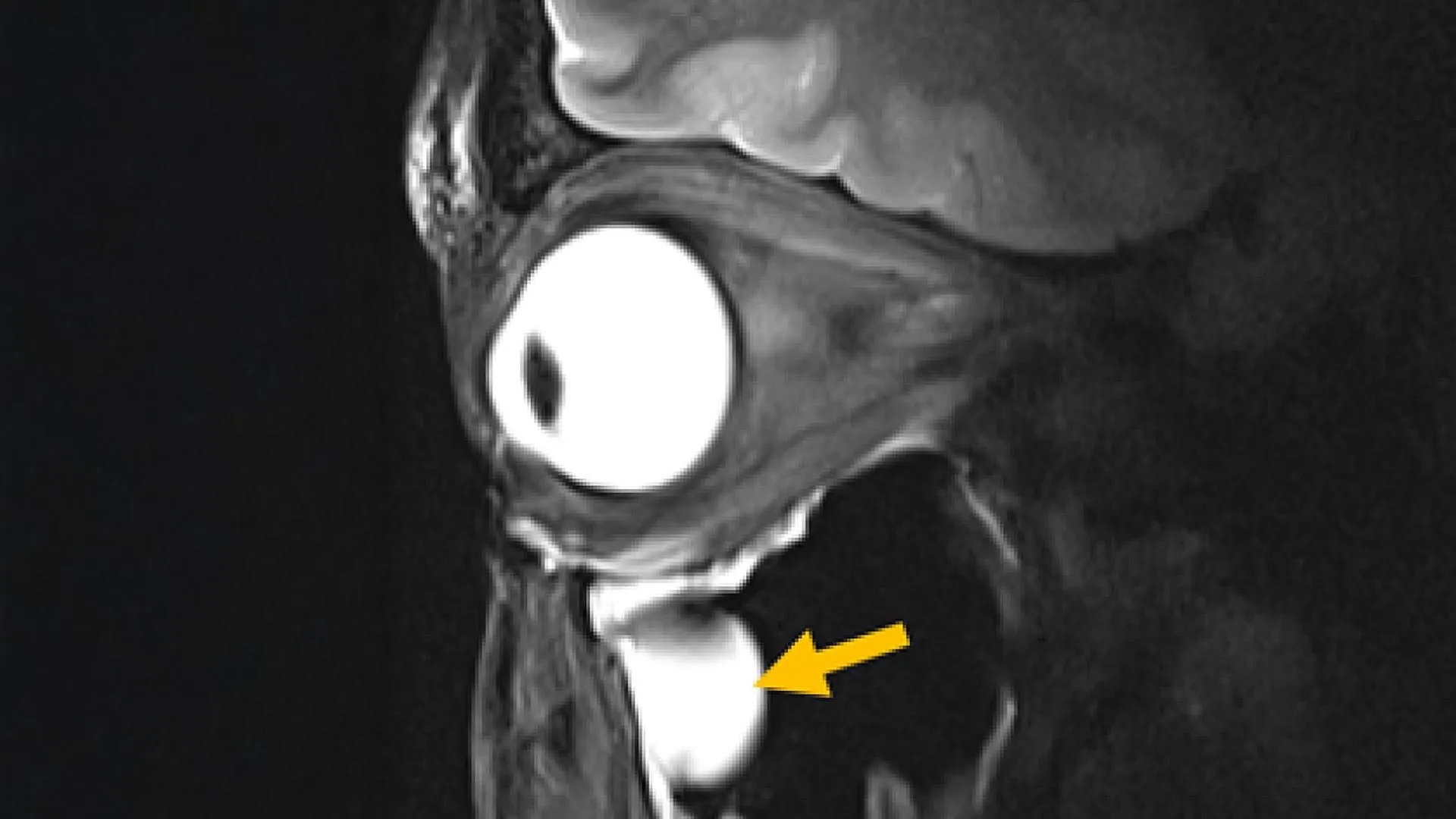
Advanced MRI technology reveals unprecedented detailed images of the brain and eye, enabling better diagnosis and treatment.
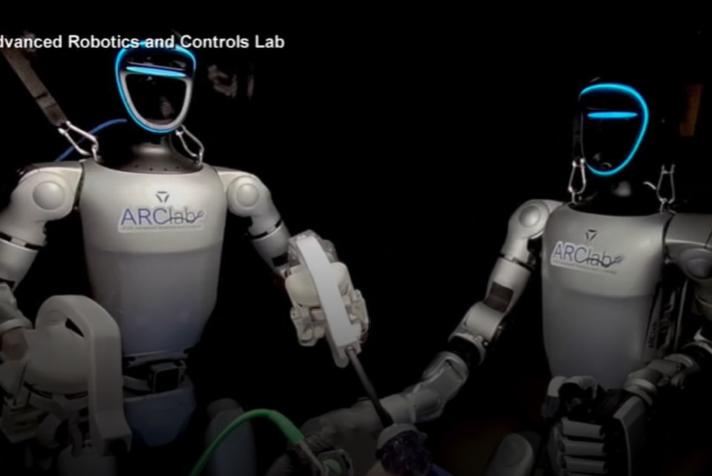
Humanoid robots successfully performed surgeries autonomously, representing a groundbreaking advancement in surgical technology and precision medicine.

Baby KJ's groundbreaking CRISPR gene therapy demonstrates the potential of genetic medicine to change lives.
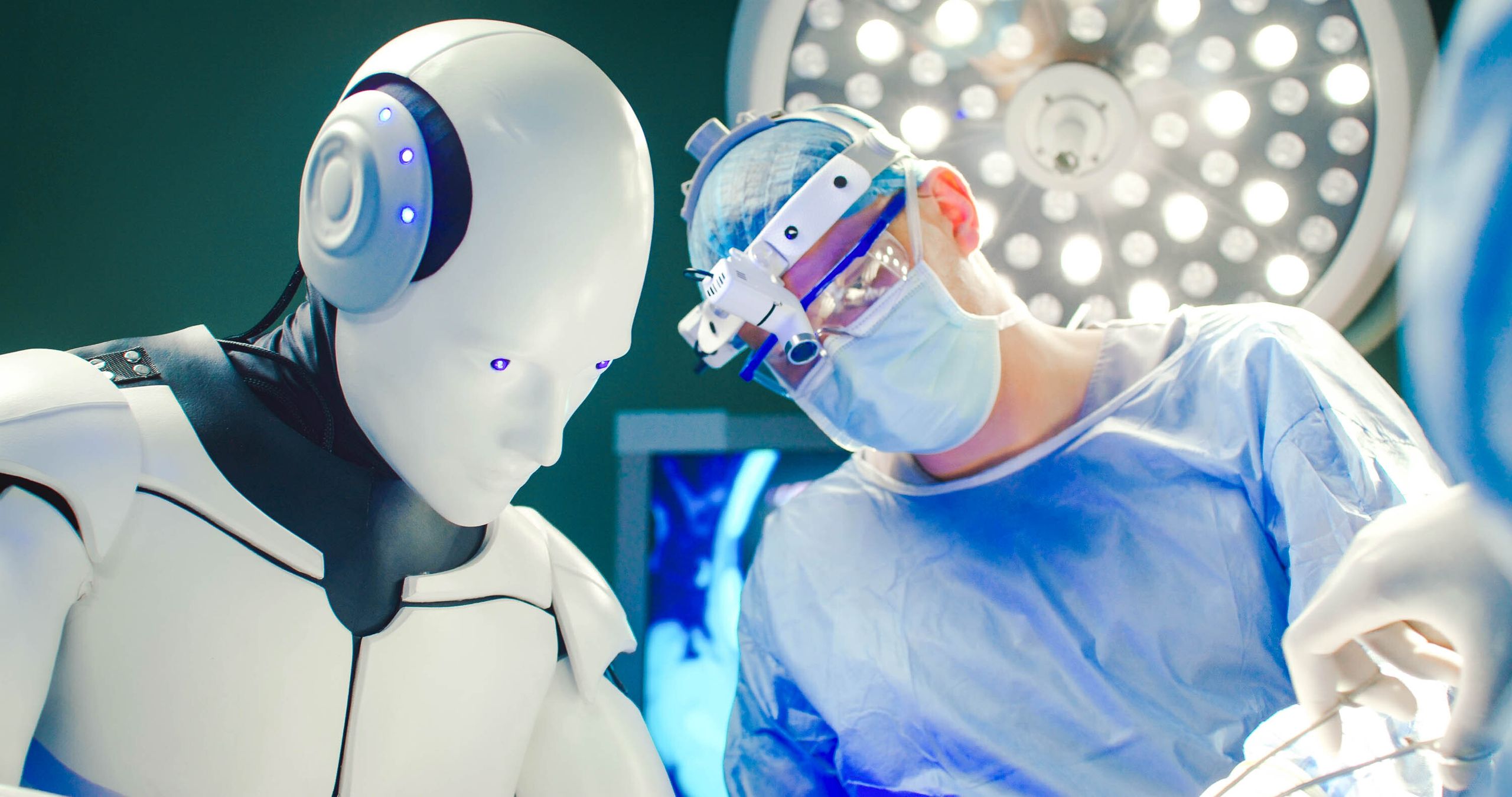
Humanoid robots successfully assisted in live surgeries, marking a transformative advancement in surgical precision and capability.
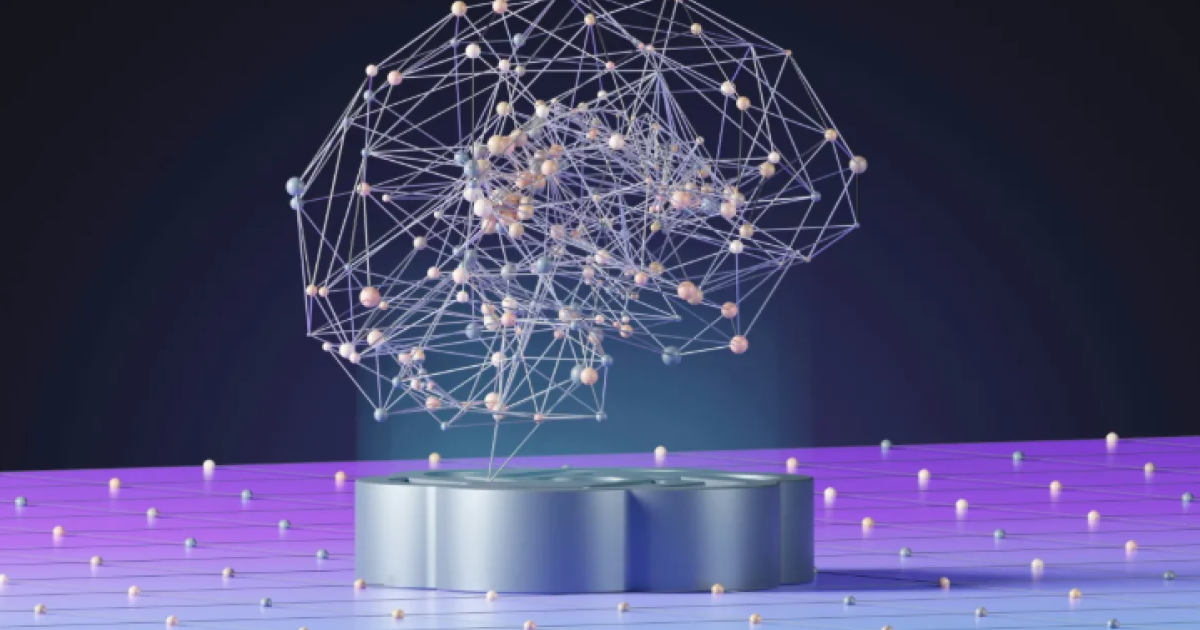
AI applications in pharmaceutical development are projected to accelerate drug discovery and reach $28.6 billion by 2034.
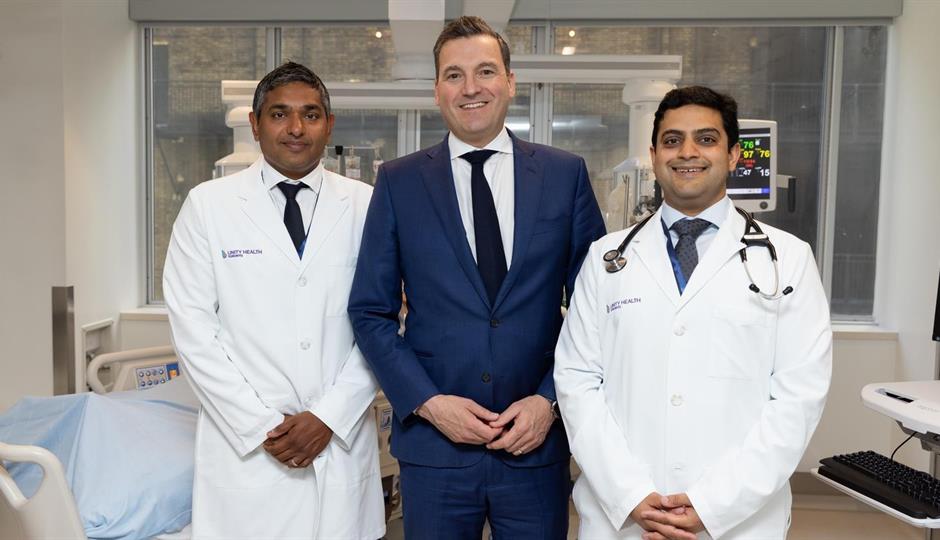
A new national health data platform connecting Canadian hospitals will improve care coordination and patient outcomes across the country.
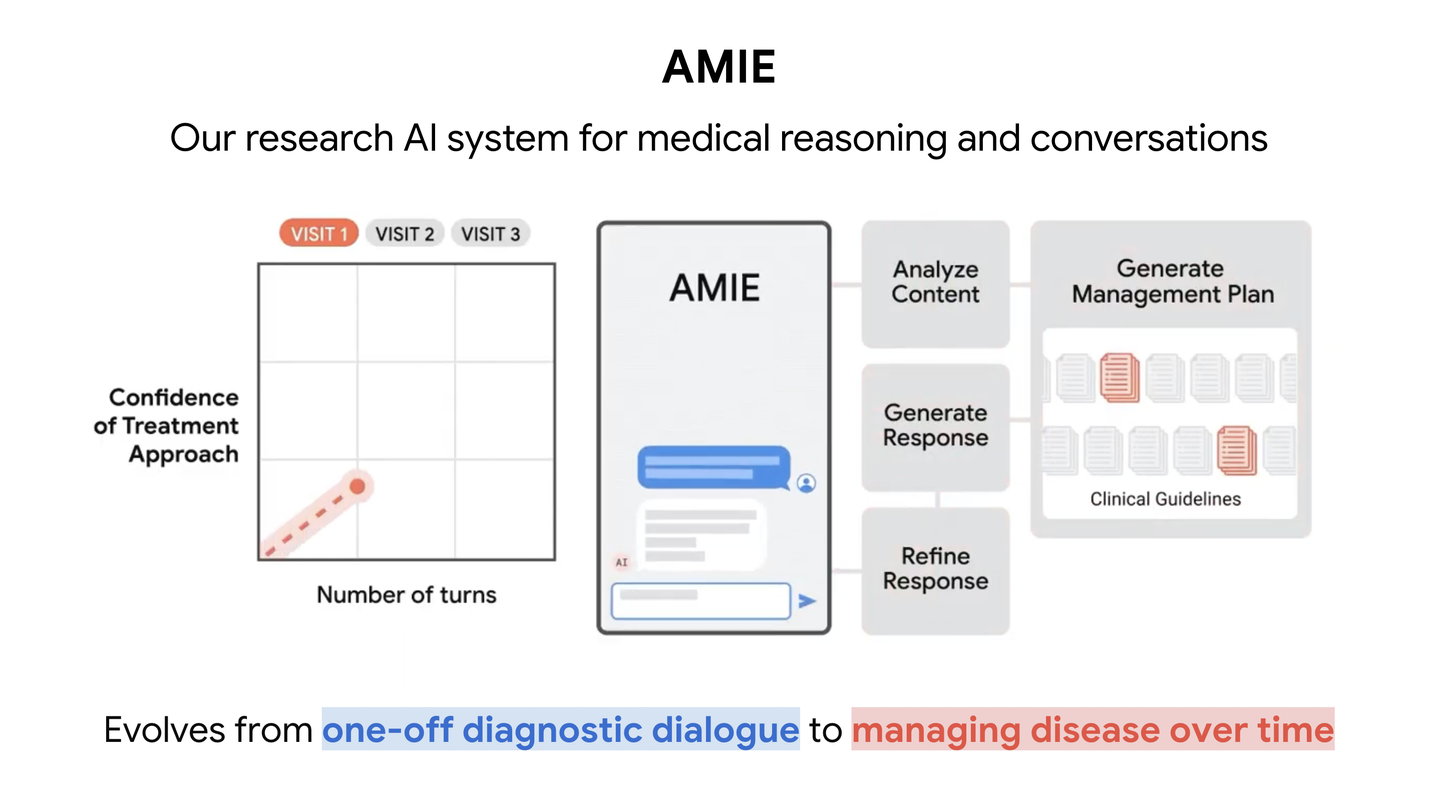
Google's medical AI (AMIE) shows promise in helping manage various health conditions more effectively.

Wireless antenna technology advances next-generation medical implants for better patient outcomes.

Anthropic launches an AI drug discovery program, accelerating the development of new treatments.

FDA grants breakthrough device designation for innovative stent system to treat pulsatile tinnitus.
FDA's new priority voucher program supports innovative drug development for critical needs.
Artificial intelligence's mathematical advances are opening new possibilities for medical applications and drug discovery.
Scientists using advanced genetic sequencing technology to unlock medical discoveries from DNA analysis.
Artificial intelligence is accelerating medical discoveries and driving healthcare innovation.

AI technology is helping more people access vital health screenings for early disease detection.
A minimally-invasive spinal treatment device received FDA approval to advance patient care options.
AI is transforming drug development, potentially accelerating the discovery of new treatments for patients.

Jerusalem is advancing medical innovation through ambitious new initiatives to improve healthcare globally.
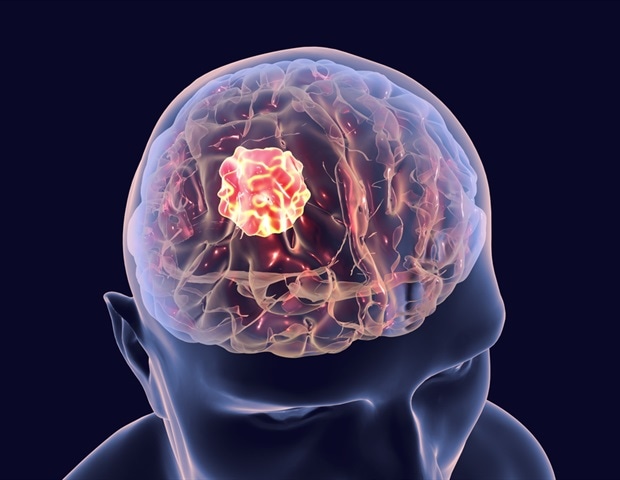
Drug-filled nanofibers represent a promising new approach to delivering treatment directly to brain cancer tumors.
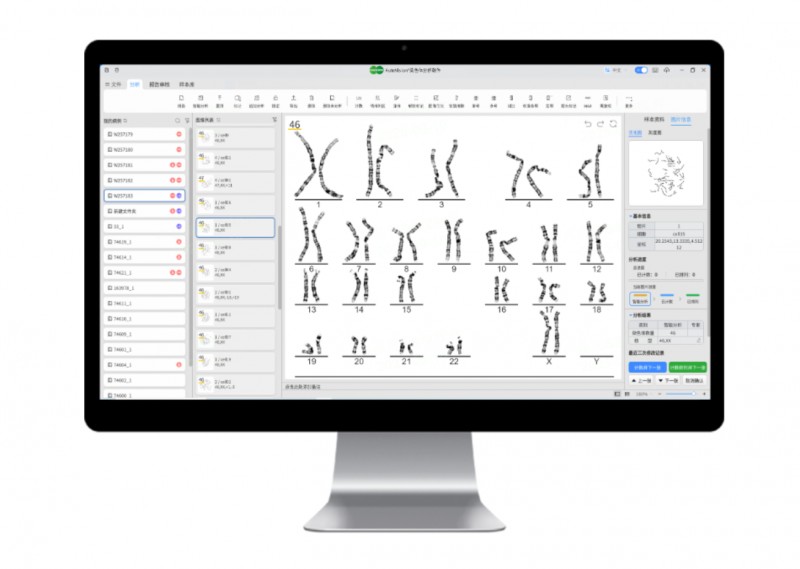
World's first Class III approval for breakthrough medical imaging AI brings advanced diagnostic capabilities to clinical practice.
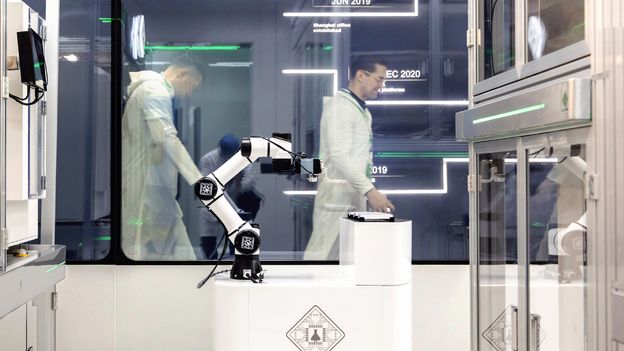
AI is unlocking life-saving treatments for diseases previously considered incurable.
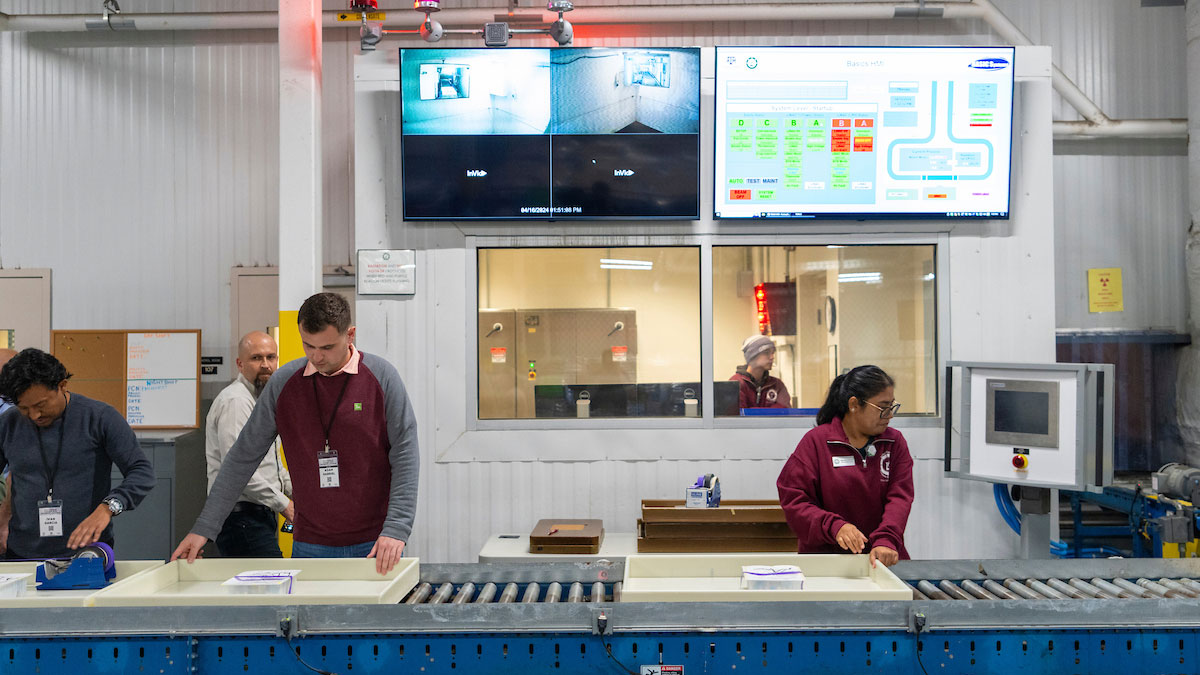
Texas A&M researchers achieved a breakthrough in medical device sterilization that could improve safety and efficiency in healthcare.

AI drug trial platform expansion to US market promises to improve clinical trial efficiency and patient recruitment.
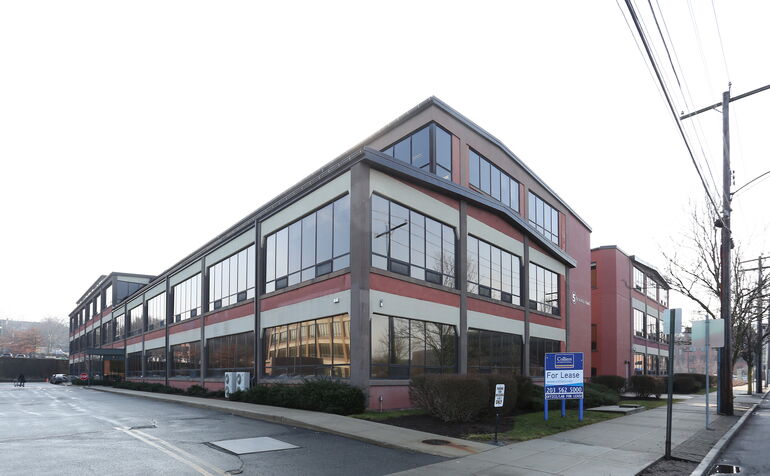
A biotech company's first FDA-approved drug represents progress in bringing new treatments to market.

A nature-inspired adhesive breakthrough could revolutionize bone repair and surgical procedures.
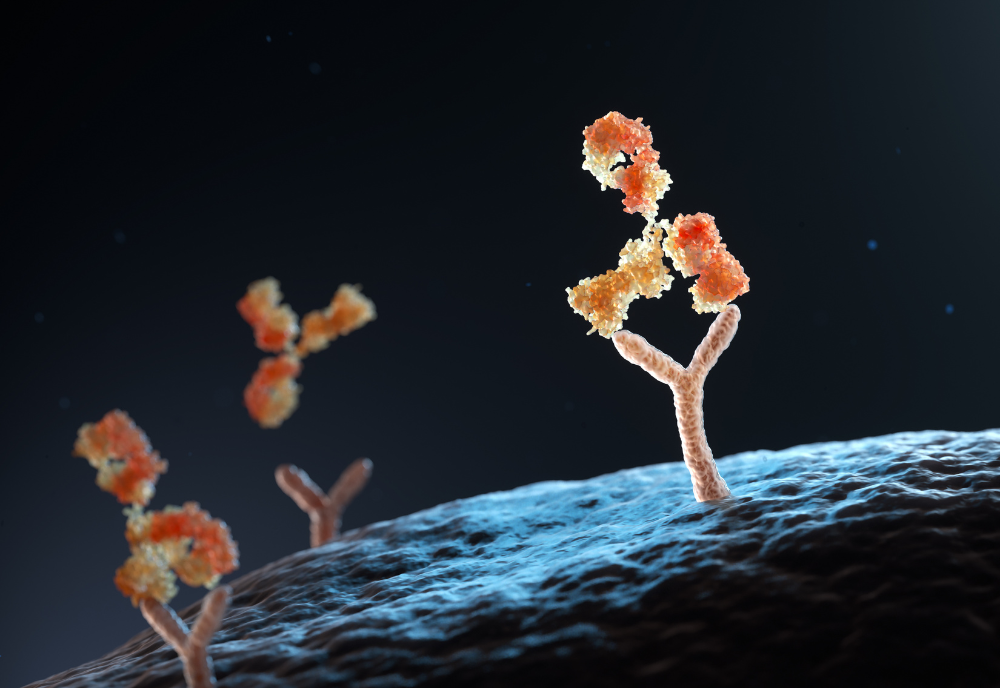
AI technology is being evaluated for real-world drug discovery applications, promising faster development of new medicines.
b.well Connected Health wins recognition for advancing digital health solutions that improve patient care.
Digital health innovations recognized through major awards program celebrating a decade of medical technology advancement.
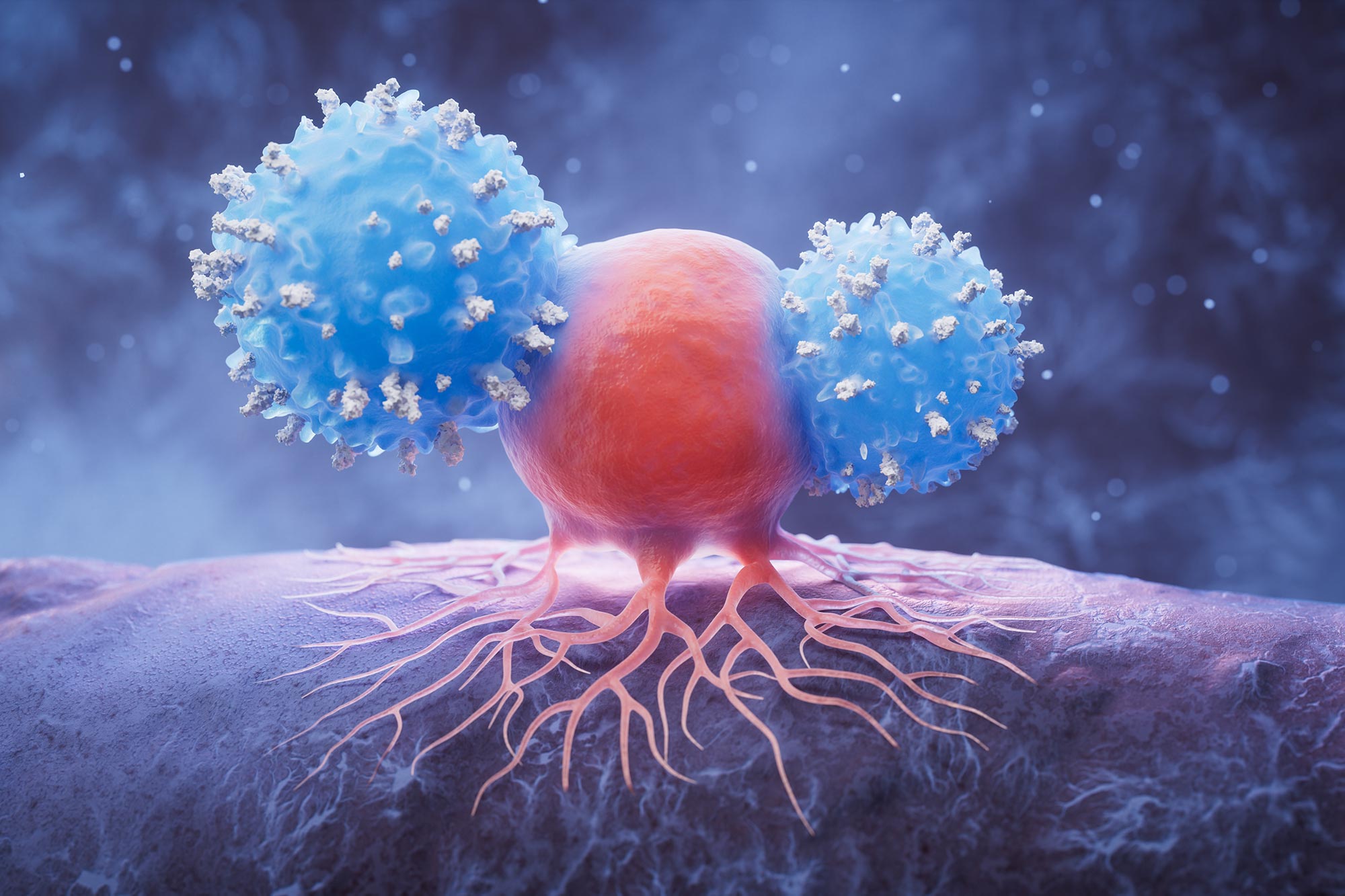
Breakthrough technology identifies new treatment targets for cancer, expanding therapeutic options.
Major philanthropic investment accelerates AI-powered medical research with potential to transform drug discovery.
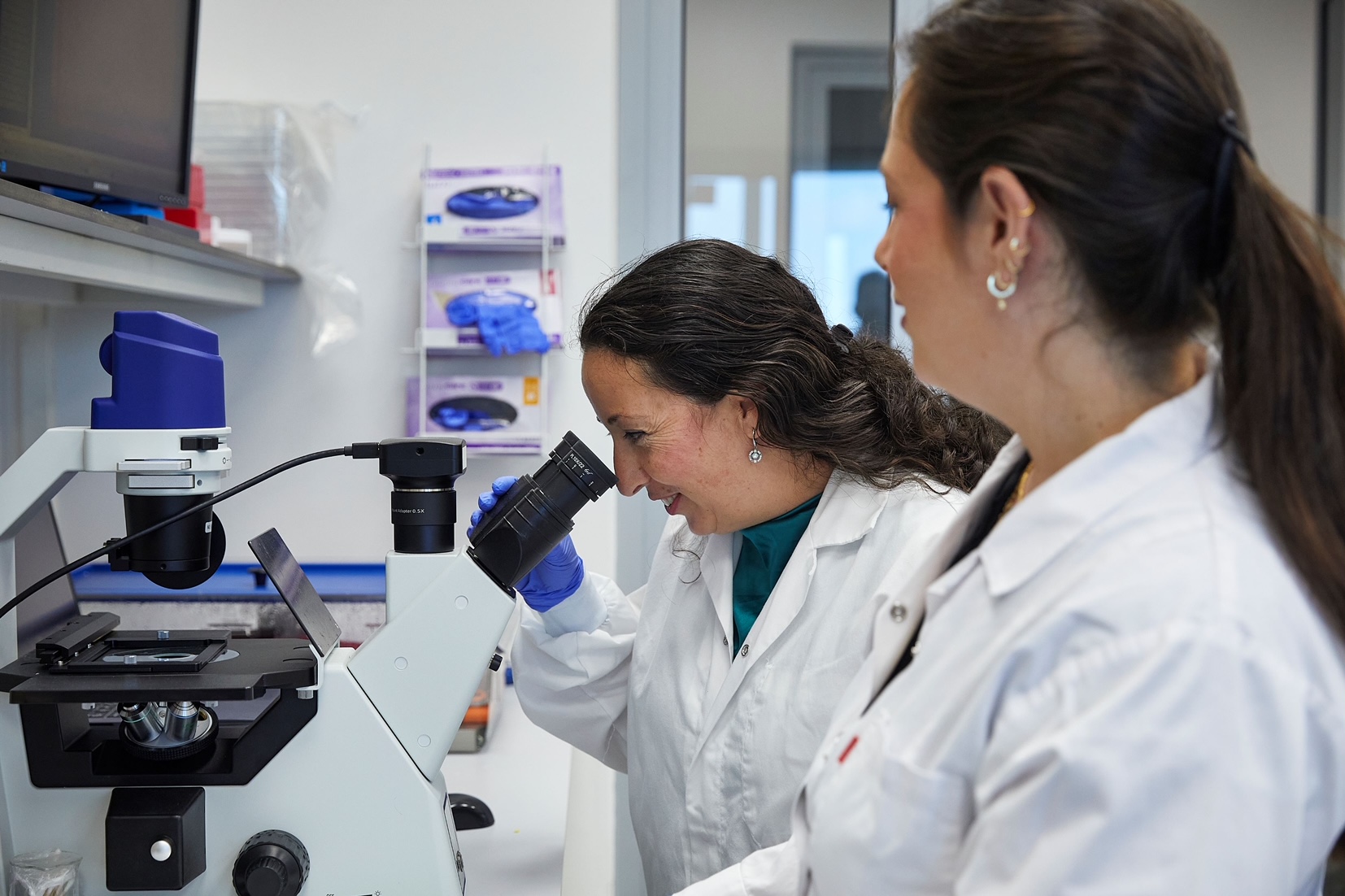
An Israeli stem-cell innovation leader brings cutting-edge treatment research to Florida.
AI and patient data integration are transforming drug discovery and improving treatment development.
A new diagnostic test helps identify ovarian cancer patients who can benefit from immunotherapy treatment.
Government agencies implement faster insurance coverage process for breakthrough medical devices to benefit patients.

CMS and FDA are collaborating to accelerate patient access to breakthrough medical devices through faster reimbursement pathways.
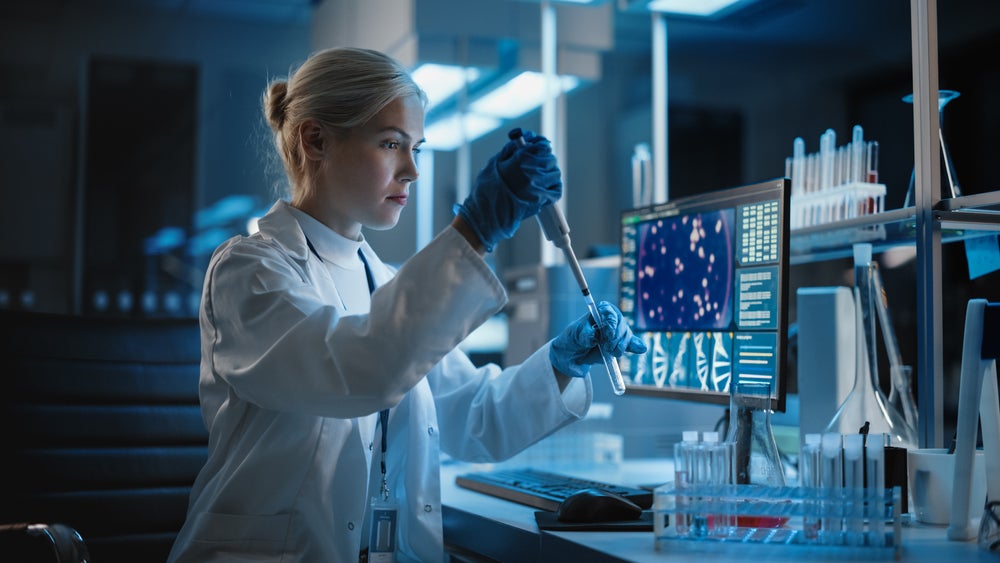
Non-animal testing methods are becoming mainstream, offering more ethical and efficient drug development pathways.

New diagnostic test helps identify ovarian cancer patients who will benefit most from targeted immunotherapy treatment.

EU launches support program to accelerate development of innovative medical devices and diagnostics.
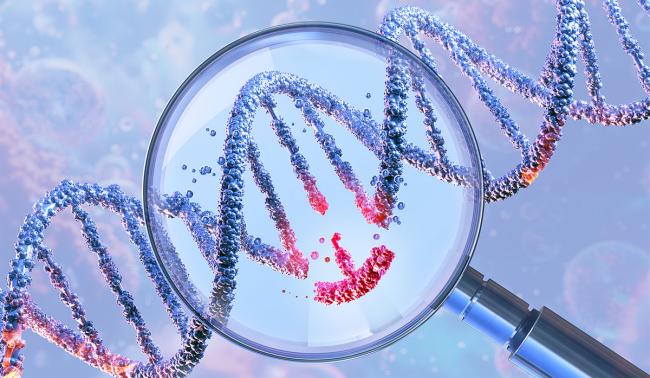
Scientists successfully shrink CRISPR technology for more precise and effective delivery of gene-editing treatments throughout the body.
A breakthrough transseptal puncture device receives FDA clearance, offering patients a safer alternative for cardiac procedures.
AI breakthroughs by major biotech and tech companies are accelerating drug discovery and surgical innovation, advancing treatment options.

UVA scientists develop AI tools that accelerate the discovery of new drugs, bringing potential treatments to patients faster.