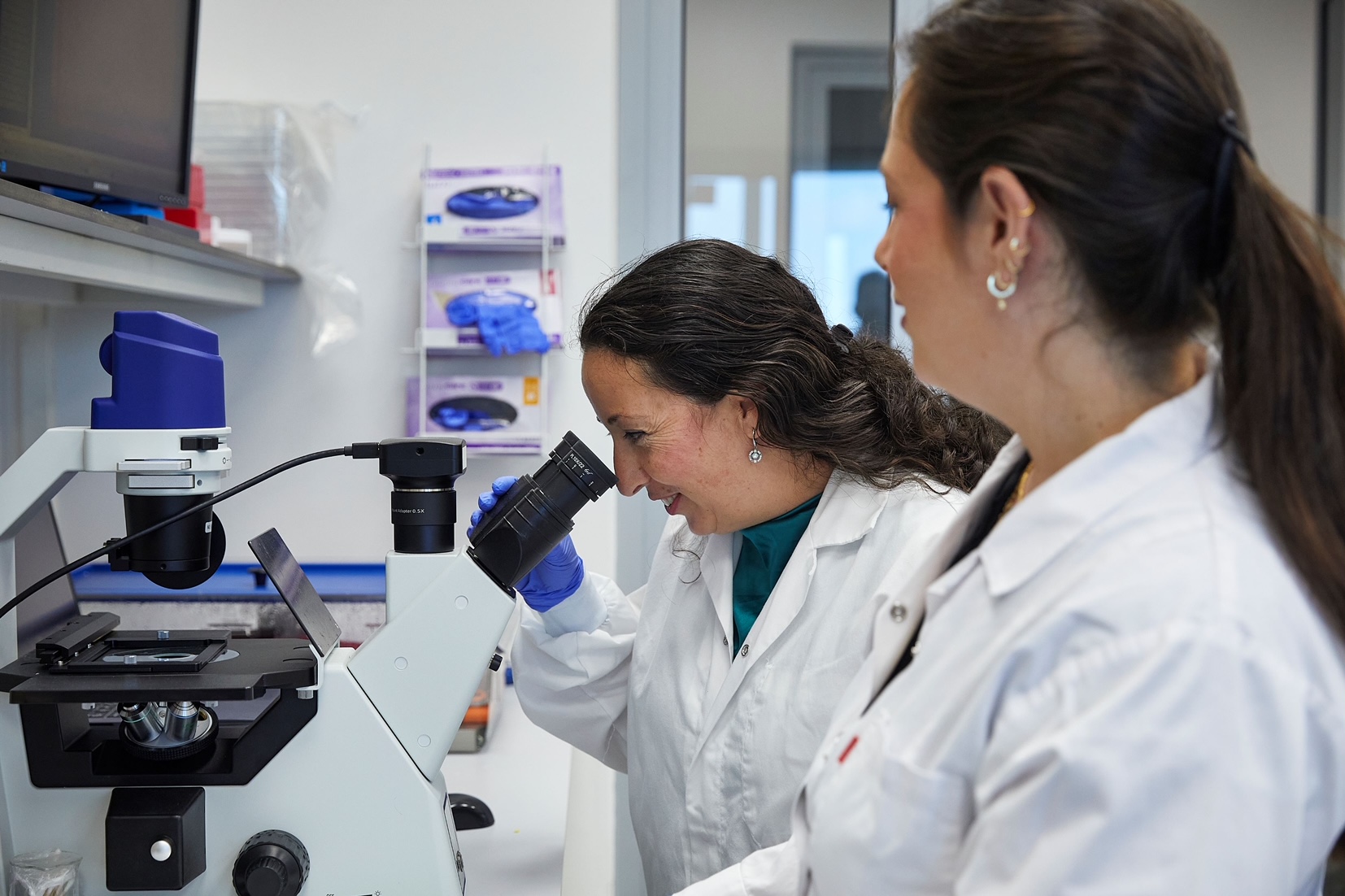
A new Florida law is allowing patients with hard to heal wounds to access cutting edge stem cell treatments years before they would normally reach the market. The legislation, which took effect July 1, permits physicians licensed in the state to provide certain stem cell therapies not yet approved by the US Food and Drug Administration in three high demand areas: orthopedics, wound care, and pain management. The aim is to speed relief to suffering patients who might otherwise travel overseas for unregulated care.
An Israeli biotech company called Cytora is among the first to take advantage of the new rules. The company has developed a stem cell therapy for diabetic foot ulcers, a condition that often leads to amputation. Early clinical trials in Israel showed the treatment promotes healing, according to CEO Yona Geffen. The therapy uses stem cells isolated from oral mucosa, based on observations by researcher Sandu Pitaru that certain mouth wounds heal quickly without scarring. Cytora has partnered with an FDA registered manufacturer in New Jersey and an FDA registered lab distributor in South Florida to produce and commercialize the treatment. The company plans to begin offering the product in Florida in 2027, initially treating about 100 patients.
Patients would pay out of pocket at first, since U.S. health insurers typically do not cover therapies not yet approved by the FDA. Geffen said that as the company runs larger U.S. clinical trials, some carriers may begin covering the treatment, and full insurance coverage is expected once the FDA grants approval. Cytora has raised roughly $17 million so far, including $12 million in equity from Israeli investors and $5 million in grants from Israeli authorities and pharmaceutical company Merck. It is now seeking another $5 million to begin U.S. manufacturing and $10 million to $15 million to complete Phase 2b clinical trials needed for FDA approval.
A Structured Path Forward for Regenerative Medicine
Ian T. Bothwell, who leads Cytora’s Florida partner Zeo ScientifiX, said the new law brings clarity to a field that has long existed in a gray zone. “Stem cell therapy has long existed in a gray zone, caught between scientific promise and regulatory gaps,” Bothwell wrote. “SB-1768 introduces structure where there was once ambiguity.” He expects other states to watch Florida’s approach and potentially follow its lead. Zeo, based at Nova Southeastern University’s Center for Collaborative Research, will handle sales and marketing for Cytora’s treatment across its network of clinics and doctors in Florida.
Geffen said the legislation positions Florida as a pioneer in regenerative medicine. “We are pioneers in using this new legislation, and I know that after us, there will come many more companies to offer new stem cell therapies for patients in Florida,” she said. The company plans to present its expansion plans at the GoForIsrael investment conference in Miami Beach this fall. Bothwell expressed optimism about the partnership’s potential. “There is so much potential in regenerative medicine,” he said. “I think this partnership with Cytora will lead to many more opportunities to bring stem cell therapies to Florida.”