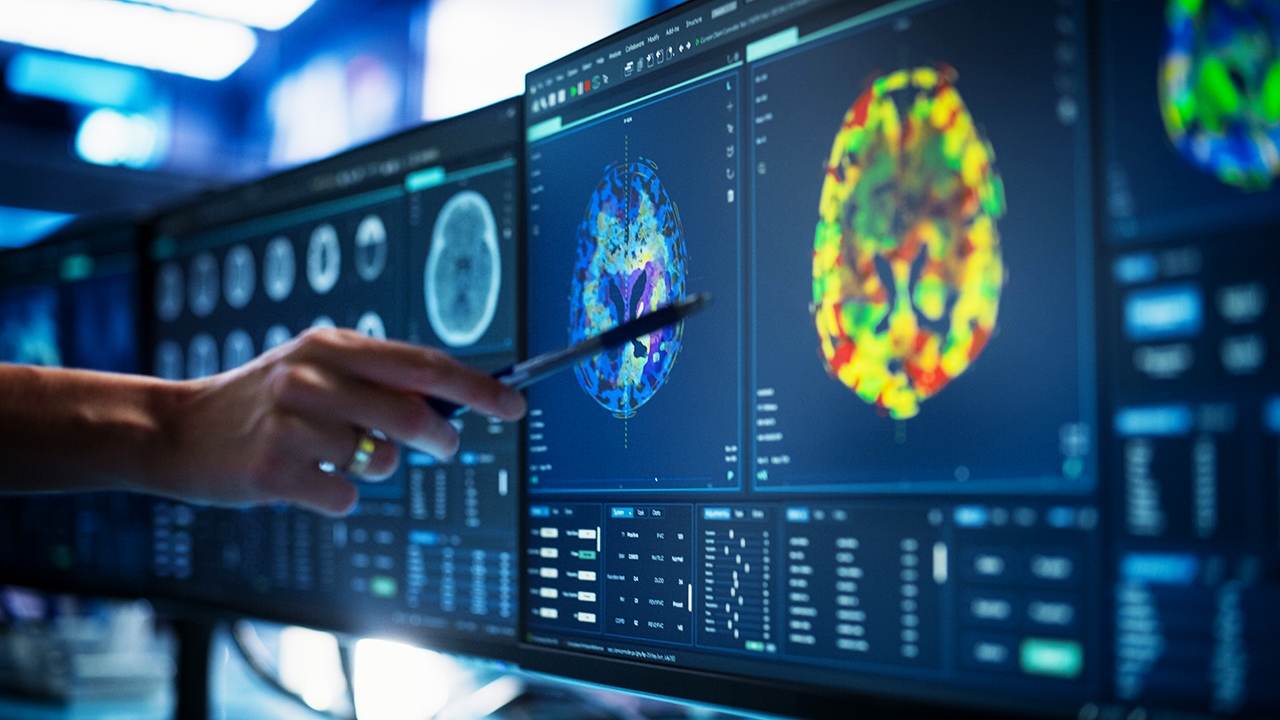
Artificial intelligence is showing it can spot signs of pancreatic cancer more than a year before human doctors can, raising hopes for earlier detection of one of the deadliest cancers. Researchers using AI models to analyze CT scans have identified subtle patterns that precede a diagnosis by up to 16 months, a breakthrough that could dramatically improve survival rates for a disease that often goes undetected until it is too late.
Pancreatic cancer has a five-year survival rate of just 13 percent, according to the American Cancer Society. But when caught before it spreads beyond the pancreas, that rate jumps to 44 percent. The challenge has always been that early stages produce few symptoms and are nearly invisible on scans. Now, AI is changing that. Researchers trained models to recognize patterns in CT images that would take physicians decades of experience to identify. Dr. Peter A. Najjar, a surgeon and clinical innovation vice president at Johns Hopkins Health System, said the AI tools detected signs of pancreatic cancer up to 16 months ahead of human readers. “Detection always allows us more treatment options,” he noted.
Beyond imaging, AI is also accelerating how new cancer drugs reach patients. Instead of relying solely on lab experiments, scientists can now use computer models to test which molecules bind to the right proteins for a given cancer. Najjar said this approach “dramatically speeds up drug development.” The technology is also improving the patient experience in clinics. AI-powered medical scribes can organize records before appointments and automatically document visits, freeing physicians to spend more time with patients instead of typing notes.
Despite the promise, Najjar cautioned that the field is still in early stages. “We absolutely need to move full speed ahead to bring this promise to our patients in the clinic,” he said. “But it is still very early days.” Researchers are now focused on gathering real-world evidence to confirm the AI’s accuracy across diverse patient populations. If successful, these tools could transform how oncologists screen for pancreatic cancer, offering patients a fighting chance at earlier treatment and better outcomes.