Managing a chronic illness often requires months or years of careful monitoring, medication adjustments, and guideline updates. Now a new artificial intelligence system has shown it can match primary care physicians in the complex task of long term disease management, raising the possibility that AI could one day help free up doctors for more direct patient time.
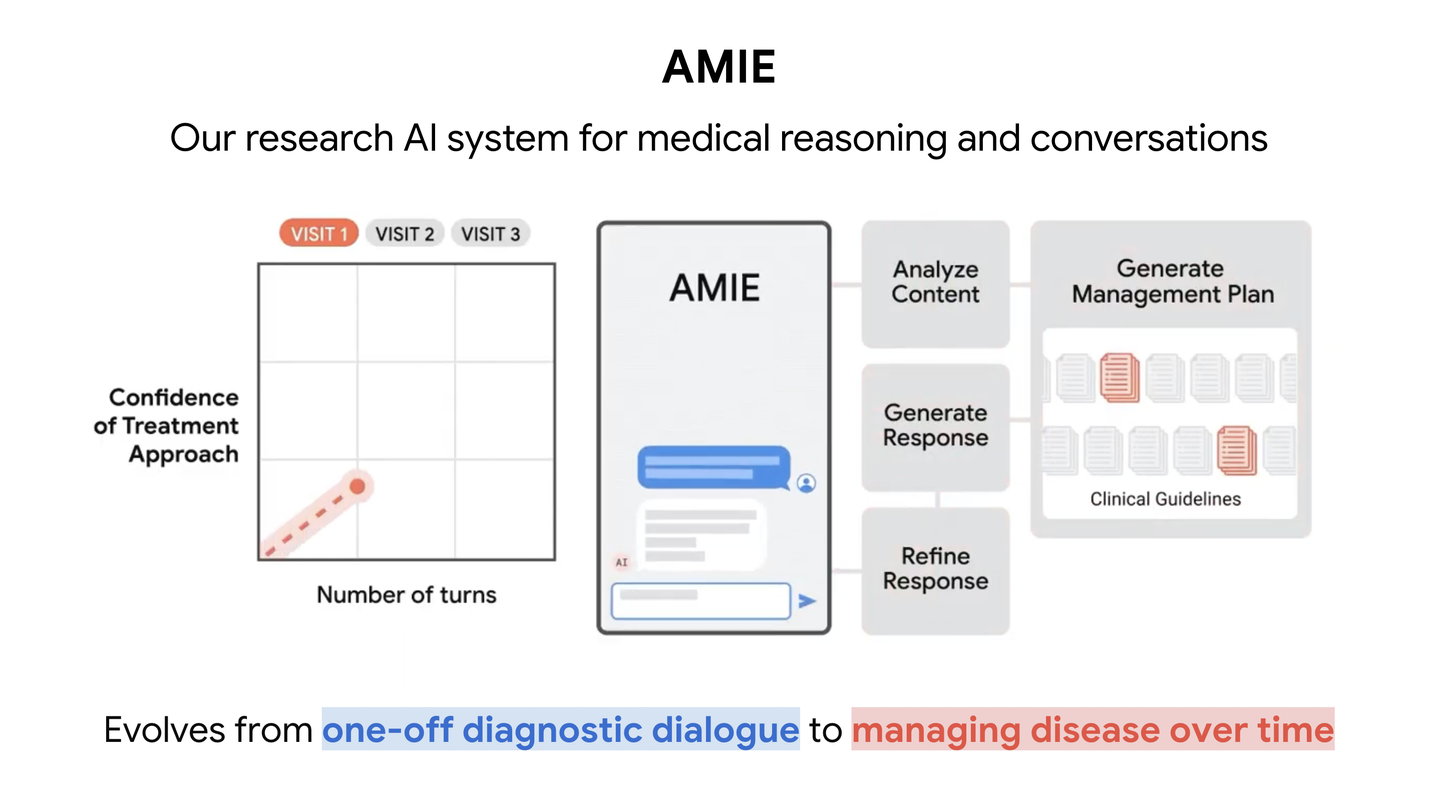
Research published today in Nature details the capabilities of the Articulate Medical Intelligence Explorer (AMIE), an AI research system designed for medical reasoning and conversation. Unlike previous AI tools that focused on single diagnostic encounters, AMIE was tested on sustained disease management using drug formularies and clinical guidelines. In a blinded study with patient actors, specialist physicians compared AMIE’s performance against 21 primary care doctors. The AI matched clinicians in overall management reasoning and scored significantly higher in plan preciseness and guideline alignment.
The system relies on the long-context capabilities of Gemini models to perform two distinct functions. An empathetic dialogue agent conducts real time conversations with patients, while a deep thinking management reasoning agent cross-references hundreds of pages of authoritative clinical knowledge. This dual approach allows AMIE to track symptoms across multiple appointments, parse updated treatment protocols, and fine tune medication recommendations as a patient’s condition evolves.
What This Means for Patient Care
The findings suggest that AI could someday support medical care by handling the administrative and analytical burden of disease management. This would give physicians more time to spend directly with patients, potentially improving the quality of care for people with chronic conditions such as diabetes, heart disease, or asthma. The study did not involve real patients, but the results indicate that AI can align with clinical standards while offering precise treatment plans.
Researchers are now exploring how AMIE could work in clinical settings. A nationwide study has been launched to assess the AI in real world virtual care environments. If successful, this technology could represent a significant step toward more efficient and personalized long term health management, helping both doctors and patients navigate the complexities of ongoing treatment.