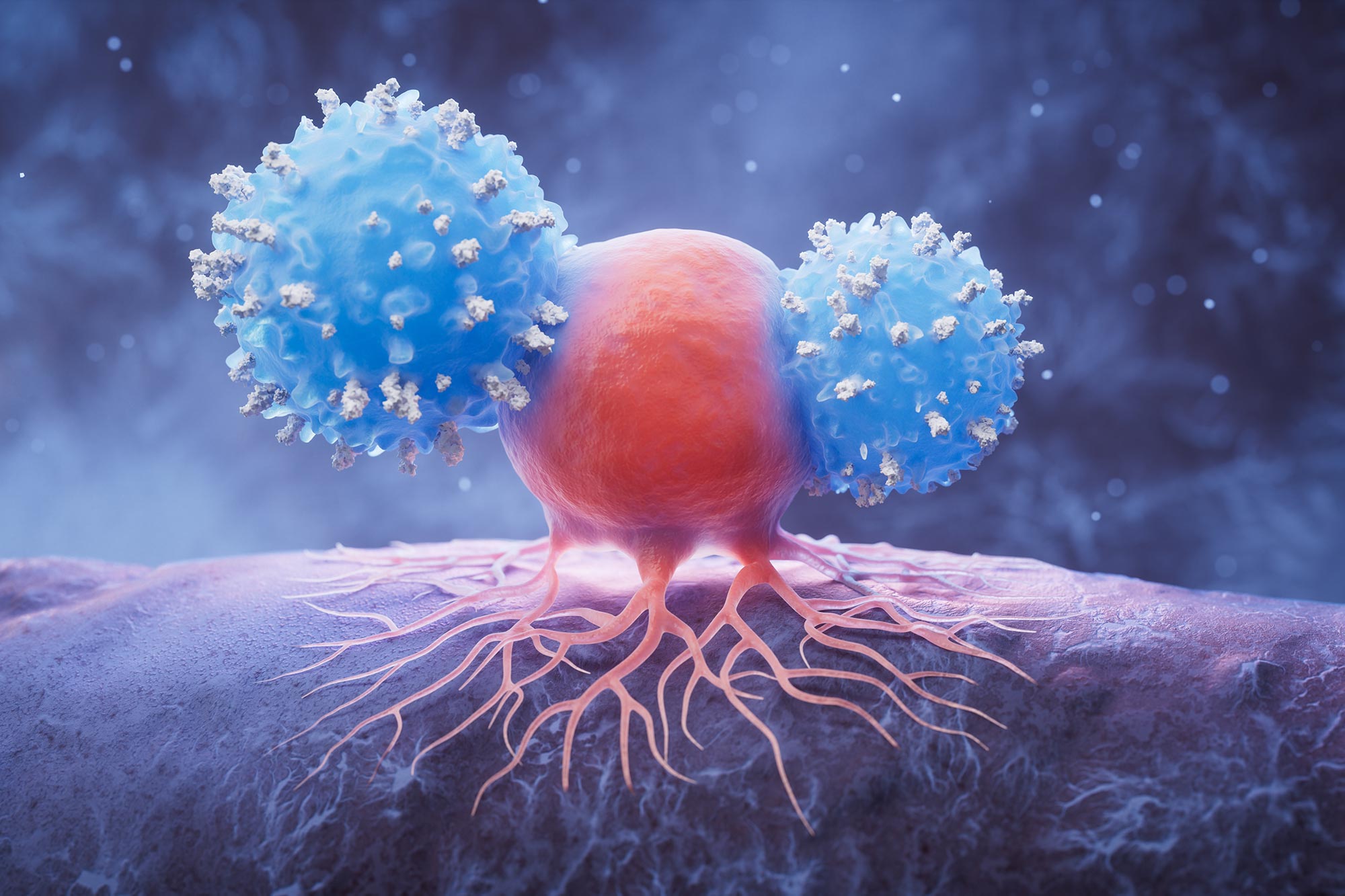
Hundreds of different genetic mutations that drive cancer and other diseases may converge on the same hidden control switches inside cells, according to a new study. Researchers have developed a platform called PerturbFate that tracks how disease-linked genetic changes reshape cells over time, revealing shared regulatory nodes that could be targeted with simpler, more unified therapies.
Scientists have long struggled with the complexity of diseases like cancer, where many different genetic errors can cause the same harmful outcome. Even when faulty genes are identified, their diversity makes it difficult to design treatments that work for all patients. The new study, published in Nature, offers a different approach. Instead of targeting each mutation individually, the team looked for common downstream pathways where multiple genetic disruptions converge.
The researchers tested PerturbFate on melanoma drug resistance. They selected 143 genes linked to resistance to the melanoma drug Vemurafenib and systematically turned them off in melanoma cells. By tracking changes in DNA accessibility and RNA production in more than 300,000 individual cells, the platform revealed that many different disruptions pushed cells into the same drug resistant state. When the team targeted the shared regulatory nodes behind this shift, drug resistance decreased significantly.
One key finding involved the Mediator Complex, a system that helps control gene activity. Disrupting different parts of this complex triggered drug resistance through separate mechanisms, but both paths converged on the same survival signal in melanoma cells, known as VEGFC. Blocking this signal stopped the resistant cells from growing, suggesting a new path for combination therapies.
The researchers have made the PerturbFate tools publicly available. They plan to expand the work beyond cultured cells into living systems, applying the approach to conditions such as aging and Alzheimer’s disease. The goal is to uncover common weaknesses that could lead to more effective therapies for complex diseases, offering a hopeful outlook for patients who currently face limited treatment options.