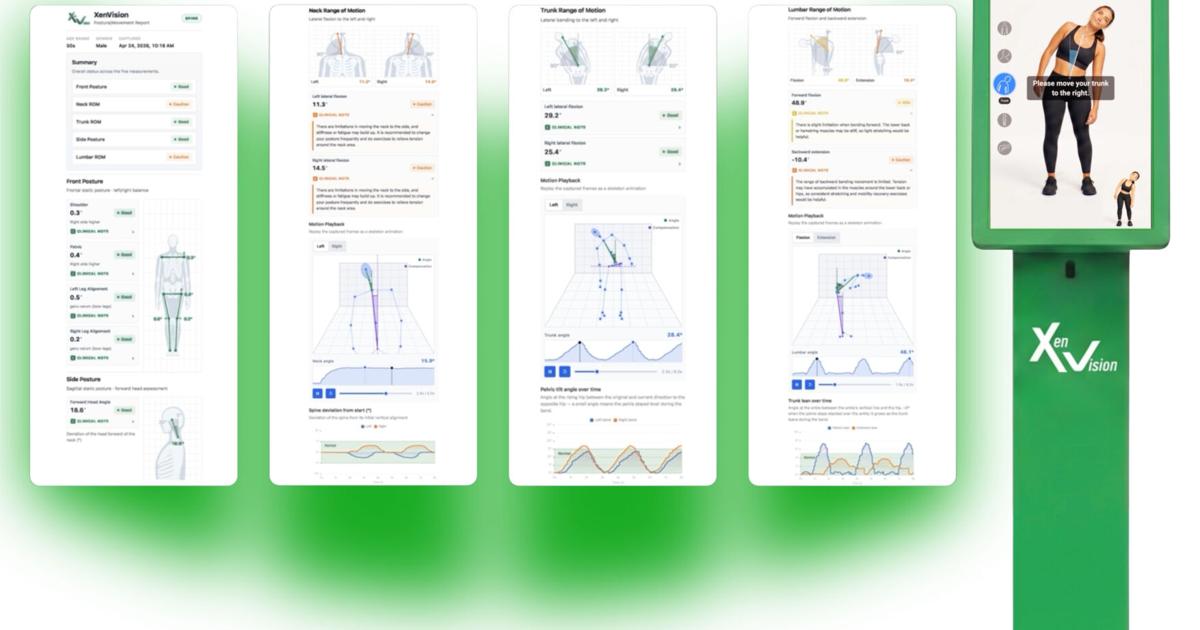
A new artificial intelligence platform can analyze a person’s posture and movement for signs of musculoskeletal disease in less than two minutes, offering a potential shift toward earlier, data-driven preventive care. The technology, called XenVision, was unveiled by medical technology company Xenco Medical at a major computer graphics conference, marking a rare convergence of advanced computer vision, biomechanics, and clinical AI in a single screening tool.
The system draws on a database of more than 700,000 real-world musculoskeletal assessment datasets, allowing it to recognize subtle deviations in posture and movement that often precede symptomatic disease. Unlike traditional assessments that rely on subjective observation or lengthy imaging procedures, XenVision produces clinically meaningful biomechanical analyses in under 120 seconds. The platform was engineered using a large-scale clinical corpus that enables it to detect patterns invisible to the naked eye, potentially catching problems like joint instability, gait abnormalities, or spinal misalignment before they cause pain or disability.
For patients, this could mean earlier intervention for conditions such as osteoarthritis, lower back pain, and repetitive strain injuries, which collectively affect hundreds of millions of people worldwide. The technology’s ability to deliver rapid, objective screenings may also reduce the need for costly imaging scans and specialist referrals in the initial stages of care. Xenco Medical designed the platform to be used in clinical settings, with the goal of integrating it into routine checkups or sports medicine evaluations.
What Happens Next
The company plans to pursue regulatory clearance and clinical validation studies in the coming months. Researchers will need to confirm that XenVision’s AI-driven assessments match or exceed the accuracy of current diagnostic methods. If successful, the platform could become a standard tool for primary care physicians, physical therapists, and sports trainers looking to identify musculoskeletal risks early. The developers are also exploring ways to make the system portable, which could extend its use to remote clinics and athletic fields. The convergence of AI and biomechanics at this speed offers a hopeful glimpse into a future where preventable musculoskeletal conditions are caught long before they limit mobility or quality of life.