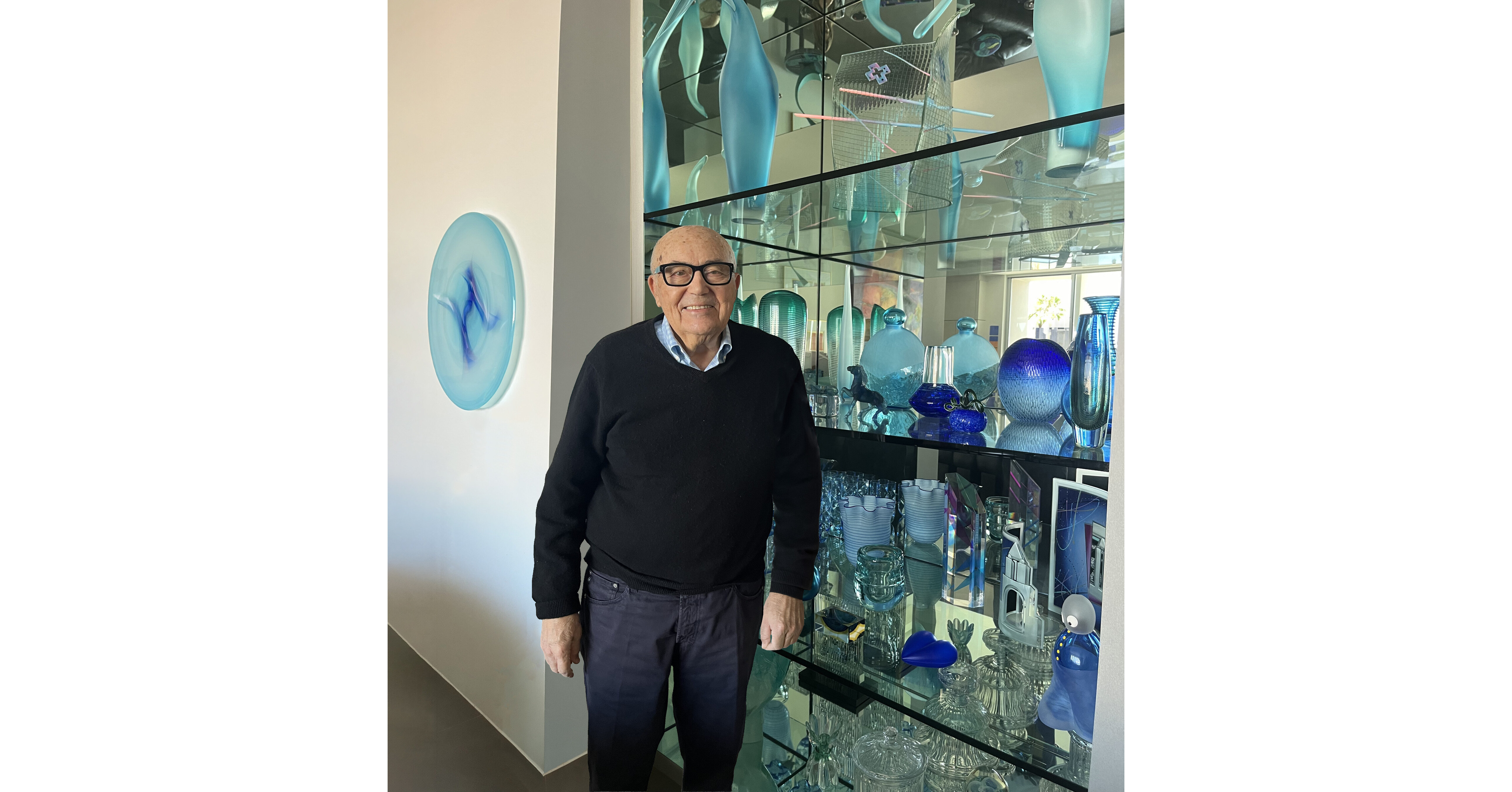
A transformative $5 million gift from Qualcomm co-founder Andrew Viterbi is set to accelerate the use of artificial intelligence in biomedical discovery, endowing a new distinguished chair at a leading California research institute. The donation, announced today, establishes the Andrew and Erna Viterbi Distinguished Chair in the Center for Data Science and Artificial Intelligence at Sanford Burnham Prebys Medical Discovery Institute, fueling efforts to decode complex biological data at unprecedented speed.
The center recently unveiled an advanced computational biology tool that automates and standardizes genome sequencing analysis. This innovation allows scientists to decipher the complete genomes of many patient samples, animal models or cultured cells in a single experiment, a process that was previously far more labor intensive. The endowed chair will be held by Dr. Yuk-Lap (Kevin) Yip, the center’s director and a globally recognized leader in computational biology. Dr. Yip’s work harnesses machine learning and advanced analytics to uncover hidden patterns in biological data, directly supporting progress in precision medicine and disease research.
Viterbi, who co-founded Qualcomm and invented the widely used Viterbi Algorithm for signal processing, expressed deep confidence in the institute’s leadership. “Biomedical research and collaboration generate momentum used to advance computing and artificial intelligence,” he said. “It’s my hope that this gift will enable the Center for Data Science and AI to empower leading minds to create the breakthroughs that will advance human health.” The institute’s president and CEO, Dr. David Brenner, called Viterbi a force pairing intellect with a commitment to human knowledge. “Together, we are unlocking the power of artificial intelligence to drive discoveries at a scale and speed once unimaginable,” Brenner said.
The gift strengthens an institute that already operates four disease-focused centers targeting cancer, cardiovascular and muscular diseases, neurologic disorders, and metabolic and liver conditions. By embedding AI expertise directly into this research ecosystem, the new chair is expected to speed the translation of raw genomic data into actionable insights for clinicians. The center’s focus on analyzing untapped data sets could help identify disease markers and treatment targets that might otherwise remain hidden.
Looking ahead, the endowed position will help attract and retain top scientific talent at the intersection of data science and human health. As the institute celebrates its 50th anniversary, leaders say the investment positions them to redefine how biology and disease are understood. With AI tools becoming more powerful each year, the hope is that this collaboration between philanthropy and technology will lead to breakthroughs that improve lives for generations to come.