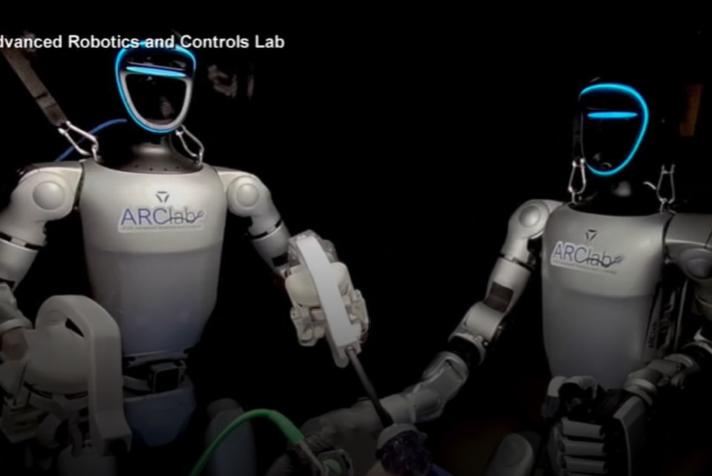
In a landmark achievement for telesurgery, humanoid robots have successfully performed surgical procedures without a single doctor present in the operating room. The operations, carried out remotely by skilled surgeons located miles away, mark the first time such complex medical tasks have been completed without any medical professional physically in the same space as the patient.
The breakthrough centers on the use of advanced humanoid robots that were teleoperated, meaning experienced surgeons controlled every precise movement of the robotic arms and instruments from a remote console. This setup allowed the surgeons to see high-definition video feeds and feel haptic feedback, giving them the sensation of being at the bedside. The remote surgery system demonstrated that the physical distance between doctor and patient need not compromise the quality or safety of the procedure.
For patients, this development could dramatically expand access to specialized surgical care. People living in rural areas, conflict zones, or regions lacking expert surgeons may soon receive life-saving operations without traveling hundreds of miles. The technology also reduces the risk of operating room infections and allows multiple expert surgeons to collaborate on a single case from different locations. While the robots themselves performed the physical work, the human surgeons remained in full control at all times, eliminating concerns about autonomous decision-making by machines.
What This Means for the Future of Surgery
The success of these procedures suggests that telerobotic surgery is moving from experimental concept to practical reality. The next steps involve expanding the types of surgeries that can be performed this way and refining the technology to work over longer distances with minimal lag. Researchers are also exploring how to make the systems more affordable for hospitals worldwide.
The outlook is hopeful: within the next decade, a patient in a remote clinic could receive the same quality of surgical care as someone in a top urban hospital, guided by the hands of a world-class surgeon from across the country or even across an ocean. This milestone brings that vision significantly closer to everyday medical practice.