The First Vaccine
The story of modern medicine's power arguably begins in a dairy barn. In 1796, Edward Jenner observed that milkmaids who had caught cowpox seemed immune to the far deadlier smallpox. His idea to stimulate the immune system with a safer germ led to the world's first successful vaccine. Smallpox was once a global scourge, claiming hundreds of millions of lives in the 19th century alone. Today, it stands as the only human disease to have been completely eradicated by vaccination. The last known death from smallpox was in 1978, a testament to a breakthrough that continues to protect every person on the planet.
The Birth of Epidemiology
Sometimes, a medical breakthrough isn't a new drug, but a new way of thinking. In 1850s London, physician John Snow challenged the belief that cholera was spread by "bad air." By meticulously mapping cases, he traced a devastating outbreak to a single contaminated water pump. This work founded the field of epidemiology, the science of tracking disease patterns in populations. Today, epidemiologists use these same principles to uncover the genetic, environmental, and lifestyle factors behind diseases like cancer, guiding prevention strategies and saving countless lives.
Anesthesia
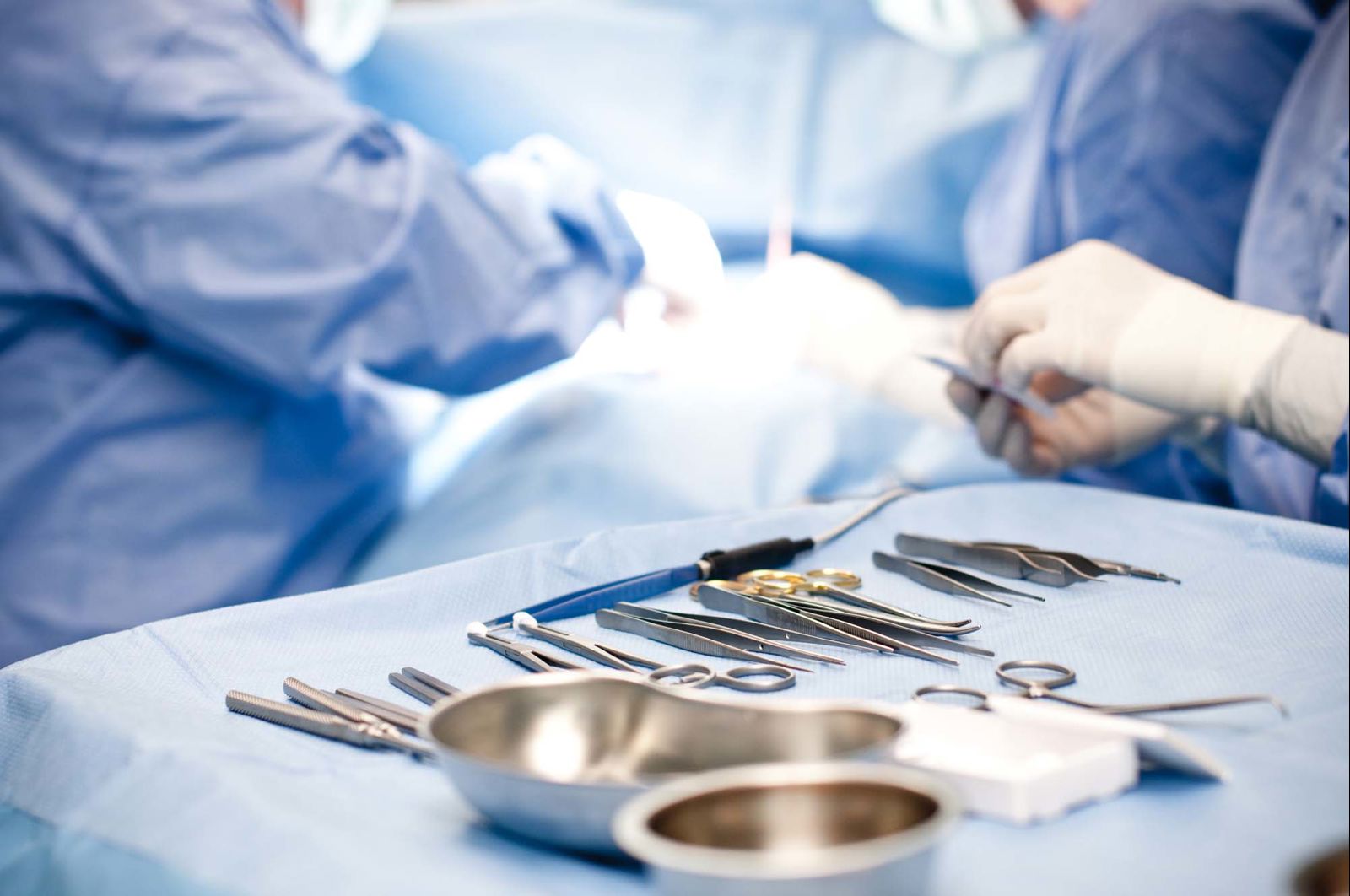
Imagine a world where even a simple operation was an excruciating, life-threatening ordeal. Before 1846, that was reality. The first surgery using anaesthesia, performed to remove a neck tumor, changed everything, allowing longer and more complex procedures that were previously unthinkable.
Antiseptics
Joseph Lister applied germ theory to surgery, introducing antiseptic principles to prevent post-operative infection. This transformed surgery from a procedure where patients routinely died from wound infections into a reliably safe intervention, saving countless lives.
The Discovery of Insulin
Before 1922, a diagnosis of Type 1 diabetes was a death sentence, particularly for children who lived only about 1.5 years on average. The discovery of insulin at the University of Toronto changed that trajectory almost overnight. This treatment addressed the fundamental molecular problem of the disease. Today, thanks to insulin and ongoing management, people with Type 1 diabetes can expect to live full, normal lives. This breakthrough stands as a powerful example of how understanding a disease's mechanism can lead to a treatment that restores life itself.
3D Bioprinting and Gene Therapy
Today's labs are forging tomorrow's cures with technologies that sound like science fiction. 3D bioprinting, for instance, is already being used to create tissues for research. Scientists are working toward printing whole organs, which could revolutionize transplants and drug testing. Similarly, gene therapy, first successfully used in 1990 to treat a severe immune disorder, is now a reality. It is used by health services to treat certain forms of blindness and holds immense promise for conditions from cystic fibrosis to cancer, by correcting genetic errors or supercharging the immune system to fight disease at its source.
The Power of Interconnected Discovery
From Jenner's barn to today's bioprinters, each breakthrough builds on the fundamental knowledge of the last. The germ theory that revolutionized surgery also guides our response to pandemics. The epidemiological maps John Snow made inform global health priorities. This interconnected journey of discovery is what propels medicine forward. Every fundamental insight gained while fighting one disease, like cancer, opens new doors for treating many others, creating an ever accelerating cycle of innovation that offers hope and healing for all.