For the first time in the long and difficult history of Huntington's disease, a treatment has demonstrated the unprecedented ability to slow the relentless progression of the condition. This breakthrough offers a profound new sense of hope for patients and families facing this rare, inherited neurodegenerative disorder, which has historically been considered untreatable. The news centers on a novel therapy called AMT-130, which in a small clinical trial has shown remarkable potential to alter the disease's course rather than merely manage its symptoms.
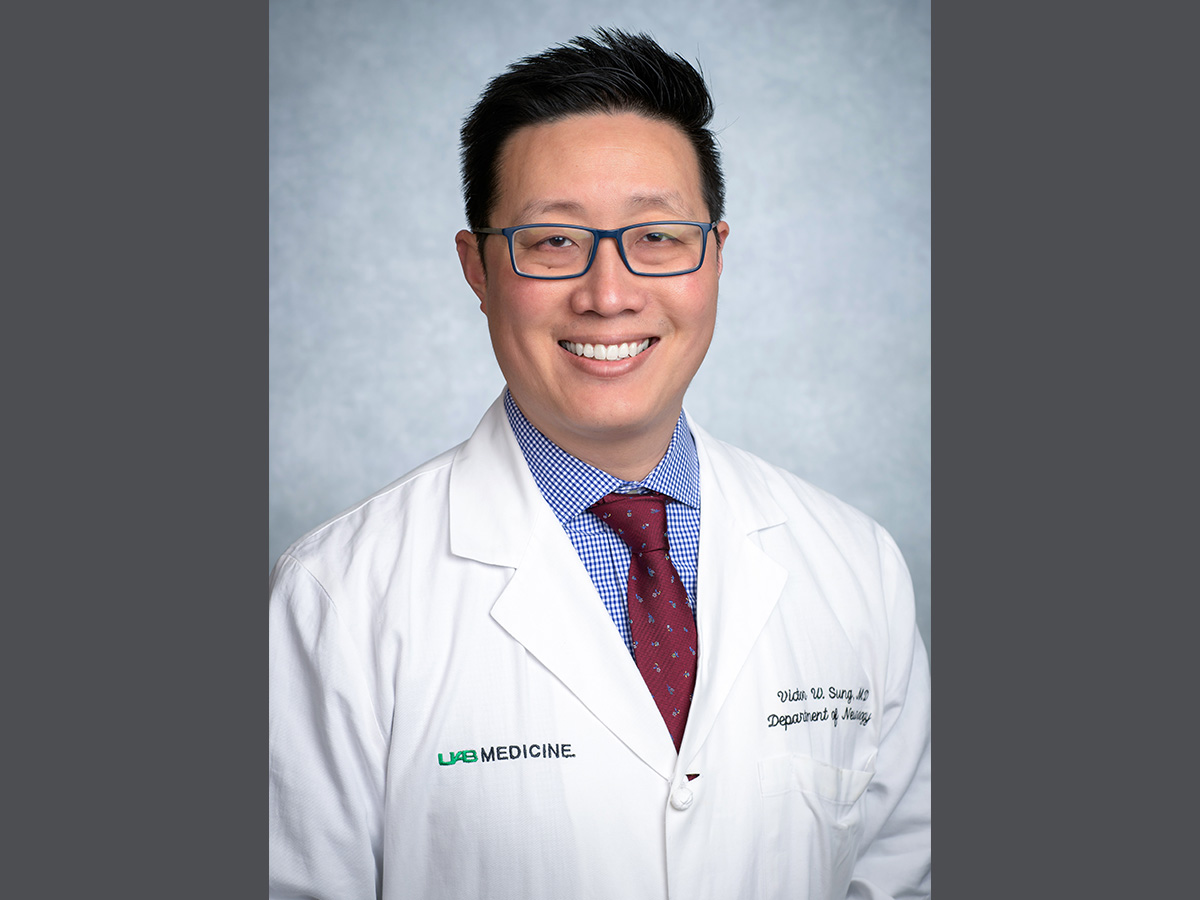
The treatment represents a sophisticated genetic approach. It works by targeting the root cause of Huntington's, the production of a toxic protein that damages the brain. AMT-130 halts this process by silencing the specific messenger RNA responsible for carrying the faulty instructions, effectively preventing the harmful protein from forming. Crucially, this intervention does not alter a person's underlying DNA, a key safety distinction that sets it apart from other genetic therapies. As Dr. Victor Sung, a leading neurologist involved in the trial, explains, the quest to slow or stop Huntington's began over three decades ago with the sequencing of the responsible gene. These preliminary results, he notes, are finally a huge step in that direction.
In the trial, 29 participants in the early stages of Huntington's received the treatment via a single surgical procedure. After three years, the data revealed a stunning outcome. Patients who received the higher dose of AMT-130 experienced a 75 percent slower rate of disease progression compared to those who did not receive the treatment. This slowing was reflected in their better preservation of movement, cognitive abilities, and capacity for daily functioning, all without significant side effects. While the surgical delivery is invasive, the therapy is designed as a one time intervention with effects intended to last a lifetime, potentially eliminating the need for daily medications.
The path forward, while bright, involves necessary steps. The therapy's developer is now seeking accelerated approval from the FDA, a process that could lead to the first ever disease modifying treatment for Huntington's. Dr. Sung cautions that these exciting results come from a small number of patients, but emphasizes that the magnitude of the slowing is a very real reason for optimism. He also points to the immense bravery of the trial participants, many of whom were his own patients, who underwent brain surgery for an experimental therapy. Their courage, he reflects, could forge a powerful legacy, paving the way for a future where Huntington's disease is no longer an unstoppable force.