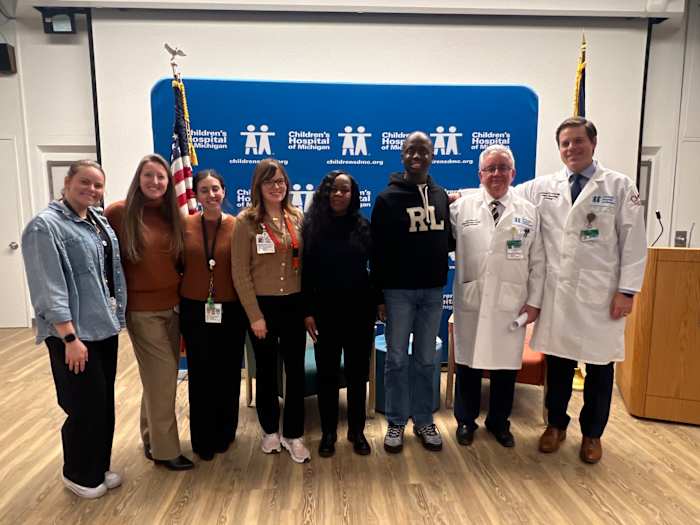
For Chantez Sanford Jr., a 24-year-old animation student from Southfield, a future free from the relentless grip of sickle cell disease is now within reach. He has become the first patient in Michigan to receive a groundbreaking gene therapy, a moment that marks not just a personal milestone but a leap forward for medical science in the state. This treatment, known as Lyfgenia, offers the potential for a cure, a word that resonates deeply for Sanford and his family after a lifetime of managing the inherited condition. His journey, from monthly blood transfusions that began at age eight to this pioneering procedure at Children’s Hospital of Michigan, illustrates the tangible hope emerging from years of research.
Living with sickle cell disease meant Sanford's life was punctuated by hospital visits, high fevers, and painful episodes as misshapen red blood cells blocked flow and caused damage. His mother, Tamara Sanford, noted the disease even affected his growth and development. While a bone marrow transplant can be curative, a match was not found within his family. For years, they managed the symptoms, until whispers of a new FDA-approved therapy turned into a real opportunity. "I did have a pretty regular childhood, despite the sickle cell," Sanford reflected on his resilience, yet the prospect of a definitive solution was transformative.
The therapy represents a marvel of modern medicine. Approved by the FDA in late 2023, Lyfgenia works by collecting a patient's own blood stem cells and using a modified virus to add a functional gene that instructs the body to produce healthy, fetal hemoglobin. These corrected cells are then reinfused, with the goal of creating a lasting supply of healthy red blood cells. After his cells were collected in the summer of 2025, Sanford received his infusion on December 2, embarking on a new chapter. Doctors now monitor his progress through blood tests, watching for sustained improvements in hemoglobin levels and a reduction in the disease's devastating complications.
Already, Sanford reports profound changes in his daily well-being. "I feel more regular," he said, describing a surge in energy and noting visible improvements from the color of his urine to the whites of his eyes, his skin, and his hair. This early feedback is exactly what his care team hoped to see. Dr. Süreyya Savaşan, medical director of the Transplantation and Cell Therapy Program at Children’s Hospital of Michigan, shared in the optimism. "This is a very good outcome," Savaşan said. "We are very excited about Chantez and the opportunity for other sickle cell disease patients to be free of ongoing transfusions and awful side effects from this heinous disease."
The hospital's program is already moving forward, with stem cell collection underway for a second patient slated to receive the same therapy. This progression from a first-in-state treatment to building a pipeline for others underscores a rapidly expanding frontier in care. For families across Michigan who have known only the challenges of sickle cell disease, the story of Chantez Sanford Jr. is more than a medical bulletin. It is a beacon of possibility, a signal that the confusing feeling of frequent hospital stays may one day be replaced by the simple, profound rhythm of a regular life.