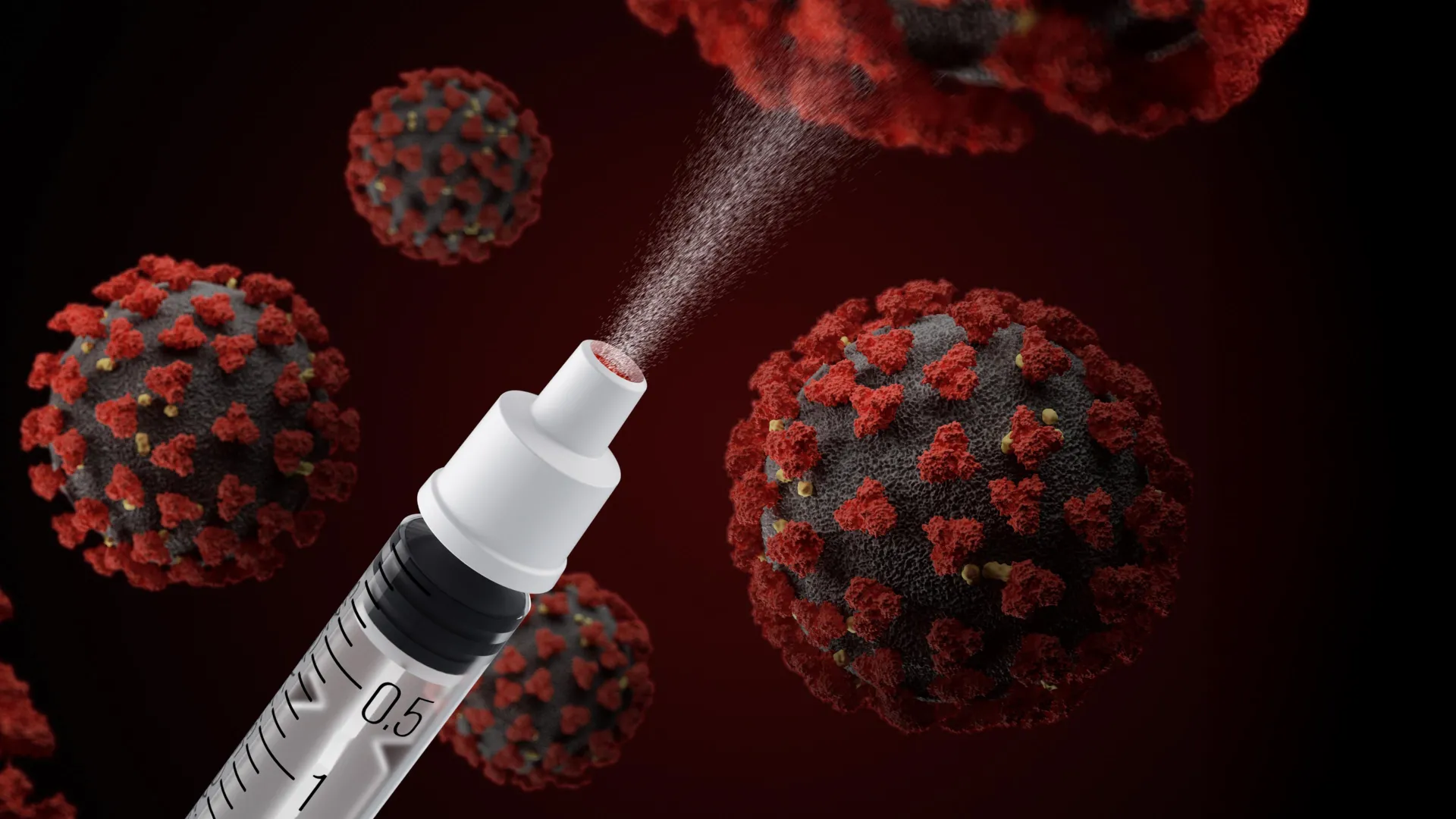
For generations, the dream of a single vaccine capable of shielding against a vast array of respiratory threats has lingered at the frontier of medical science, often feeling more like a hopeful myth than an attainable goal. That landscape of possibility is now shifting dramatically, thanks to groundbreaking work from researchers at Stanford Medicine and their collaborators. In a landmark study, scientists have developed an experimental universal vaccine administered as a nasal spray that, in mice, provided months of broad protection against a startlingly diverse set of challenges. This single intranasal formulation successfully defended the lungs from viruses like SARS-CoV-2, dangerous bacteria commonly acquired in hospitals, and even allergens such as house dust mites. According to senior author Bali Pulendran, the level of protection observed across such unrelated threats was a thrilling and unexpected leap forward, suggesting a future where one simple spray could potentially replace numerous yearly shots and offer a rapid defense against emerging pandemic viruses.
The revolutionary potential of this approach lies in its fundamental departure from over two centuries of vaccine strategy. Since the days of Edward Jenner, vaccines have traditionally worked by presenting the immune system with a specific, recognizable piece of a pathogen, training the body to attack that particular invader later. The problem, as seen with rapidly mutating viruses like influenza and coronavirus, is that when those surface features change, the vaccine's effectiveness can wane. While others have sought broader vaccines targeting entire viral families, the idea of one formulation working against completely unrelated pathogens, from bacteria to allergens, was considered by many to be unrealistic. "We were interested in this idea because it sounded a bit outrageous," Pulendran admitted. "I think nobody was seriously entertaining that something like this could ever be possible."
Instead of mimicking a part of a germ, this innovative vaccine cleverly replicates the natural communication signals that immune cells use during an infection. It strategically links the body's two main defense systems, the rapid but short-lived innate immune response and the slower, pathogen-specific adaptive immune response, into a sustained and coordinated alliance. The key breakthrough came from understanding how certain vaccines, like the tuberculosis vaccine, sometimes provide mysterious, long-lasting cross-protection against other diseases. Pulendran's team previously discovered that T cells from the adaptive response could send signals to keep innate immune cells in the lungs activated for months, not just days. This persistent state of high alert, they theorized, could be the foundation for a universal shield. "Fast forward two and a half years," Pulendran said, "and we've shown that exactly what we had speculated is feasible in mice."
In the study, mice received the synthetic vaccine, which includes signals to stimulate innate cells and a harmless antigen to recruit T cells to the lungs, as droplets in their noses. The results were striking. Vaccinated animals exposed to SARS-CoV-2 lost minimal weight, all survived, and their lungs showed little virus and inflammation, while unvaccinated mice became severely ill or died. The protection lasted at least three months and created what Pulendran described as a "double whammy" defense. The heightened innate response reduced viral levels dramatically, and any virus that slipped through faced an adaptive counterattack launched in a remarkably swift three days, compared to the usual two weeks. This robust defense also proved effective against bacterial lung infections and significantly dampened allergic asthma responses to dust mites, underscoring its wide-ranging utility.
The path forward now moves from mice to human trials, with a Phase I safety study as the critical next step. Researchers are optimistic that a simple two-dose nasal spray regimen could be sufficient for people. If successful in subsequent larger trials, this universal respiratory vaccine could herald a new era in preventive medicine. It promises not only to simplify our defense against seasonal illnesses but also to establish a powerful, ready-made barrier in our lungs, potentially saving countless lives from future pandemics, hospital-acquired infections, and chronic allergic suffering. After centuries of chasing a myth, science is now breathing tangible, hopeful life into the vision of a truly universal protector.