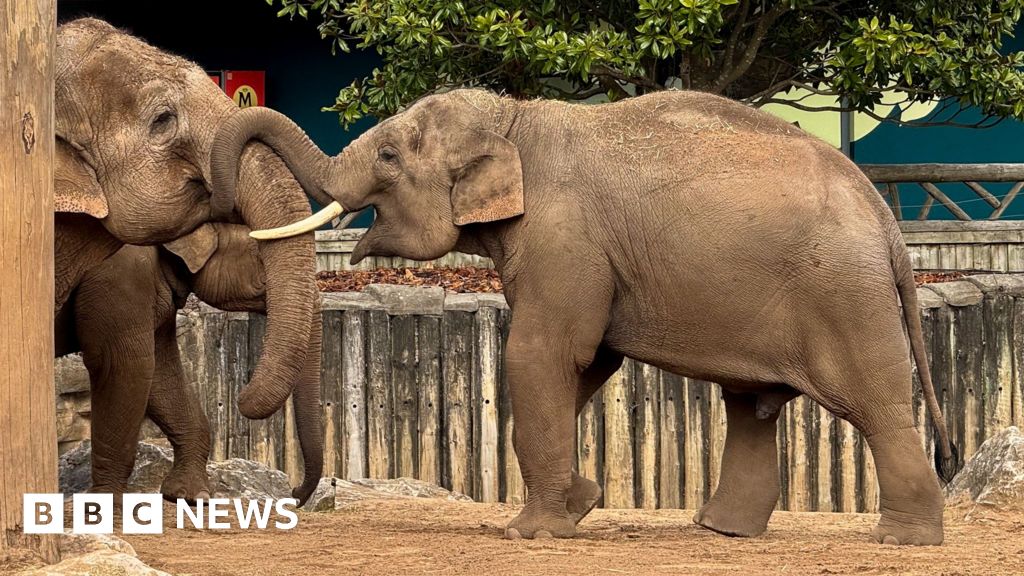
In a development bringing renewed hope to conservationists and elephant caregivers worldwide, scientists have achieved a critical breakthrough in the fight against a devastating and often fatal virus targeting young Asian elephants. An international research team has successfully trialed a novel vaccine designed to prevent the severe disease caused by elephant endotheliotropic herpesvirus, known as EEHV. This virus stands as a leading cause of death for juvenile elephants, both in managed care and in the wild. The promising results from initial safety trials, conducted with adult elephants at Chester Zoo, mark what lead researcher Prof Falko Steinbach calls a landmark moment in the mission to protect these endangered giants.
The threat posed by EEHV is both swift and severe, casting a shadow over breeding programs and wild herds alike. The virus triggers a haemorrhagic disease, leading to uncontrolled bleeding that can prove fatal within a single day. More than 80% of clinical cases in young elephants result in death, a statistic starkly illustrated by the loss of seven calves at Chester Zoo alone over the past ten years. While many adult elephants carry the virus without apparent illness, calves become particularly vulnerable during weaning as the protective antibodies from their mother’s milk decline. At this delicate stage, their developing immune systems can be overwhelmed. Dr Katie Edwards, lead conservation scientist at Chester Zoo, notes that while the full toll in the wild is unknown, EEHV has been documented in wild herds and has caused over one hundred deaths of elephants in human care in zoos and sanctuaries.
Faced with this urgent challenge, the research team, spearheaded by veterinary scientists from the University of Surrey and the UK’s Animal and Plant Health Agency, devised an innovative strategy. They built the new vaccine using a reliable and familiar scaffold, the same basic structure as a vaccine routinely used to immunize elephants against cowpox. Into this proven framework, scientists carefully inserted specific, non-infectious proteins from EEHV. The goal was to train an elephant’s immune system to recognize and mount a defense against these viral components without risking infection. The world-first trial of this candidate vaccine involved three healthy adult elephants at Chester Zoo, with subsequent blood analysis providing the crucial results.
Those results, recently published, have ignited optimism within the scientific community. Prof Steinbach revealed that the vaccine’s performance was better than hoped, demonstrating clearly that it stimulated the production of vital T cells, a key component of the immune system’s arsenal for fighting viral infections. This proof of concept, showing the vaccine is safe and can provoke a relevant immune response in adults, is the essential first step. The path forward now focuses on adapting this success for the most at-risk group. Researchers aim to test the vaccine in younger elephants and to refine the administration protocol, which currently requires four injections, into a simpler regimen that could be more easily deployed where it is needed most.
This breakthrough represents more than a potential shield for a single species against a specific virus. It stands as a powerful demonstration that targeted vaccine science can be effectively harnessed for wildlife conservation. As Prof Steinbach reflects, the work signifies a significant step forward, not only for elephants but for showing that vaccines can be deliberately designed and applied to help protect other endangered species. For the dedicated teams working to ensure a future for Asian elephants, each cautious advance brings the prospect of calves growing up protected from a once untreatable threat, turning a story of loss into one of resilience and hope.