The US Food and Drug Administration has granted accelerated approval to a groundbreaking new drug for Hunter syndrome, a rare and fatal genetic disorder. The therapy, Avlayah (denali therapeutics), is the first treatment in two decades for the condition and the first ever designed to cross the blood-brain barrier to address the disease's devastating cognitive decline.
Hunter syndrome, or mucopolysaccharidosis type II, prevents the body from breaking down certain molecules, leading to a toxic buildup that progressively damages organs and, in its severe form, the brain. It affects about 500 people in the U.S., primarily boys, with severe cases often proving fatal before age 21. Existing treatments can only slow physical symptoms, leaving families to watch as children lose cognitive function and developmental skills.
Avlayah is an intravenous enzyme replacement therapy that delivers the needed enzyme directly to the brain. In a clinical trial, the drug showed a dramatic reduction in disease biomarkers in cerebrospinal fluid. After 24 weeks, 93% of pediatric participants had biomarker levels comparable to individuals without Hunter syndrome. While it cannot reverse existing damage, experts believe early treatment could prevent neurological symptoms and significantly extend lives. "If we take a child, very young, and can treat them prior to damage, now the potential is almost unlimited," said Dr. Joseph Muenzer of the University of North Carolina, a principal investigator for the trial.
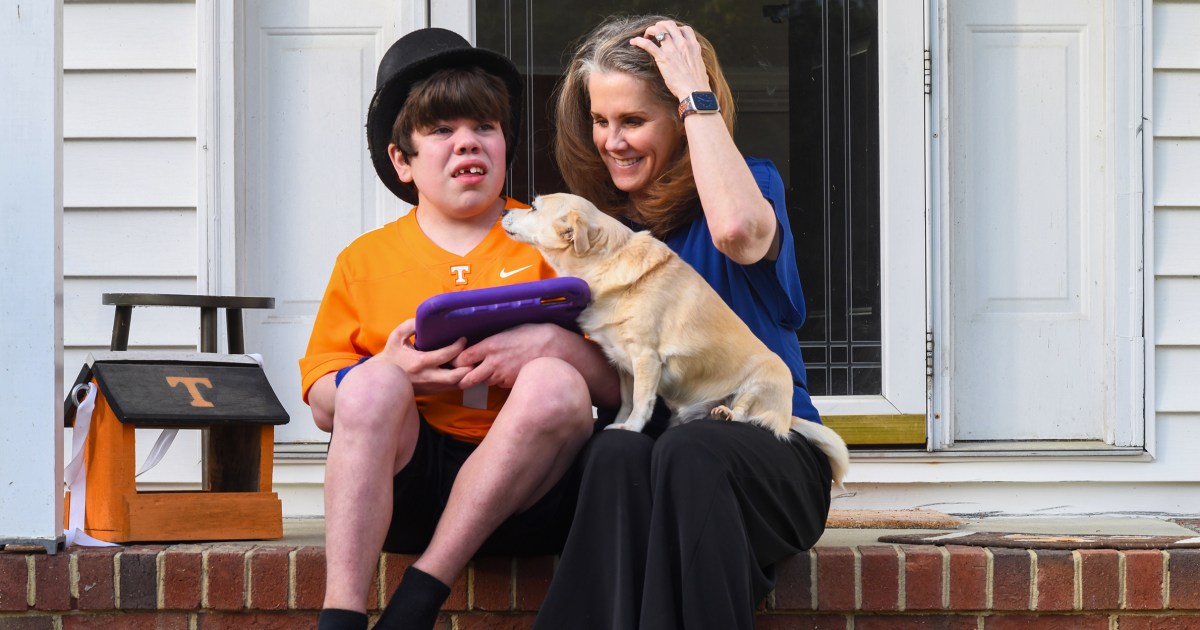
For families, the approval represents a long-awaited hope. Kim Stephens, whose 15-year-old son Cole has the disease, described a shift from constant fight-or-flight mode to being able to breathe. The approval also follows recent FDA rejections of other rare disease treatments, making this decision a particularly poignant milestone for the community. FDA Commissioner Dr. Marty Makary called it a "milestone day for children and their families battling Hunter syndrome."
The focus now turns to access and the future. Denali Therapeutics has priced Avlayah at $5,200 per 150-milligram vial and stated that ensuring quick access for families is a top priority. The company is also seeking to expand clinical evidence for young adults and aims to apply its blood-brain barrier technology to other neurodegenerative diseases. With more states adding Hunter syndrome to newborn screenings, the prospect of early diagnosis and intervention offers a transformative outlook for the next generation of children, aiming to change a once-inevitable trajectory into one of possibility.