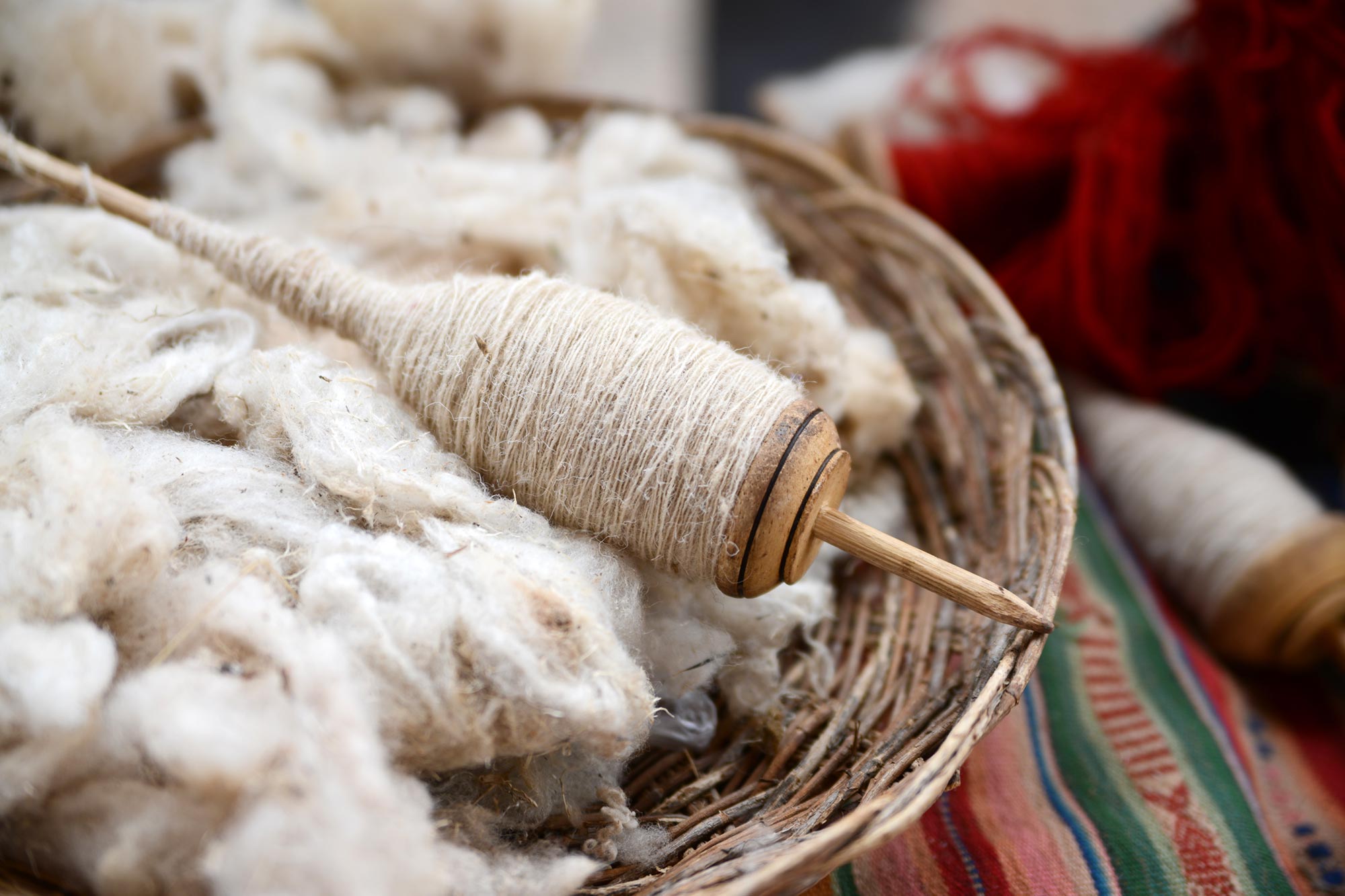
Scientists have successfully used a protein derived from sheep’s wool to regenerate bone tissue in living animals, opening the door to a sustainable new option for repairing fractures and dental defects. The material, made from keratin, produced bone that was more organized and structurally stable than the current standard treatment.
Researchers at King’s College London tested membranes made from wool-derived keratin in rats with skull defects that would not heal on their own. Over several weeks, the scaffolds guided new bone growth across the damaged areas. While collagen membranes generated a greater amount of bone overall, the keratin scaffolds produced bone with better aligned fibers that more closely resembled healthy natural tissue. The keratin also stayed stable throughout healing and blended well with surrounding tissue, qualities that researchers say are critical for real-world medical use.
Keratin is a structural protein found in wool, hair, and nails. For this study, the team extracted keratin from wool, which is often discarded as waste by the farming industry, and chemically treated it to create durable scaffolds. “We are really excited to show for the first time how a wool-based material has been successfully tested in a living animal to repair bones,” said Dr. Sherif Elsharkawy of King’s Faculty of Dentistry, Oral & Craniofacial Sciences. Collagen, currently the standard material in regenerative medicine, has drawbacks including weakness, rapid degradation, and high extraction costs. The researchers say keratin offers a renewable and scalable alternative.
What This Means for Patients
The findings, published after lab tests on human bone cells and animal models, position keratin as a potential new class of regenerative biomaterial. “It positions keratin as a potential new class of regenerative biomaterial that could challenge the long-standing reliance on collagen,” Elsharkawy said. “We’ve effectively demonstrated the technology in an animal model, which makes this much more than an early materials concept. It shows that keratin can support bone regeneration in a living biological system, bringing the technology significantly closer to use in real patients.”
The next step will be further testing to confirm safety and effectiveness in larger animals and eventually in humans. If successful, wool-based membranes could offer a low-cost, environmentally friendly option for dental implants, fracture repair, and other bone regeneration procedures. For now, the research marks a promising shift toward materials that are both kinder to the planet and potentially better for patients.