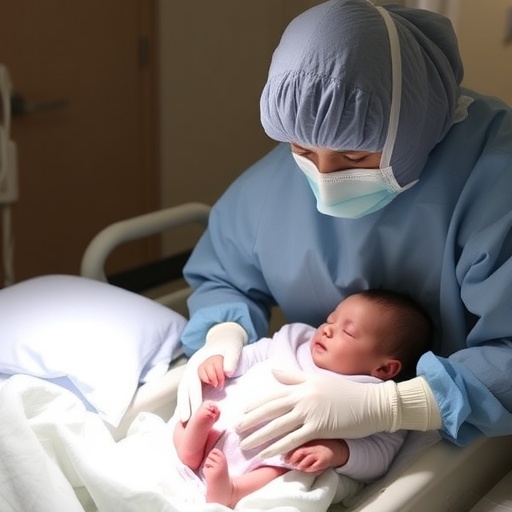
A landmark clinical study has shown that uterus transplantation can successfully lead to live births in women with absolute uterine factor infertility, a condition that was previously considered untreatable. The research, conducted at a single specialized center, offers new hope to women born without a uterus or those who have lost it due to surgery or disease. For these patients, the procedure represents the first realistic path to carrying their own pregnancy.
The study focused on women with absolute uterine factor infertility (AUFI), a condition that affects an estimated one in 500 women of reproductive age. Traditionally, the only options for these women have been surrogacy or adoption. The findings showed that with careful surgical technique and comprehensive follow up care, a transplanted uterus can support a pregnancy all the way to a successful live birth. This outcome is considered the definitive proof that the grafted organ is functioning properly and that the body can sustain a pregnancy.
The procedure involves transplanting a uterus from either a living or deceased donor into the recipient’s pelvis. Surgeons must connect tiny blood vessels to ensure proper blood flow to the new organ, a step that requires extreme precision. After recovery, recipients undergo in vitro fertilization (IVF) using their own eggs that were harvested before the transplant. The pregnancy itself requires close monitoring by a team that includes transplant surgeons, reproductive endocrinologists, and maternal fetal specialists. This multidisciplinary approach is critical to managing both the pregnancy and the immunosuppressive drugs needed to prevent organ rejection.
Beyond the technical achievement, the study highlights the profound emotional impact of restoring the ability to experience pregnancy. For many women, carrying a child is deeply tied to identity and personal fulfillment. The researchers emphasize that the field is still young and that long term studies are needed to track the health of both mothers and children. However, the results so far suggest that uterus transplantation is moving from an experimental procedure toward a standard treatment option.
Looking ahead, the medical community is focused on improving safety and access. Researchers are exploring minimally invasive surgical techniques and better ways to manage immunosuppression. They are also developing guidelines to help patients and doctors make informed decisions. With continued collaboration among transplant centers worldwide, uterus transplantation could one day become a routine option for women facing infertility due to uterine causes. The study marks a hopeful step forward, offering the possibility of biological motherhood to many who thought it was out of reach.