A major public-private investment is poised to transform Utah into a hub for artificial intelligence-driven health research, with a new supercomputer and enhanced genetic database aiming to unlock the secrets of cancer and other diseases.
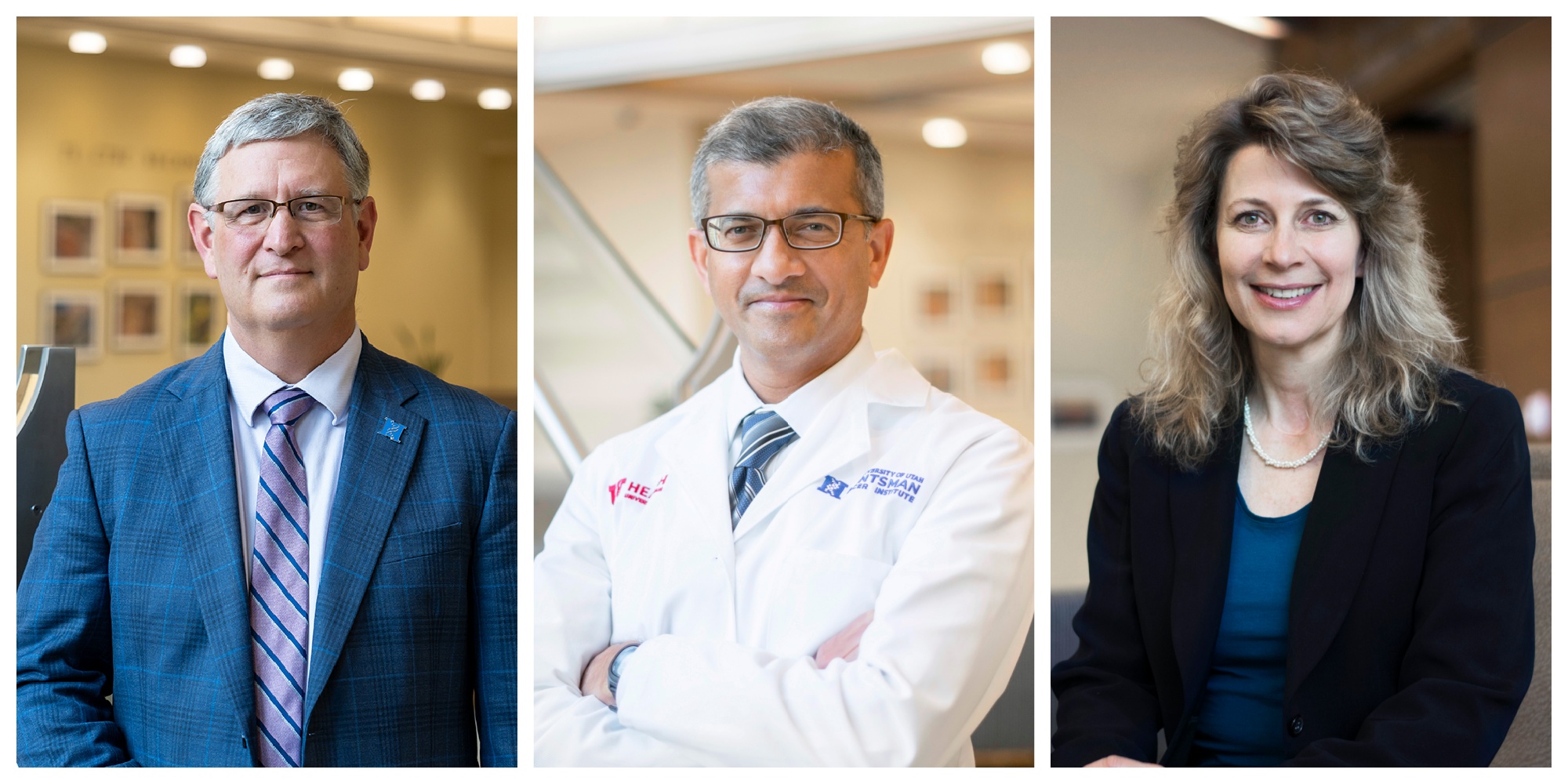
A proposed $50 million partnership, including a $10 million donation from the Huntsman family, will fund an AI "supercomputer" system at the University of Utah. This resource will dramatically expand computing power and storage for researchers across the state. Bradley Cairns, PhD, CEO of the Huntsman Cancer Institute, states the project will help make great strides in areas including mental health, Alzheimer's disease, and certainly in cancer. The system will be accessible to scientists at the institute's locations in Salt Lake City and its future comprehensive center in Vineyard, as well as other Utah universities.
Concurrently, Cairns is leading an effort to integrate AI into the Utah Population Database (UPDB), one of the world's richest sources of genetic and public health data. This database was instrumental in identifying the breast cancer genes BRCA1 and BRCA2. AI analysis will allow researchers to use these vast datasets more fully, making novel connections between genes, environment, and disease. A key focus will be identifying rare genes that confer resistance to cancer. "Once we identify those health-preserving genes and mutations, we then can develop therapeutics," Cairns explains.
Clinical Advances in Surgery and Targeted Treatment
Alongside AI, Huntsman Cancer Institute is deploying new clinical technologies. In 2025, it became the first academic hospital in the Western U.S. to fully transition to the da Vinci 5 robotic surgical systems, enhancing precision in minimally invasive surgeries. The institute is also investing in theranostics, a targeted treatment that uses radioactive drugs to find and destroy cancer cells. Infrastructure is being updated to provide this cutting-edge care.
To ensure these innovations reach all patients, the institute is focusing on reducing geographic barriers. It serves a vast five-state region, where 30% of patients travel over 150 miles for care. Initiatives include decentralized clinical trials and an ARPA-H-funded project testing electric vehicles to deliver care in remote Utah communities. "We're building a future where innovation strengthens the human connection at the center of quality care," says chief clinical officer Sachin Apte, MD.
With the AI supercomputer and enhanced database expected to come online in the near future, researchers anticipate a new wave of discoveries. The integration of massive computing power with deep genetic information holds the promise of identifying new disease targets and paving the way for more personalized, effective treatments for patients everywhere.