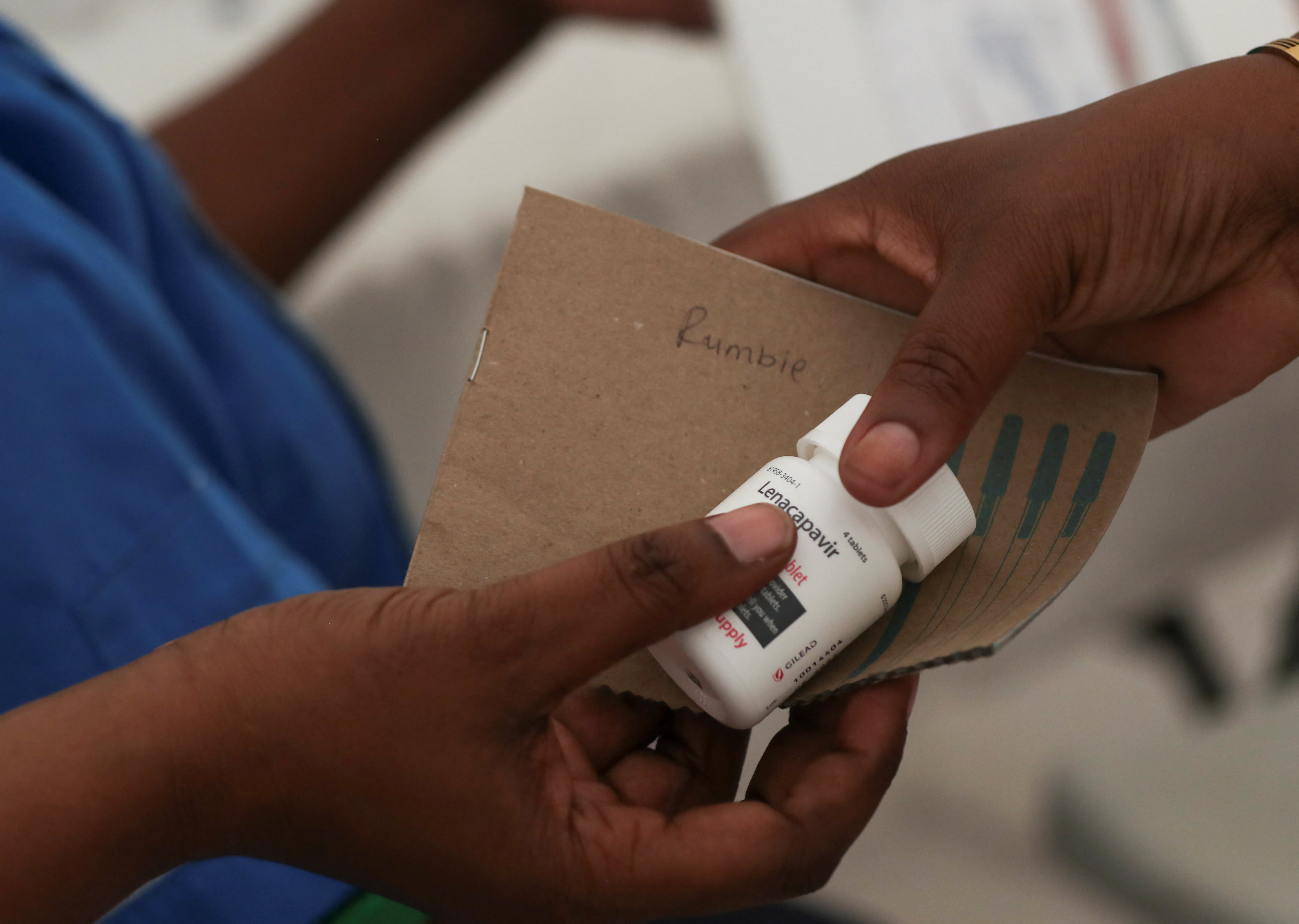
A groundbreaking twice-yearly injection that prevents nearly all new HIV infections is underscoring the critical role of federal research funding, just as proposed budget cuts threaten to slow future medical breakthroughs. Lenacapavir, which Science Magazine named the 2024 Breakthrough of the Year, showed 100% and 99% efficacy in preventing HIV in two major clinical trials, and the Food and Drug Administration approved it in June 2025.
The drug's journey began nearly three decades ago in an academic lab at the University of Utah. In 1996, biochemist Wesley Sundquist mapped the HIV capsid, the protein shell that protects the virus's genetic material, and discovered that even tiny disruptions to this shell could stop the virus from replicating. That basic science insight, funded by the National Institutes of Health for 12 years, caught the attention of Gilead Sciences, which launched lenacapavir's development in 2006. The result is a treatment that could transform the global HIV response if distributed equitably.
Every drug approved by the FDA in the 2010s involved NIH-funded research, illustrating basic science's foundational role in medical innovation. Private investment tends to concentrate on applied research with more immediate financial returns, leaving the public sector to support the long term, high uncertainty work that leads to breakthroughs. Without sustained NIH funding, Sundquist's discoveries and the drug they enabled might never have happened.
What Cutting Research Funding Could Cost
The Trump administration has proposed reducing the NIH's budget to roughly $27.9 billion for fiscal year 2026, a cut of about 40% from the nearly $48 billion approved the previous year. Congress has pushed back: last July and September, both the Senate and House Appropriations Committees approved budgets near $48 billion for the NIH, and on February 3, Congress passed and the president signed an appropriations package that included funding for the agency. Economists estimate that each dollar of NIH-funded research generates $2.56 in economic activity, a 156% return on investment.
Beyond the balance sheet, NIH investment advances health equity by supporting research on diseases that disproportionately affect underserved communities, areas the private sector rarely funds. The National Institute of Allergy and Infectious Diseases supports work on neglected tropical diseases such as Chagas disease and leishmaniasis. In 2023, the NIH also launched a community-led research program to address structural factors affecting health, including access to safe spaces, nutritious food, and quality health care.
The lenacapavir story is a reminder of what becomes possible when the nation invests in science driven by curiosity and compassion. Protecting the NIH budget is not only about funding scientists but also about sustaining the scientific capacity that underpins global health security, from pandemics to cancer. The next breakthrough may depend on it.