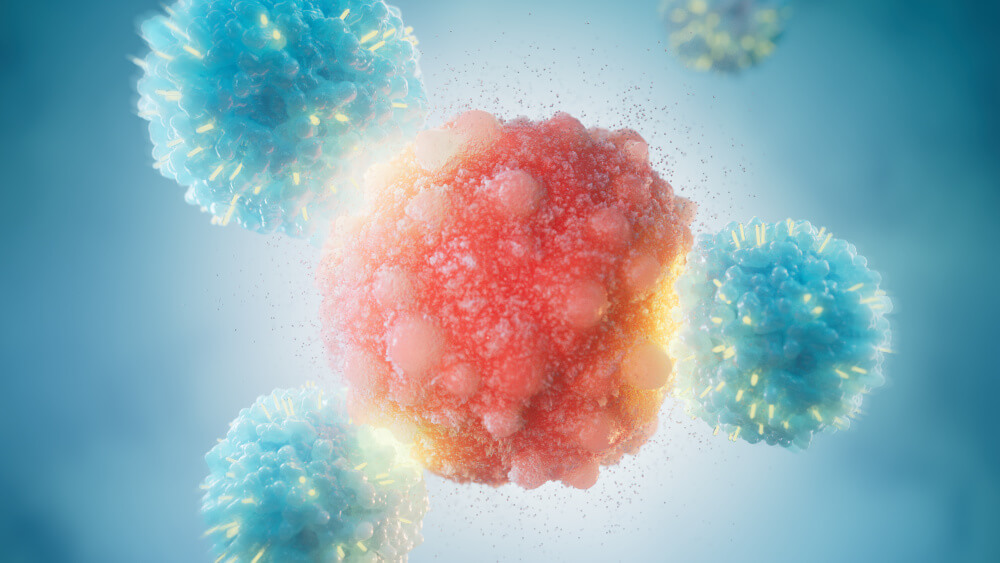
The landscape of cancer treatment is being reshaped by a wave of groundbreaking innovations. From long-elusive targets to powerful new forms of immunotherapy, the scientific momentum is creating tangible hope for patients. This progress is turning some of the most challenging diagnoses into new frontiers for effective care.
For diseases like pancreatic cancer and acute myeloid leukemia (AML), novel targeted therapies are changing the game. Experts note that the revolution in targeting specific cancer-driving proteins represents one of the biggest therapeutic advances in the history of clinical care for these patients. Meanwhile, the promise of personalized cancer vaccines is becoming a reality. These vaccines are designed to train a patient's own immune system to recognize and attack their unique cancer, offering a potential shield against the disease returning after initial treatment.
Advances are not limited to drugs. Sophisticated blood tests known as liquid biopsies offer a non-invasive way to detect cancer recurrence early and help personalize treatment plans. Similarly, multi-cancer early detection tests are opening the door to finding cancers at their most treatable stages. On the treatment delivery side, radioligand therapy is a precision-guided form of radiation that is now being used earlier for aggressive prostate cancer and is in trials for other cancers. This approach delivers radiation directly to cancer cells, sparing healthy tissue.
The science of protein degradation is unlocking a new class of medicines. By dismantling the very proteins that drive cancer growth, these novel drugs are showing promise in clinical trials for cancers including breast cancer. Researchers believe this could be the clinical decade for this transformative approach. At the same time, artificial intelligence is being developed as a reliable assistant for oncologists. The goal is to create AI tools that help ensure every patient benefits from the latest advancements, a mission focused on improving care everywhere.
The immunotherapy revolution continues to accelerate. New research tools are providing scientists with unprecedented views of how the immune system interacts with tumors, revealing fresh opportunities to harness its power. Furthermore, the remarkable success of CAR T-cell therapy for blood cancers is expanding. It is now being explored for solid tumors like childhood brain cancer and is moving into earlier lines of treatment for diseases like multiple myeloma, offering new hope where options were once limited.
Alongside these high-tech advances, there is a growing recognition of the fundamental role of health and wellness in cancer prevention. Evidence continues to build that lifestyle factors, where possible, can reduce cancer risk. This holistic perspective, combined with cutting-edge early detection programs for high-risk individuals, underscores a comprehensive and hopeful approach to conquering cancer from every angle.