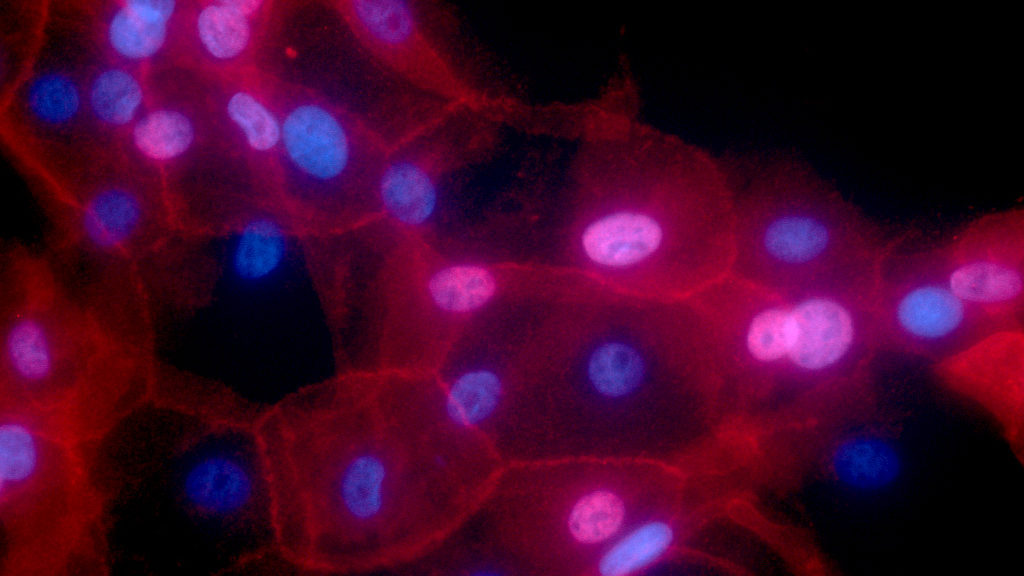
The U.S. Food and Drug Administration has approved a new targeted therapy for patients with a common form of advanced breast cancer, marking a major milestone for the biotechnology company Celcuity. The decision brings the first-ever medicine from the company to market and offers a fresh option for people whose disease has stopped responding to standard hormone-based treatments.
The newly approved drug, gedatolisib, is designed for adults with HR-positive, HER2-negative advanced or metastatic breast cancer. This subtype accounts for roughly 70 percent of all breast cancer cases. In clinical trials, the drug was tested in combination with a standard endocrine therapy called fulvestrant. Results showed that patients who received the combination lived a median of 15.2 months without their cancer worsening, compared to 11.1 months for those who received fulvestrant alone. That represents a meaningful delay in disease progression for a group with limited options after initial treatments fail.
Gedatolisib works by blocking two key enzymes, PI3K and mTOR, which are part of a signaling pathway that often drives cancer growth in hormone receptor-positive breast tumors. By inhibiting both targets at once, the drug aims to shut down a broader range of growth signals and overcome resistance that commonly develops to other therapies. The FDA’s approval was based on a Phase 3 trial involving more than 350 patients across multiple countries. Side effects included mouth sores, rash, and elevated blood sugar, which were generally manageable with supportive care.
For patients and oncologists, this approval adds a new weapon to the treatment arsenal. Many people with HR-positive, HER2-negative breast cancer eventually stop responding to first-line endocrine therapies and CDK4/6 inhibitors, leaving them with fewer effective choices. Gedatolisib offers a non-chemotherapy option that can extend the time before the disease advances. Celcuity has announced plans to make the drug available to U.S. patients within weeks and is pursuing additional studies to evaluate its use in earlier stages of breast cancer.
The company now faces the challenge of establishing gedatolisib in a competitive market that includes other PI3K inhibitors and emerging combination regimens. But for the thousands of patients who need new options after standard treatments fail, this approval represents a step forward in the effort to turn advanced breast cancer into a more manageable chronic condition.