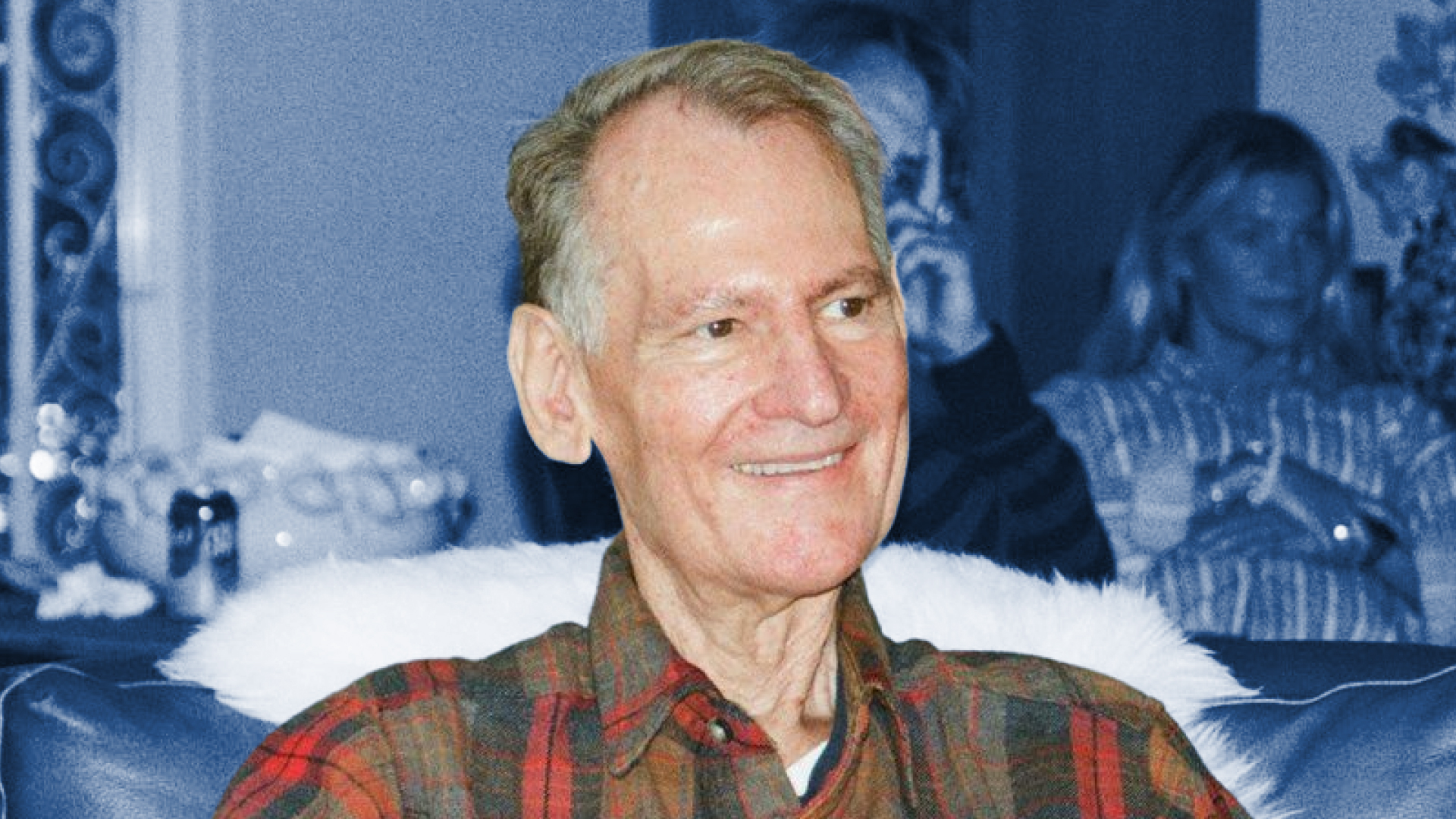
For decades, a pancreatic cancer diagnosis carried a grim and fast-moving prognosis. But a new targeted therapy is rewriting that timeline for patients like Russ Smith, a 67-year-old Utah grandfather who has now lived more than 1,000 days after his diagnosis, a milestone he once thought impossible.
Smith was diagnosed with pancreatic cancer at the same age his mother was when she received the identical diagnosis more than 30 years ago. She died just seven weeks later. When doctors found a tumor the size of an orange on his pancreas, Smith feared he would follow her path. Instead, years of cancer research offered him a different route.
After nearly a year of chemotherapy that failed to stop the cancer from spreading, Smith was connected with Huntsman Cancer Institute, where he qualified for a Phase 3 clinical trial studying daraxonrasib, a daily oral medication designed to target cancers driven by KRAS, a genetic mutation found in most pancreatic tumors. For years, KRAS was considered “undruggable.” The trial results suggest that era has ended.
The study, presented to a standing ovation at the 2026 American Society of Clinical Oncology Annual Meeting, found that daraxonrasib doubled survival time for patients with metastatic pancreatic cancer, increasing it from 6.7 months to 13.2 months. Huntsman Cancer Institute was one of only 60 sites worldwide offering the trial, giving patients like Smith access to a therapy that did not exist for previous generations.
Smith began taking the drug in February 2025. He experiences side effects, including weakness and gastrointestinal issues, and returns to the institute every other week for monitoring and regular CT scans. But a year and a half into treatment, his cancer’s growth has slowed significantly. His tumor markers have remained essentially unchanged for months.
“It’s prolonged my life in a meaningful way,” Smith said.
Vaia Florou, MD, MS, the principal investigator on the trial at Huntsman Cancer Institute, said the results are encouraging not just for current patients but for the future of pancreatic cancer care.
“Seeing patients like Russ benefit from treatments that simply didn't exist when previous generations faced this disease is why we do this work and why cancer research matters,” she said.
Because pancreatic cancer has affected multiple generations of his family, Smith knows his children and grandchildren may face an increased risk. That reality gives him purpose. He views his participation in the trial as a way to help future patients by advancing research, even as he focuses on making memories with his family.
In the summer of 2026, Smith marked 1,000 days since his diagnosis. He remains realistic about the challenges ahead, but he is hopeful about what continued discoveries may bring.
“1,000 days for pancreatic cancer,” he said. “I feel pretty good about that.”