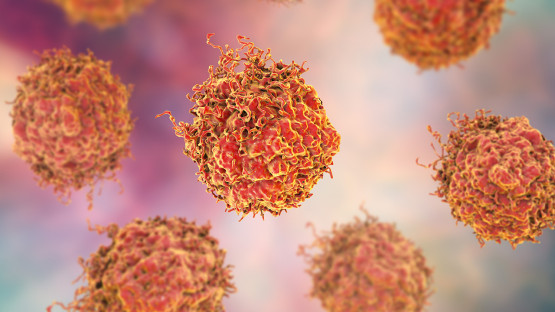
Men newly diagnosed with metastatic prostate cancer may have a powerful new option to delay the disease from spreading further. A global phase 3 clinical trial has shown that adding a targeted radioactive drug to standard hormone therapy significantly slows cancer progression, a finding that has already led to expedited approval by U.S. regulators.
The study, which involved more than 1,100 patients across 20 countries, tested a three-drug combination for men with a specific type of prostate cancer that expresses a protein called PSMA. About nine out of ten men with metastatic prostate cancer have tumors that are PSMA-positive. The trial found that adding 177Lu-PSMA-617, also known as lutetium PSMA 617 vipivotide tetraxetan, to the standard two-drug backbone of androgen deprivation therapy and an androgen receptor pathway inhibitor reduced the risk of disease progression or death by 28 percent compared with standard care alone.
This result matters because the standard approach has long been to reserve this type of radionuclide therapy for men whose cancer has stopped responding to initial treatments. Now, the data show clear benefit when the drug is given much earlier, right after a metastatic diagnosis. The U.S. Food and Drug Administration approved this earlier use in late July, based on the trial results and ongoing analyses. For many patients, this could mean more time before their cancer worsens and before they need to switch to alternative therapies.
The treatment works by combining a molecule that latches onto the PSMA protein on prostate cancer cells with a small dose of radiation. This allows the therapy to seek out and destroy cancer cells while largely sparing healthy tissue. In the trial, men receiving the triple therapy also experienced a longer delay before developing resistance to their other medications and before cancer spread to the bones caused symptoms. Side effects were more common in the triple therapy group, as expected. The most frequent was dry mouth, reported by 46 percent of patients, with fatigue also seen frequently.
The study, called PSMAddition, was led by investigators at Weill Cornell Medicine, NewYork-Presbyterian, Memorial Sloan Kettering Cancer Center, and other institutions worldwide. It builds on more than two decades of collaborative research that began with the discovery of the PSMA gene at Memorial Sloan Kettering, followed by the development and testing of the first targeted therapies at Weill Cornell and NewYork-Presbyterian. The drug was previously approved in 2022 for men with treatment-resistant disease, but this new evidence opens the door to using it as a first-line addition.
What This Means for Patients and Next Steps
Not every man will be a candidate for this therapy. The drug must be administered by specialists in nuclear medicine or radiation oncology, and patients need specialized imaging scans to confirm their tumors are PSMA-positive. That level of care is typically available at academic medical centers, which may require travel for some patients. There are also precautions to prevent radiation exposure to household members after treatment.
Still, the outlook is increasingly hopeful. Researchers are continuing to analyze longer-term outcomes, including overall survival and safety with extended use. While it remains unclear whether these newer targeted therapies ultimately extend life, the data so far are trending in that direction. With multiple targeted drug options now available, physicians can tailor treatment based on a patient's tumor markers and preferences. As one investigator noted, doctors can now detect tumors that were previously invisible and offer several therapies that meaningfully delay disease progression in metastatic prostate cancer.