A new summer camp in Colorado is giving middle and high school students an early introduction to the world of cancer research, with the goal of inspiring the next generation of biomedical scientists. The program, called START, which stands for Students and Teachers Achieving Cancer Research Experiences Together, welcomed its first cohort of students this summer at the University of Colorado Anschutz campus.
The camp is designed for students entering seventh through tenth grades and aims to spark interest in research careers while building a stronger understanding of cancer prevention and science in the local community. Organizers report strong demand in the inaugural year, with 159 applications from seventh and eighth graders and 134 from ninth and tenth graders. Of those, 76 students were accepted by random selection to participate in the two-week program.
The National Cancer Institute has provided $370,000 in first-year funding under a five-year grant to support the initiative. Program leaders say a key priority is reaching students from historically underrepresented backgrounds in science and medicine. Eduardo Davila, PhD, associate director of Cancer Research Training and Education Coordination at the cancer center, and his colleagues developed the camp with the explicit goal of transforming the community by cultivating research skills and inspiring young people to see cancer research as a viable profession.
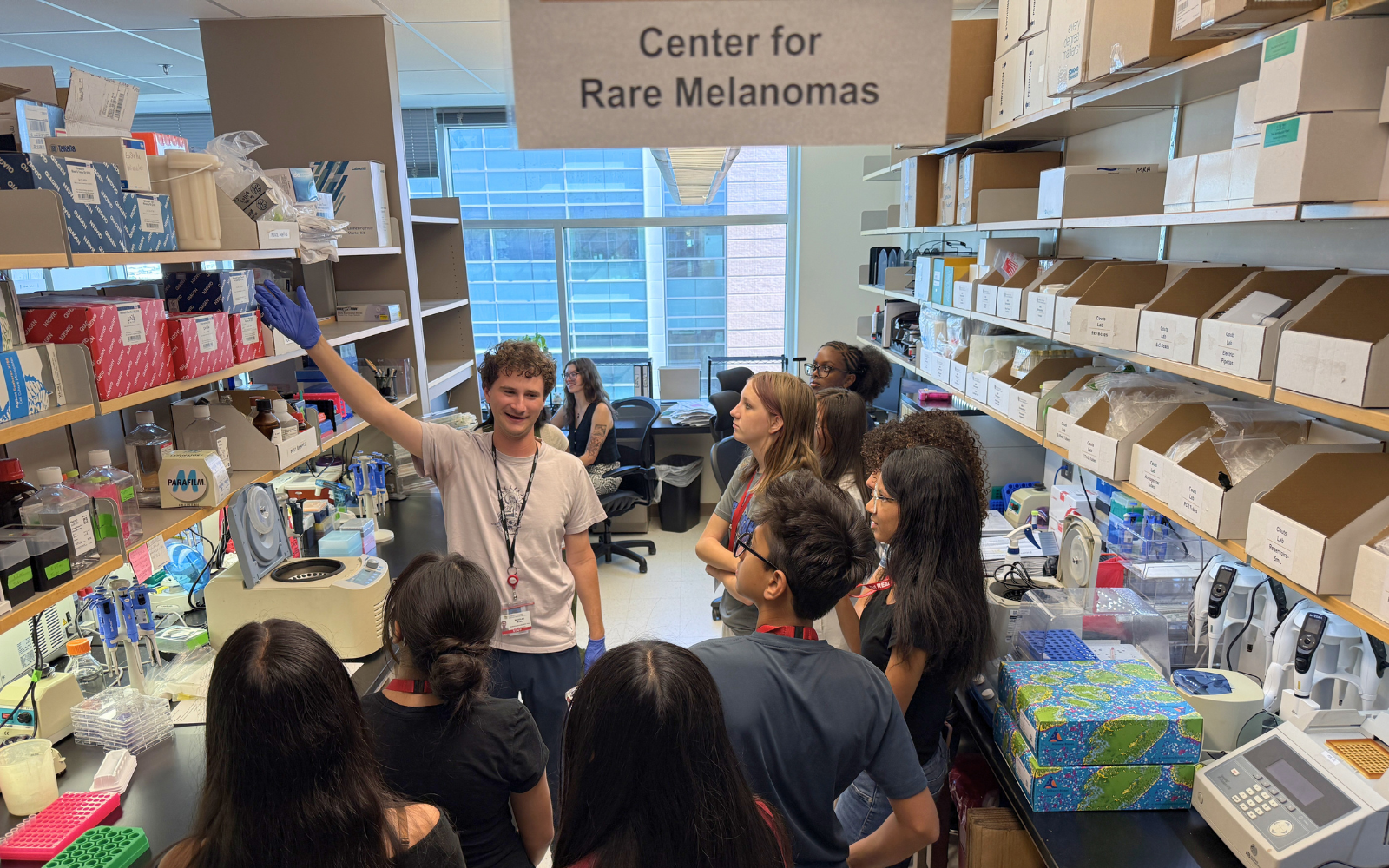
During the camp, students get hands-on experience in real laboratories. In one session focused on skin cancer, campers learned about melanoma from Kasey Couts, PhD, an associate professor of medical oncology who studies rare forms of the disease. Couts shared her own journey, noting that her path began with summer science camps in high school. She encouraged the students to seek out similar opportunities as they consider their futures. The teens also toured a biobank where thousands of tumor samples are stored in extreme cold, examined cancer cells under microscopes, and learned about polymerase chain reaction tests used to identify genetic changes that drive cancer.
In a classroom exercise, students were given a photo of a mole on a fictional patient named Sofia and asked to determine whether it warranted further examination, what type of cancer she might have, and to provide evidence for their conclusions. Other camp activities included lessons on lab safety, writing research questions, identifying science myths and misinformation, and a visit to Children’s Hospital of Colorado.
Early Interest, Long-Term Impact
Two rising seventh graders who participated this summer said they learned about the program from their parents and were drawn to it because of their interest in science. Riley Sanders, 13, a student at Girls Athletic Leadership Middle School in Denver, said she is not certain what career she will pursue but believes science may be her path. She particularly enjoyed a lab exercise where students extracted DNA from a strawberry. “I like learning about new things and then doing physical activities, like labs,” she said.
Program coordinator Molly Naylor said the camp also teaches students that mistakes are a natural part of the learning process. With funding secured for five years, organizers hope to expand the program and continue nurturing interest in cancer research among young students. The goal, they say, is not just to teach science, but to help teenagers see themselves as the researchers who will shape future breakthroughs in cancer care.