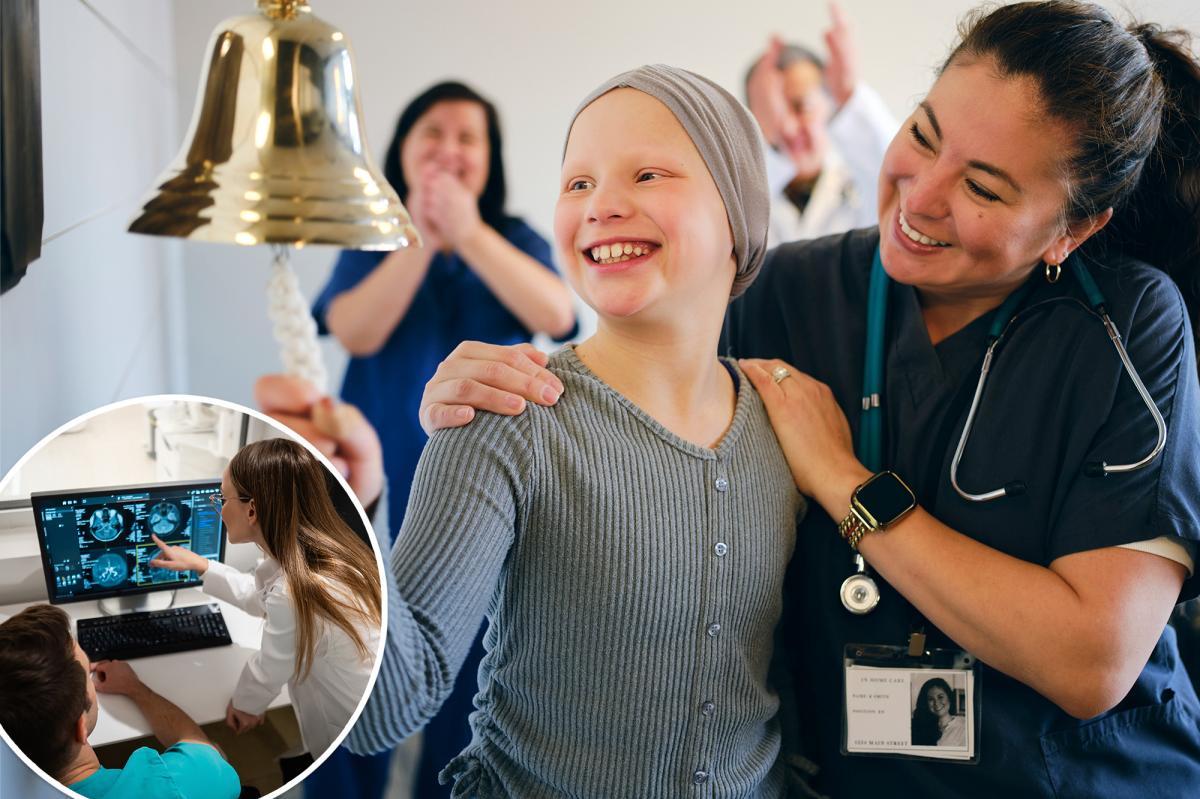
A groundbreaking immunotherapy is offering new hope for children with the deadliest forms of brain cancer, with some patients remaining disease-free years after a single course of treatment. The therapy, a form of CAR T-cell therapy, trains the body’s own immune system to hunt down and destroy solid tumors that have long been considered nearly impossible to treat.
Unlike standard chemotherapy, which struggles to cross the blood-brain barrier and often kills healthy cells along with cancerous ones, this new approach is a “living medicine.” Doctors extract a patient’s own T-cells, a type of white blood cell, and genetically reprogram them in a lab. The cells are then multiplied into millions or billions of cancer-fighters and infused back into the patient through an IV in less than an hour. In this trial, the CAR T-cells were engineered to attack three proteins commonly found on pediatric brain tumors: WT1, PRAME, and Survivin. By targeting multiple markers at once, the therapy kills more cancer cells and reduces the chance that the disease will return.
The study focused on children with aggressive cancers such as diffuse intrinsic pontine glioma (DIPG) and relapsed central nervous system tumors. “We were excited to see that we could preserve safety and quality of life while generating anti-tumor responses by attacking three targets at once,” said Dr. Eugene Hwang, chief of oncology at Children’s National Hospital in Washington, DC, and co-senior author of the study. Because brain tumors are made of many different cell types, single-target treatments often leave some cells behind, allowing the cancer to regrow. This triple-target approach aims to solve that problem.
Researchers have now established a feasible manufacturing process for the therapy, identified a maximum tolerated dose, and defined an early safety profile. The next step is a Phase 2 trial, which will bring the treatment closer to potential FDA approval. For families facing a pediatric brain tumor diagnosis, where existing options are limited and often cause severe side effects, this advance offers a hopeful glimpse of a future where more children not only survive but thrive.