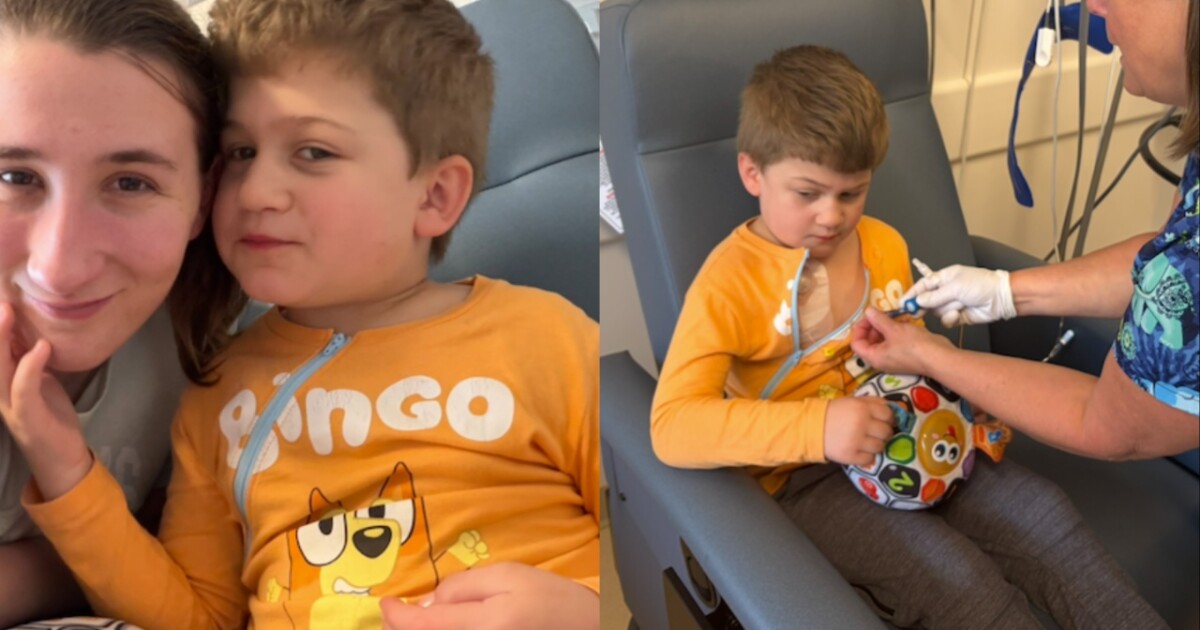
A six-year-old boy from Wisconsin is among the first patients in the world to receive a newly approved treatment for a rare and fatal genetic disorder, marking a pivotal moment for families affected by the disease.
Rory Jaskulski lives with Hunter syndrome, a progressive disorder where the body cannot break down specific molecules. These substances build up in tissues and organs, leading to severe physical disabilities, cognitive delays, and a dramatically shortened life expectancy of 10 to 20 years. For Rory, who is also non-verbal and autistic, the recent FDA approval of the drug DNL310 from Denali Therapeutics came as a critical intervention. He received his first infusion just three and a half weeks after the regulatory decision, a timeline his family calls miraculous. "We needed it to happen before Rory got worse," his mother, Kylie Jaskulski, said. "It's nothing short of a miracle."
The treatment, DNL310, is designed to address the neurodegenerative progression of the disease, offering the first new FDA-approved option for Hunter syndrome in nearly two decades. A Denali spokesperson noted this moment represents an important step forward for a community that has long awaited new therapies. For families, the approval shifts the trajectory from managing a terminal diagnosis to fostering hope for stability and improved quality of life.
The Jaskulski family now enters a period of cautious optimism as they monitor Rory's response to the therapy. The emotional shift has been profound. "I went from planning my son's funeral essentially and knowing that I was going to outlive him to now wondering what the future could be like," Kylie Jaskulski shared. Her experience has fueled a hope that other families facing rare genetic disorders will see similar breakthroughs as more advanced therapies move through the development pipeline. She expressed a heartfelt prayer for those children and families, stating every child deserves the same opportunity for treatment.
While the road ahead involves careful observation to assess the treatment's long-term effectiveness, this first administration symbolizes a tangible victory. It highlights the accelerating pace of drug development for ultra-rare diseases and offers a new chapter for patients whose conditions were once considered untreatable.