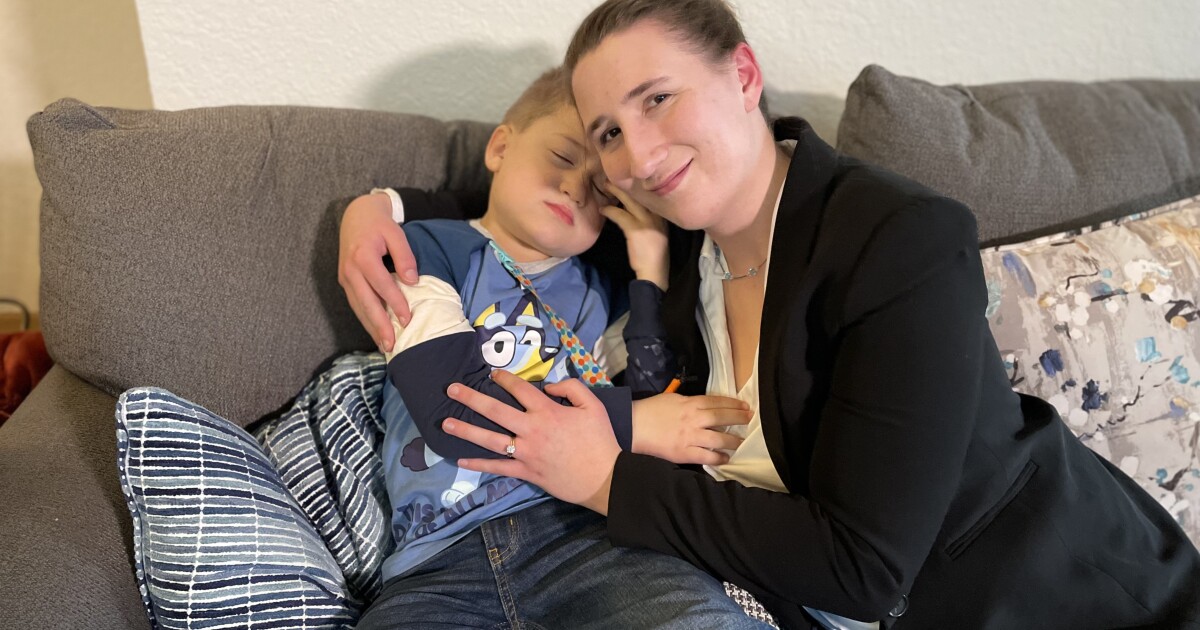
A novel therapy for the rare and fatal genetic disorder Hunter syndrome faces a critical FDA approval decision in April, offering a potential lifeline to children like six-year-old Rory Jaskulski. The drug, developed by Denali Therapeutics, is designed to cross the blood-brain barrier, addressing the neurological decline that current treatments cannot reach.
Hunter syndrome, or mucopolysaccharidosis II, is caused by the body's inability to produce an enzyme that breaks down specific molecules. These molecules then accumulate, causing severe physical disabilities, cognitive delays, and organ damage. Life expectancy is typically between 10 and 20 years with existing treatments, which manage some physical symptoms but do not halt cognitive deterioration. Rory, a kindergarten student from New Berlin, was diagnosed at age four and is non-verbal.
The investigational drug, DNL310, aims to deliver the needed enzyme directly into the central nervous system. This approach could potentially slow or prevent the progressive neurological aspects of the disease, a breakthrough over current standard care. "It's either this or they're going to die from this disease," said Rory's mother, Kylie Jaskulski, emphasizing the lack of alternatives. The FDA's decision comes after recent rejections of other Hunter syndrome treatments using gene therapy, though Denali's product is a different type of therapy.
The upcoming regulatory verdict carries immense weight for families. Approval would provide a new treatment option where none existed for the disease's cognitive impact. A rejection, however, could mean years of delay. "If this drug does not get approved in April, it won't come in time to save Rory," Kylie Jaskulski noted, highlighting the urgent timeline for many children. The community now watches closely, hoping for a positive outcome that could alter the trajectory of this devastating condition.
With the April 5 review date approaching, patients, families, and clinicians await what could be a landmark moment in treating Hunter syndrome. A successful approval would mark a significant advance in targeting the central nervous system manifestations of rare genetic diseases, bringing a long-sought measure of hope to those affected.