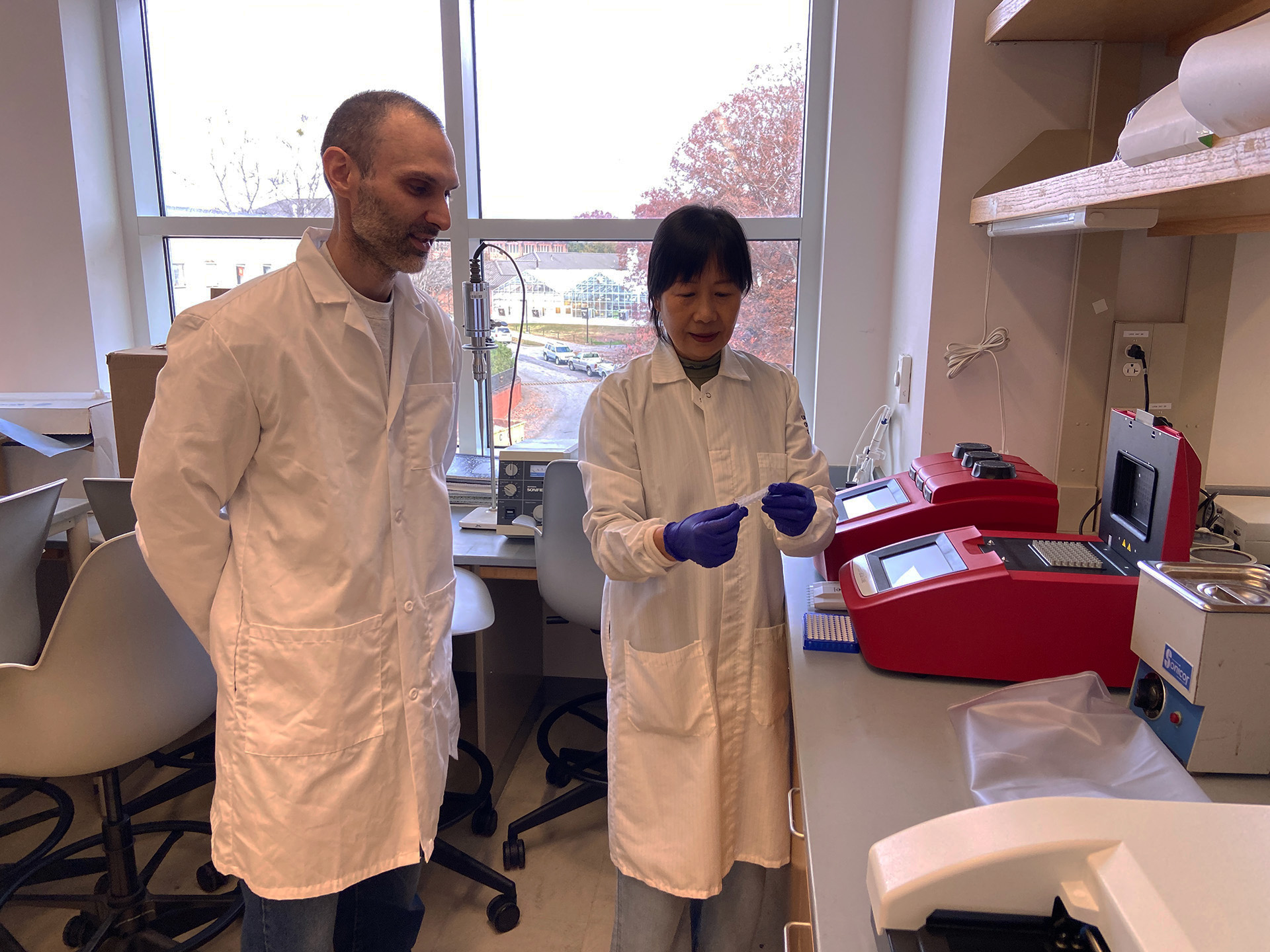
In a significant stride for heart health, researchers have unlocked new insights into the body's natural ability to clear dangerous cholesterol buildup, offering a fresh wave of hope in the fight against cardiovascular disease. This promising work focuses on harnessing the power of the immune system itself to remove cholesterol from the very tissues where it does the most harm, within the walls of our arteries. By delving into the mechanics of specific cellular proteins, scientists aim to develop therapies that go beyond simply managing cholesterol levels in the blood, targeting the root cause of arterial blockages that lead to heart attacks and strokes.
The research centers on two key proteins, ABCA1 and ABCG1, which act as critical transporters on certain immune cells. These proteins enhance the cells' capacity to collect and expel excess cholesterol, a process vital for preventing the hardening and narrowing of arteries known as atherosclerosis. Lead researcher Alexis Stamatikos explains that while medications like statins are effective for many, they do not always halt disease progression. "Our goal is to find better ways to remove cholesterol directly from the cells where it builds up," he said. This approach shifts the focus from lowering cholesterol production to empowering the body's own cleanup crew, particularly immune cells called macrophages, to tackle existing deposits.
This cellular cleanup operation is a sophisticated natural defense. When active, the ABCA1 and ABCG1 proteins help transfer cholesterol to a carrier known as apoAI, a primary component of high-density lipoprotein, or HDL, often called "good cholesterol." This partnership is crucial for transporting cholesterol away from vulnerable tissues to the liver for safe processing. Understanding and boosting this internal process represents a potential paradigm shift, moving from systemic management to targeted cellular therapy that could directly address the plaques threatening heart and brain health.
The implications of this scientific advance are profound for the millions of adults worldwide managing high cholesterol, a silent condition with few warning signs. For individuals whose cholesterol levels remain stubbornly high despite diet, exercise, and existing medications, often due to genetic factors, this research lights a new path. "This research could pave the way for therapies that work inside artery walls, addressing the problem at its source," Stamatikos noted. It promises a future where treatment is not just about controlling a number in a blood test, but actively repairing the vascular system from within.
While clinical applications are still on the horizon, the foundational discovery marks an optimistic step forward. The research team now turns its attention to studying how to safely and effectively activate these protective protein pathways in living systems. The ultimate vision is to create next-generation treatments that not only lower cholesterol but also prevent the damage it inflicts, giving the body enhanced tools to defend itself. As Stamatikos puts it, the work is fundamentally about unlocking and amplifying the body's innate capacity for protection, offering a hopeful new chapter in the enduring quest for lifelong heart health.