Researchers have uncovered a powerful new weapon in the fight against antibiotic resistance: a cluster of genes that produces four molecules working together to attack bacteria in a coordinated siege. The discovery, published in the journal Nature, offers a fresh strategy for developing drugs that may be harder for superbugs to outsmart.
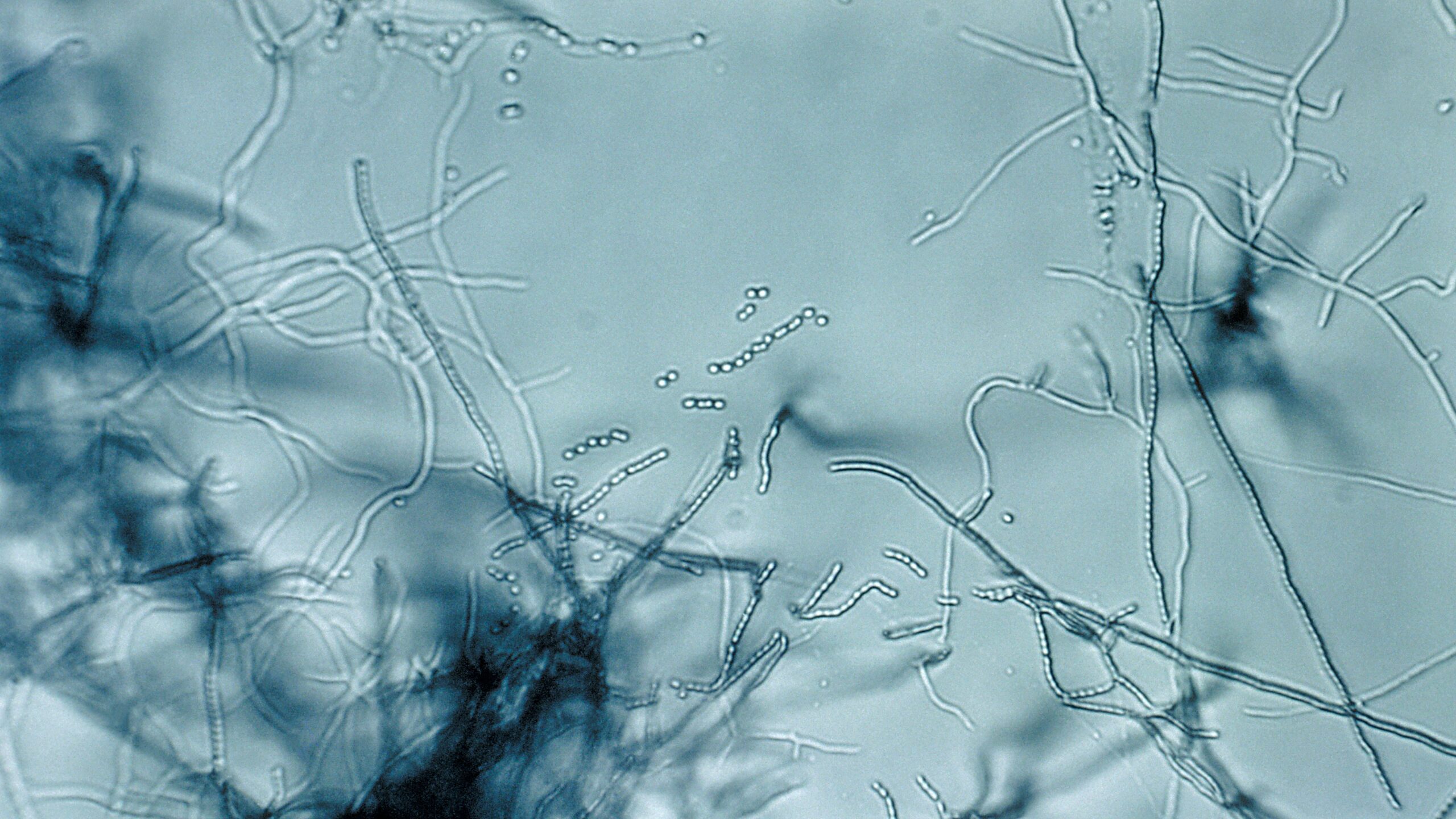
The finding comes from a team led by biomedical researcher Eric Brown at McMaster University in Ontario, Canada. They identified a large block of genes called a megacluster in Streptomyces bacteria, a well known group of soil microbes that has already given us many antibiotics, including the essential medicine streptomycin. The megacluster codes for four molecules that each disrupt a different step in the same essential bacterial pathway: the production of biotin, also known as vitamin B7. Biotin is a nutrient many dangerous pathogens need to grow and cause disease. The four molecules include three antibiotics called stravidins, acidomycins, and dapamycins, each blocking a different enzyme in the biotin-making process. The fourth molecule, alpha-Me-KAPA, acts as a decoy, hijacking the pathway to produce a useless version of biotin. The megacluster is also flanked by genes that produce a protein that captures and sequesters any biotin the bacteria might try to scavenge from their surroundings.
Experiments in test tubes and in mice confirmed that the combined products of the megacluster could kill various bacteria and were more potent when used together. This natural combination approach is significant because most current antibiotics are single molecules that can be thwarted by a single bacterial mutation. As Steven Rutherford, a microbial sciences expert at Genentech, wrote in an accompanying commentary, the discovery suggests that evolution has already identified effective combinations of antibacterials. Such evolved synergistic systems may be harder for microbes to develop resistance against, potentially staving off the countermeasures that have rendered many existing drugs less effective.
The path to a new antibiotic in clinics remains long. Rutherford noted that many big steps lie ahead, including more basic research, optimizing the molecules for delivery in humans, and costly safety and efficacy clinical trials. However, the strategy of scanning for megaclusters instead of individual gene clusters could reinvigorate the search for natural antibiotics. The researchers conclude that as genome mining methods advance, identifying similar megaclusters may reveal new paths for overcoming antimicrobial resistance by mimicking the strategies nature has already perfected. For patients and doctors facing a growing crisis of drug resistant infections, this discovery offers a hopeful new direction.