For the first time, living kidney and liver tissue has been successfully bioprinted in space, marking a major advance for regenerative medicine and in-space manufacturing. The breakthrough could one day help create transplantable tissues and medical implants for patients on Earth.
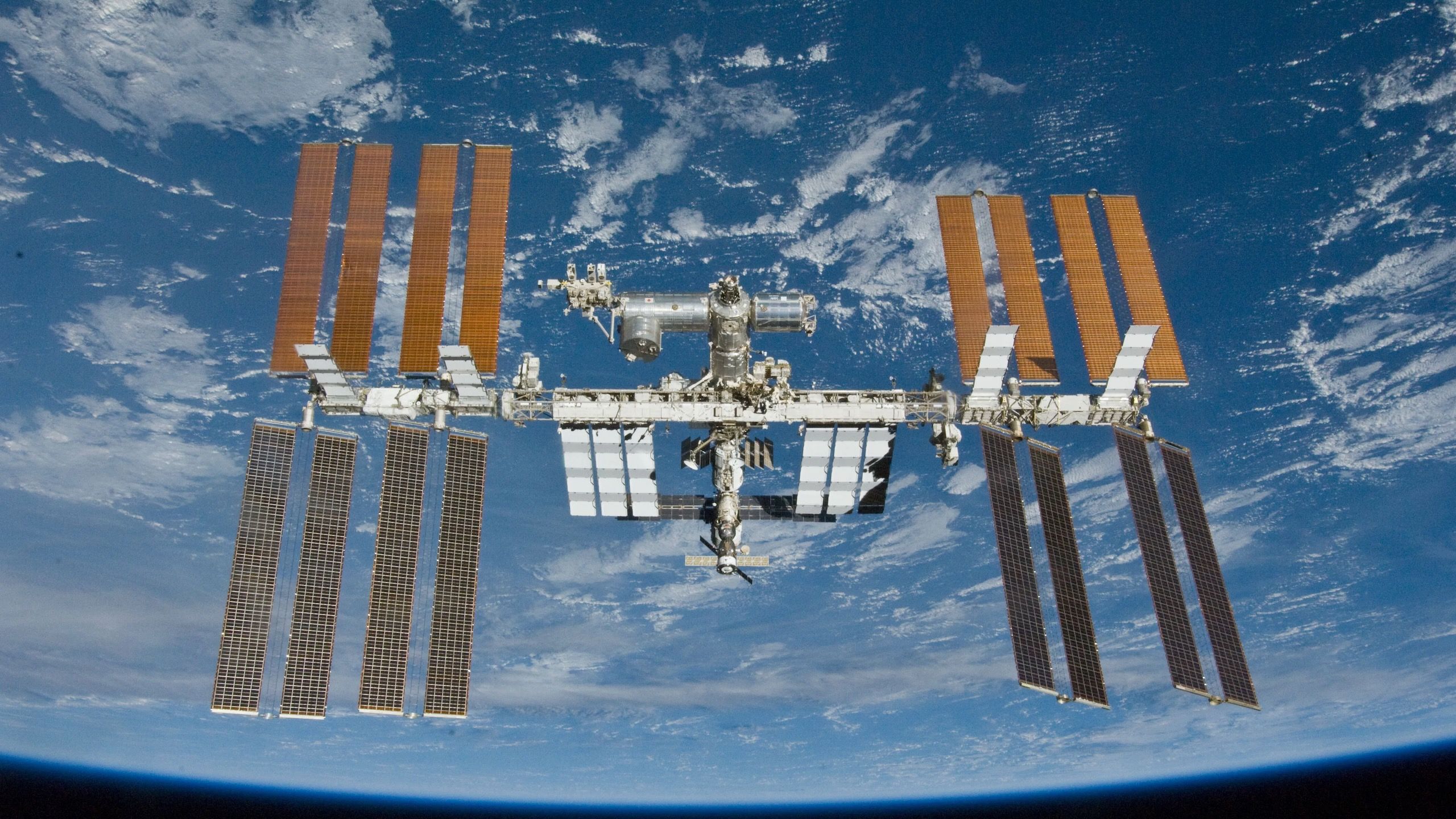
The achievement was carried out by California based Auxilium Biotechnologies using its AMP-1 orbital bioprinter aboard the International Space Station in June. The machine used cell and tissue designs from the Wake Forest Institute for Regenerative Medicine. In addition to kidney and liver tissue, the bioprinter also produced cartilage tissue and 28 nerve repair implants. The materials returned to Earth aboard a SpaceX Dragon capsule that splashed down in the Pacific Ocean on June 17.
Unlike previous space bioprinting experiments, which produced only single tissue types, the AMP-1 is the first device to print multiple tissues in orbit. The company says this flexibility is critical as commercial interest grows in using microgravity for advanced manufacturing. “The ability to manufacture multiple tissue types alongside clinically relevant medical products highlights both the versatility and scalability of our technology,” said Auxilium CEO Jacob Koffler in a statement. Researchers noted that the tissues showed uniform cell distribution, a key requirement for creating functional medical products in space.
What This Means for Patients on Earth
The success points to a future where space based bioprinting could supply high quality tissues for transplants and implants, bypassing some limitations of Earth based fabrication. Gravity can cause cells to settle unevenly during printing, but microgravity allows for more precise layering. “Successfully bioprinting living liver and kidney tissue aboard the International Space Station marks an important step forward for regenerative medicine,” said Dr. Anthony Atala, director of the Wake Forest Institute. He added that the results “point to real possibilities for manufacturing medical devices and tissues in space.”
Auxilium’s engineering vice president Isac Lazarovits called the mission “an exciting step forward for in-space biomanufacturing.” The company now plans to expand production volume and move toward routine orbital manufacturing. While human transplantation of space printed tissues is still years away, this mission proves that the core technology works beyond Earth. For patients waiting for donor organs, that is a hopeful sign that a new source of life saving tissue may one day come from the stars.