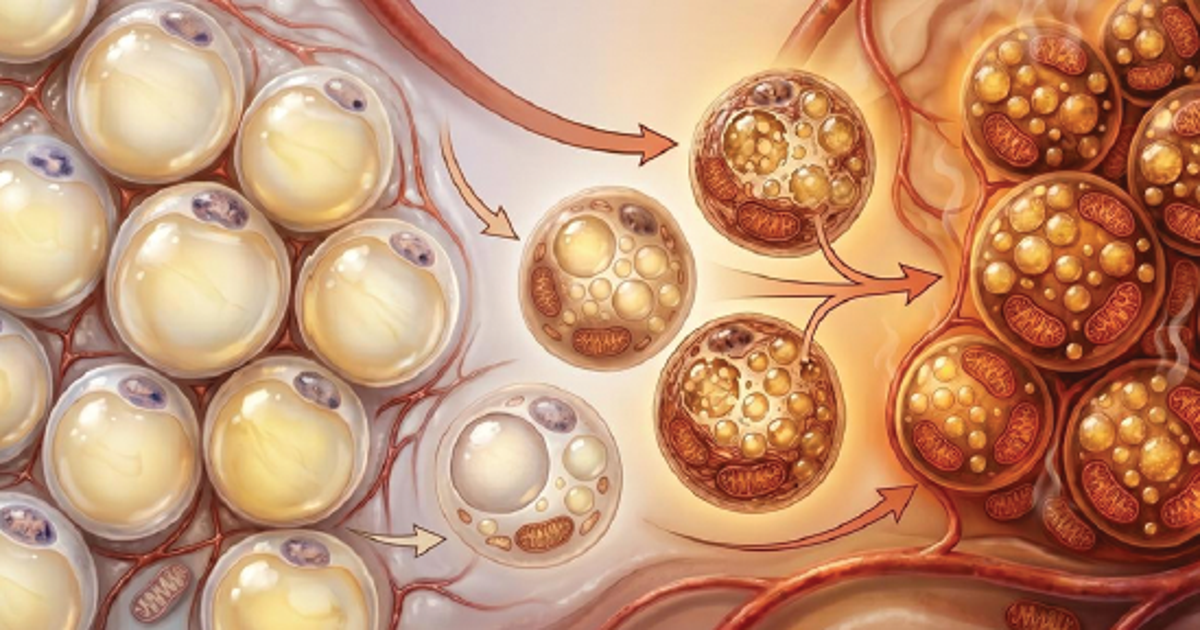
A newly developed peptide taken once daily as a capsule has demonstrated the ability to reduce abdominal fat by 17 percent and improve insulin resistance by 23 percent in human clinical trials, offering a potential new tool for metabolic health without injections or major lifestyle changes. The compound, called PEP19, is already being sold as a dietary supplement in the United States and Brazil after receiving GRAS status from the FDA, meaning it is recognized as safe with no reported side effects.
The peptide works by sending a direct signal to fat cells, instructing the body to convert stubborn fat reserves into energy. Unlike many weight loss treatments that act through brain signaling pathways, PEP19 targets fat cells directly. In controlled human trials, researchers also observed a 6 percent reduction in HbA1c levels, a key measure of blood sugar control, and a 35 percent improvement in sleep quality. The company behind the discovery, Proteimax, developed a platform of 54 natural micro-peptides based on over 20 years of research into intracellular peptides that regulate cellular function.
PEP19 is intended for a broad range of people, including those with excess visceral fat, prediabetes, or anyone seeking metabolic support as part of a healthy lifestyle. It is also being studied as a potential aid for patients using GLP-1 medications who need support during or after treatment. The peptide is taken as a daily capsule before sleep, with no need for dietary changes or injections. The company notes that the market is eager for non-injection solutions that have been tested in humans and proven effective.
Brazilian Health System Moves Toward National Coverage
In a significant development, the Brazilian Ministry of Health has launched a major trial involving approximately 1,000 people using PEP19. The trial aims to optimize dosing for patients with different conditions, including chronic hepatic fat, and is a step toward incorporating the peptide into the SUS, Brazil’s unified public health system. The company describes this as a strategic national health initiative that could reduce morbidity from metabolic diseases and save billions in healthcare costs.
Looking ahead, the company has two additional peptides in development. PEP44 is designed to target rapidly dividing cells and is expected to offer a new approach to cancer treatment. PEP51 aims to address neurological diseases by restoring the central nervous system, with potential applications for Alzheimer’s disease and possibly extending life expectancy. The company has raised approximately $5.5 million to date, including a $4 million Series A round, and is now focused on expanding global distribution and manufacturing partnerships.