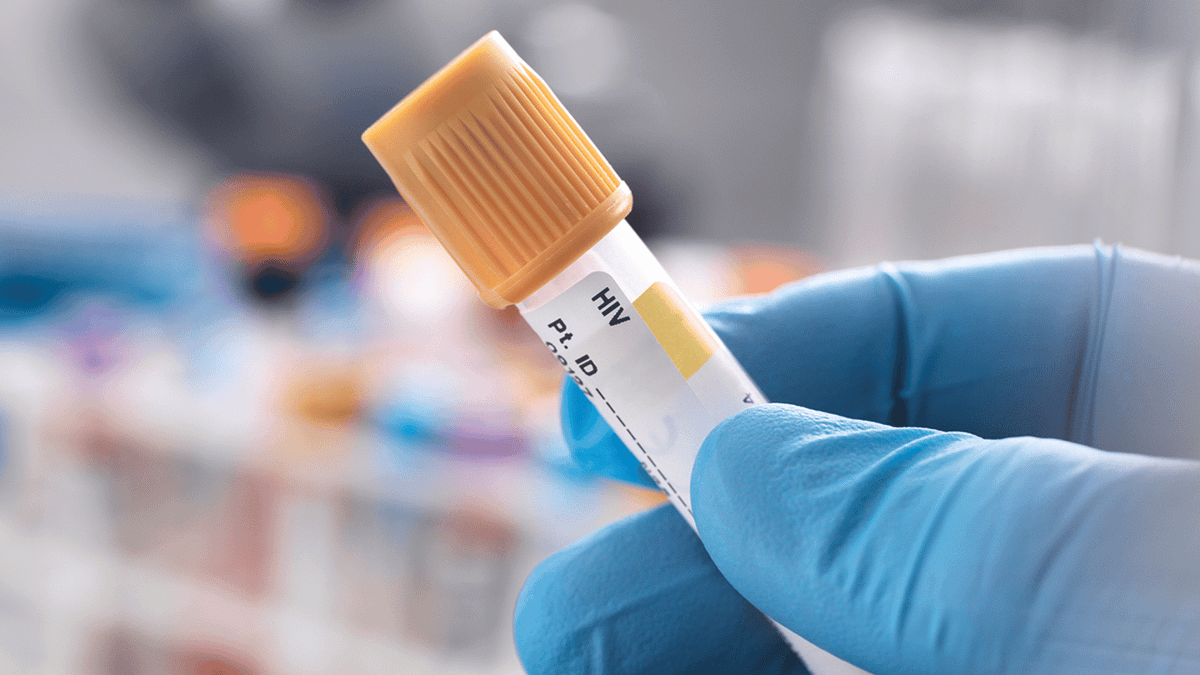
A man in Oslo has become the latest person in the world to be declared functionally cured of HIV, marking the tenth such reported case and offering new insights into the complex path toward eradicating the virus. The patient, who was also being treated for a rare blood cancer, has shown no detectable, replicating HIV for over five years after a stem cell transplant from his brother.
The 63-year-old patient, diagnosed with HIV in 2006, later developed myelodysplastic syndrome, a type of blood cancer. To treat this cancer, doctors at Oslo University Hospital performed an allogeneic hematopoietic stem cell transplant (HSCT), using cells from his brother. Crucially, the donor was found to carry a rare genetic mutation known as CCR5Δ32/Δ32. This mutation removes the receptor proteins on immune cells that most strains of HIV use to enter and infect them. Two years after the transplant, the patient safely stopped his antiretroviral therapy. Extensive analysis of over 65 million of his cells found no functional HIV DNA and no signs that the virus could rebound.
While the outcome is a significant medical breakthrough, researchers caution that this method is not a scalable cure for the millions living with HIV worldwide. The procedure itself is high-risk, with between 10 and 20% of transplant recipients dying within a year. It requires a donor who is both a close genetic match and carries the rare CCR5 mutation, a combination that is exceedingly difficult to find. Furthermore, the patient experienced graft-versus-host disease, a severe immune reaction where donor cells attack the recipient's body, though this reaction may have also helped eliminate HIV-infected cells.
Moving forward, scientists emphasize that the case provides invaluable data. They aim to compare all known cure cases to identify the precise biomarkers and mechanisms that lead to long-term remission. The hope is that this knowledge can inform less invasive, more widely applicable strategies for an HIV cure. For now, the case of the Oslo patient stands as a powerful proof of concept and a beacon for ongoing research, demonstrating that a cure, however complex, is scientifically possible.