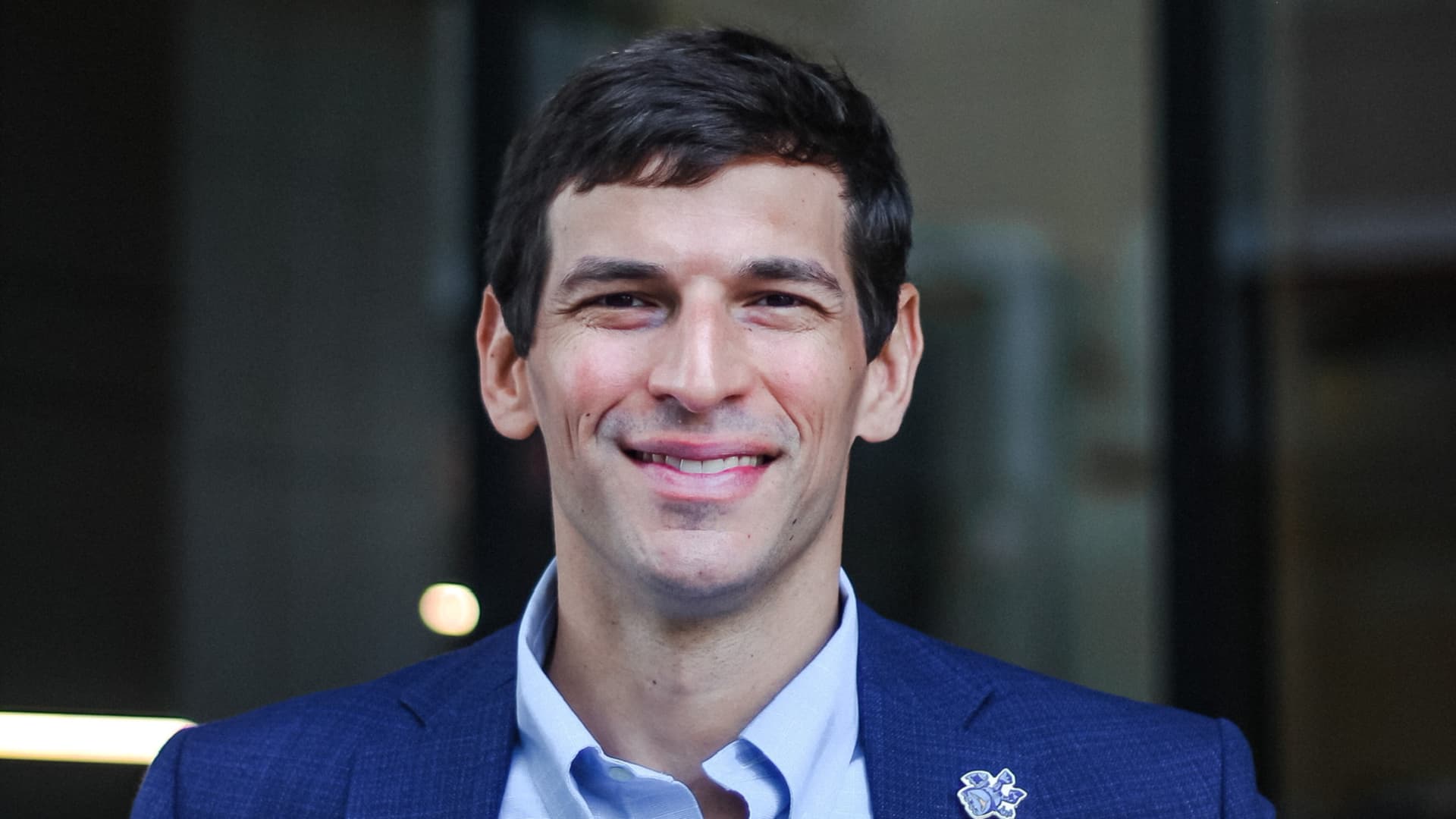
A nonprofit medical research organization is using artificial intelligence to systematically hunt for new uses for existing drugs, aiming to deliver affordable treatments for rare diseases within years instead of decades. Every Cure, founded by physician Dr. David Fajgenbaum, has identified 10 active drug repurposing programs and aims to treat 15 to 25 diseases by 2030.
The approach marks a fundamental shift. Instead of seeking a treatment for a single disease, Every Cure's AI platform analyzes roughly 4,000 approved drugs against more than 18,000 known diseases, scoring about 75 million possible matches. This process, which once took 100 days, now takes roughly 17 hours. A medical team then investigates the most promising leads, focusing on matches that are both medically compelling and financially feasible to advance to clinical trials, which cost between $3 million and $7 million per drug. "We don't just want to find a match and publish it," Fajgenbaum said. "We want to do the work to prove it, and we want to do the work to find people that need it."
The model has already shown early promise. In one case, the team found that a drug developed decades ago for African sleeping sickness appears to inhibit the protein that drives Bachmann-Bupp syndrome, an ultra-rare neurodevelopmental disorder. Six patients, including five children, have been treated so far, with all five children showing meaningful improvement in mobility and engagement. The organization's leadership has a prior track record, having been responsible for repurposing 14 drugs for five different diseases before Every Cure's founding.
Securing funding for this disease-agnostic model was initially a challenge, as rare disease philanthropy is often directed toward specific conditions. Every Cure turned down money tied to researching single diseases. It later gained support from groups like the Chan Zuckerberg Initiative and received a $60 million commitment from TED's Audacious Project, plus access to over $130 million in federal funding from ARPA-H.
Fajgenbaum emphasizes that drug repurposing is not a substitute for developing new medicines but a parallel, cost-effective pathway. He notes that while novel drug development can cost $1-2 billion over 10-15 years, repurposing offers a fraction of that cost and timeline. The next hurdles involve guiding promising matches through lab validation, clinical trials, and, in some cases, ensuring production of older drugs that are no longer profitable for manufacturers. The goal is to ensure that every disease that can be cured with an existing medicine, is.