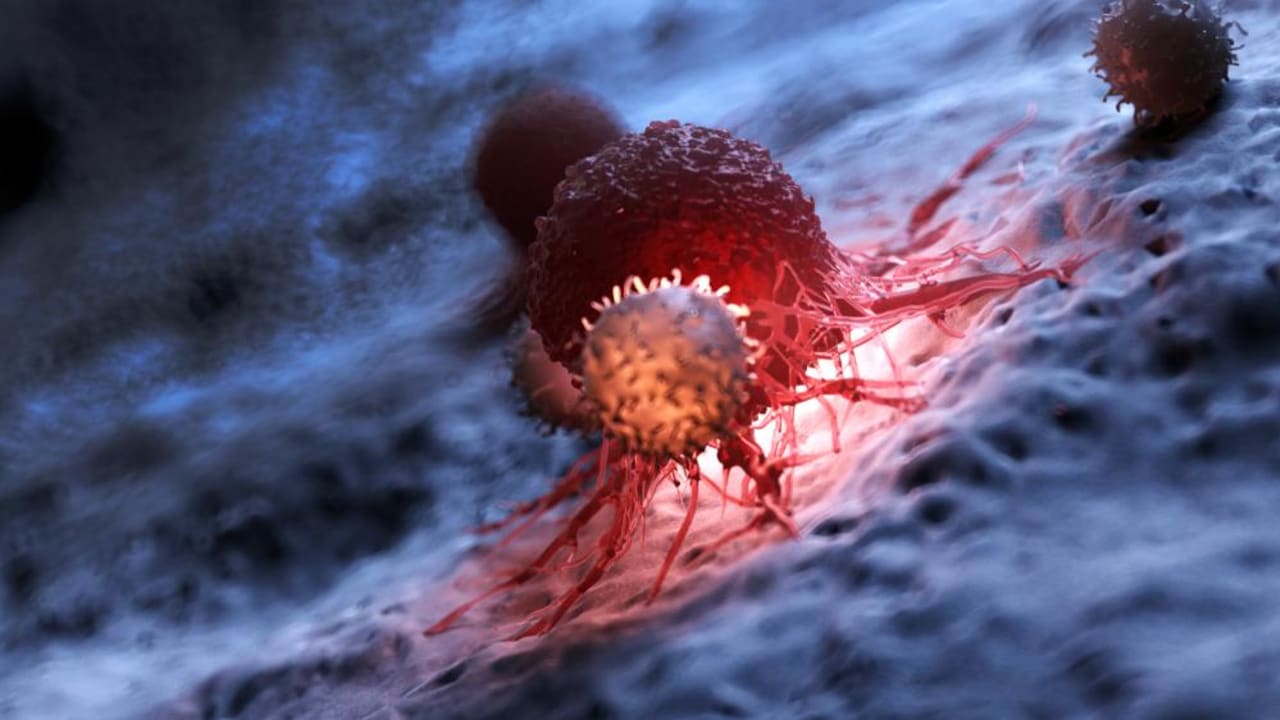
Israeli researchers have unveiled new preclinical data suggesting that an experimental therapy called SIL204 could help the immune system recognize and destroy cancers driven by mutated KRAS genes, one of the most challenging targets in oncology. The findings, released Wednesday, bolster earlier evidence that the treatment may counter multiple immune-evasion tactics used by tumors.
KRAS mutations are found in roughly 90% of pancreatic cancers and 30 to 35% of lung adenocarcinomas, making them a major focus for drug developers. SIL204 uses small interfering RNA, or siRNA, to suppress the expression of these mutated genes, effectively removing a key driver of uncontrolled tumor growth. But the new research shows the drug may do more than slow cancer cells directly; it also appears to make them more visible and vulnerable to the body's own defenses.
In laboratory studies using human cancer cell lines representing three different KRAS mutations in pancreatic and non-small cell lung cancer, treatment with SIL204 produced statistically significant increases in FAS, a protein often called the “death receptor” that allows immune cells to trigger programmed cell death in tumors. At the same time, the therapy significantly reduced levels of HLA-G, an immune checkpoint molecule that cancer cells use to suppress immune activity. Together, these changes address three distinct ways tumors typically escape immune surveillance: hiding from detection, resisting cell death, and dampening the immune response.
The company behind the drug, Silexion Therapeutics, has previously reported that SIL204 may also restore susceptibility to immune-mediated killing and reduce checkpoint activity. The new data strengthens the case for combining the therapy with existing checkpoint inhibitors, a class of drugs that has shown limited success in pancreatic cancer when used alone. “These new findings meaningfully extend and reinforce the immuno-oncology profile of SIL204,” said Ilan Hadar, the company’s chairman and CEO, noting that the results support further evaluation in combination with anti-PD-(L)1 therapies, particularly for indications where those drugs have historically underperformed.
The research arrives as the broader oncology field increasingly explores pairing KRAS-targeted treatments with immunotherapies. While most KRAS inhibitors developed so far have focused on blocking the mutant protein directly, the siRNA approach used by SIL204 offers a different strategy: silencing the gene itself. This may allow the therapy to work across multiple KRAS mutation subtypes, which is critical given the genetic diversity seen in patient tumors.
Earlier this year, Silexion advanced SIL204 into a Phase 2/3 clinical trial at Tel Aviv Sourasky Medical Center, focused on patients with pancreatic cancer. The study is currently limited to that single site but is expected to expand to additional medical centers in Israel, Germany, and other countries in the coming months. If the therapy continues to show promise, it could eventually offer a new option for patients with some of the most aggressive and difficult-to-treat cancers, particularly those who have not responded to standard checkpoint inhibitor therapy.