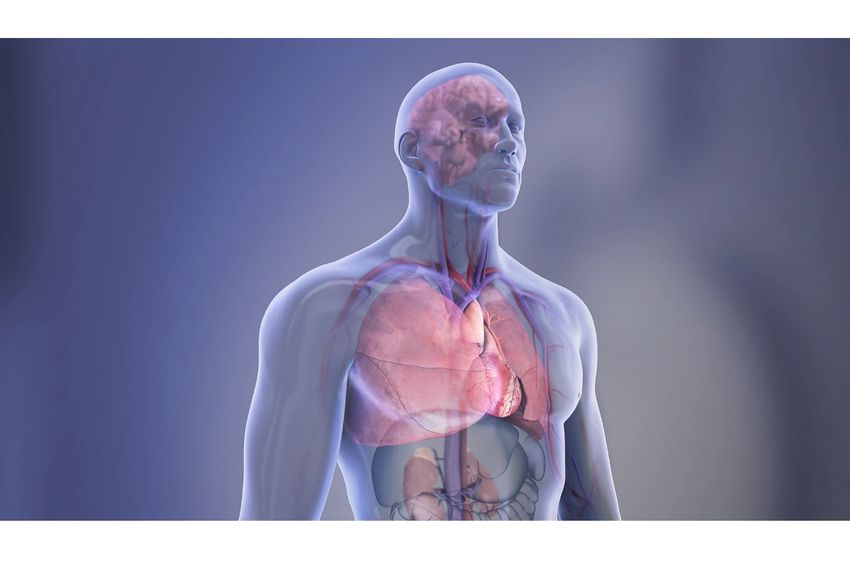
The landscape of heart and brain health is being reshaped by a wave of promising scientific advances, offering new hope for tackling some of medicine's most persistent challenges. As 2025 draws to a close, researchers globally are reporting significant strides in understanding and treating conditions like high blood pressure, stroke, and heart failure. This year's most compelling work moves beyond mere management, delving into cellular repair for failing hearts and uncovering deeper insights into how lifestyle and risk factors truly impact longevity. The collective effort represents a powerful forward march against cardiovascular diseases, which remain a leading cause of death, by focusing on both innovative treatments and foundational prevention.
Dr. Mariell Jessup, a chief medical and science officer, acknowledges the daunting scale of the battle against heart disease and stroke, fueled by risk factors and aging populations. Yet she emphasizes a prevailing sense of optimism, noting that scientists are learning more every day about the causes, treatments, and crucially, the prevention of these diseases. This progress, she credits, is a direct result of the relentless hard work and perseverance of the global research community. Their discoveries are building a more robust arsenal for patients and doctors alike, turning what once seemed like intractable problems into areas of tangible hope and potential.
Among the year's standout themes are several developments poised for real-world impact. Investigators have made exciting discoveries in new antihypertensive medications and reinforced the lifelong benefits of blood pressure control. The conversation around stroke treatment has been energized by studies showing how clot-busting medications may significantly improve recovery for specific, severe strokes. In structural heart disease, evidence is mounting that early intervention for aortic stenosis could be superior to watchful waiting alone. Furthermore, the remarkable influence of GLP-1 medications on cardiovascular disease continues to unfold, with research pointing toward even more effective drug options and outcomes for patients.
This flourishing of knowledge is no accident, but rather the fruit of a sustained commitment to funding and supporting scientific inquiry. It is noteworthy that a majority of the year's highlighted studies involved researchers who have received critical funding from leading health organizations at some point in their careers. This connection stands as a strong testament to the importance of continuous investment in science as the engine of medical breakthroughs. As Dr. Stacey E. Rosen, a volunteer president, explains, scientific research is an indispensable pillar in the mission to help everyone, everywhere live a longer, healthier life. Each discovery, each refined therapy, and each new understanding of risk brings that goal closer, transforming the future of cardiovascular and brain health from a distant hope into an achievable reality.