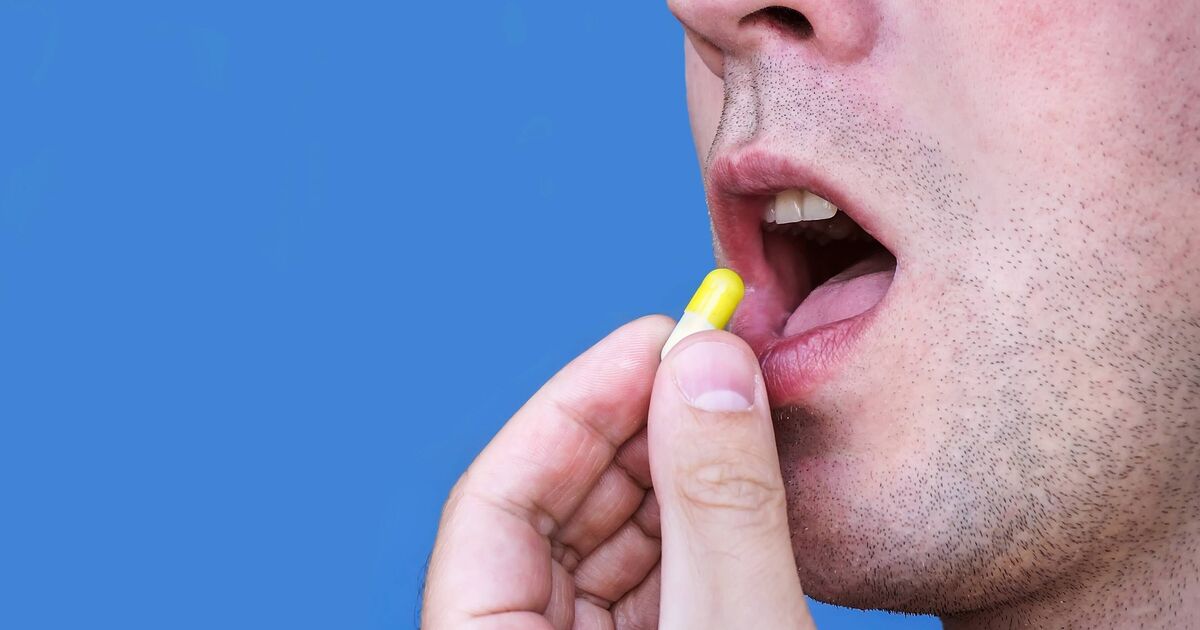
A new once-daily pill has demonstrated a dramatic 60 percent reduction in harmful cholesterol in a major clinical trial, offering a potent and convenient future option for millions at risk of heart attacks and strokes.
The drug, known as enlicitide, achieved the most significant drop in LDL cholesterol recorded with an oral medication since statins were introduced. In the phase three trial involving nearly 3,000 participants, most of whom were already on statins but still had elevated LDL, the results were pronounced. After 24 weeks, those taking enlicitide showed approximately 60 percent lower LDL cholesterol compared to those on a placebo, with the benefit sustained over a full year of treatment.
Enlicitide works similarly to powerful injectable cholesterol-lowering drugs but in a convenient tablet form. This could significantly simplify management for patients who struggle to reach their cholesterol targets despite taking high-dose statins. "Fewer than half of patients with established atherosclerotic cardiovascular disease currently reach LDL cholesterol goals," said lead investigator Dr. Ann Marie Navar, a cardiologist at UT Southwestern Medical Centre. "An oral therapy this effective has the potential to dramatically improve our ability to prevent heart attacks and strokes on a population level."
The medication is still under investigation and will require regulatory approval before doctors can prescribe it. A crucial next-step trial is already underway to confirm whether the substantial LDL reductions translate directly into fewer heart attacks and strokes, moving beyond improved lab numbers to proven real-world benefits. Researchers are hopeful that this pill could become a vital tool in the global fight against cardiovascular disease, offering a new line of defense for high-risk patients.