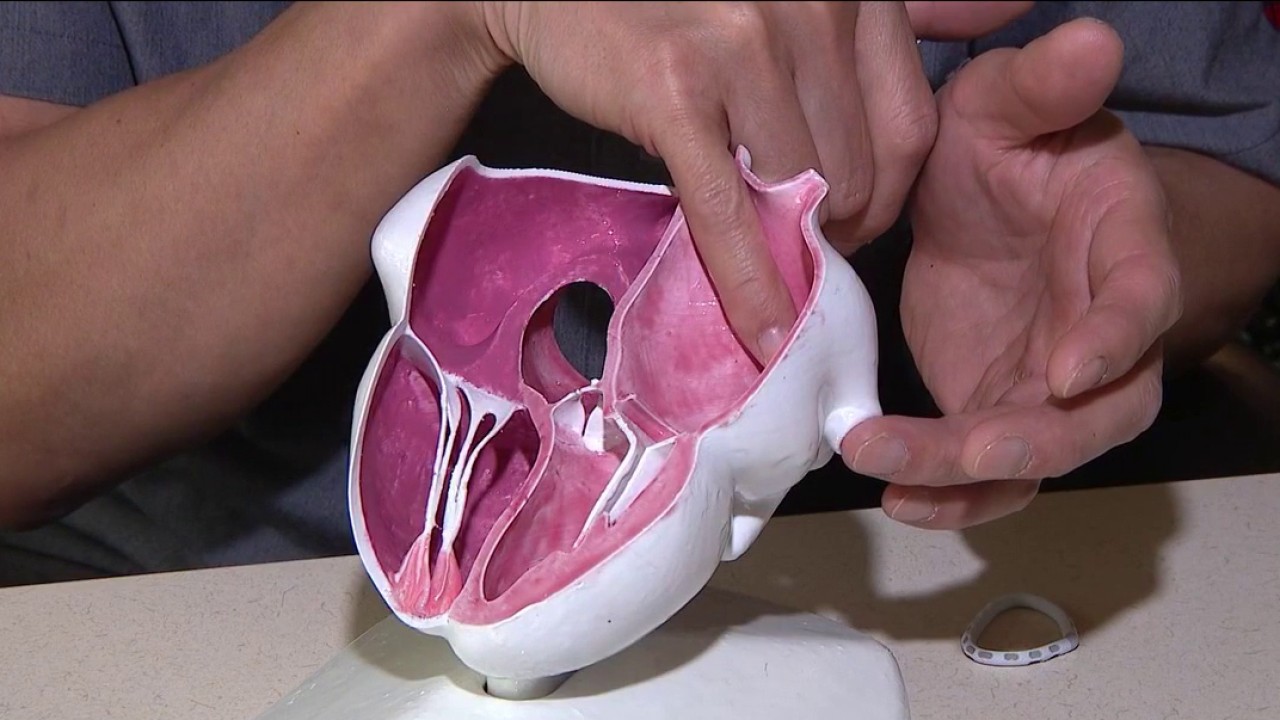
A groundbreaking medical advancement is transforming cardiac care, offering new hope to patients facing serious heart valve issues. This innovative procedure provides a powerful alternative to traditional open heart surgery, allowing many individuals to avoid the significant recovery and risks associated with major chest operations. The development represents a monumental leap forward in minimally invasive techniques, focusing on repairing the heart's delicate valves with precision and far less physical trauma to the patient.
Unlike open heart surgery, which requires surgeons to open the chest and stop the heart, this new approach is far less invasive. It typically involves threading thin, specialized tools through a small incision, often in the groin or another peripheral site, and guiding them to the heart using advanced imaging. This allows doctors to repair or replace faulty valves while the heart continues to beat. For patients, this translates to a procedure with less pain, a dramatically shorter hospital stay, and a faster return to daily life and loved ones.
The positive impact on patient recovery cannot be overstated. Where open heart surgery can require weeks or months of intensive rehabilitation, patients undergoing this newer technique often find themselves on their feet within days. The reduced physical stress on the body makes the procedure a viable option for many who were previously considered too high risk for conventional surgery due to age or other health complications. This opens the door to effective treatment for a broader population, granting them not just longer life, but a better quality of life post procedure.
This breakthrough is more than just a single new technique. It signifies a vibrant and accelerating trend in medicine toward treatments that are as gentle as they are effective. Each success story fuels further research and refinement, promising even more sophisticated solutions in the years to come. For the scientific and medical community, it validates years of dedicated research and collaboration, proving that persistent innovation can solve some of healthcare's most daunting challenges.
For anyone facing a diagnosis that once pointed directly toward major surgery, this news carries immense weight. It embodies the forward momentum of modern medicine, where the goal is not only to treat disease but to preserve the patient's overall well being throughout the healing journey. This advancement in heart valve repair is a powerful reminder that the future of healthcare is brighter, smarter, and kinder.