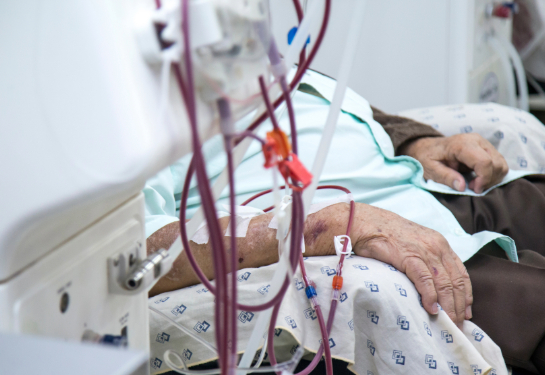
A landmark clinical trial has found that a less frequent dosing schedule of an oral anemia drug is safe for kidney dialysis patients, potentially simplifying treatment for millions who undergo the grueling procedure multiple times a week. The study, which enrolled more than 2,000 patients across over 160 dialysis facilities nationwide, evaluated whether the medication vadadustat (Vafseo) could be taken just three times per week instead of daily, aligning with a patient’s regular dialysis visits.
Approved by the U.S. Food and Drug Administration in 2024 for anemia caused by chronic kidney disease, vadadustat is currently prescribed for once-daily use. Many dialysis patients develop anemia because damaged kidneys produce less erythropoietin (EPO), the hormone that stimulates red blood cell production. Frequent blood draws and iron loss during dialysis sessions can further lower blood counts, leading to severe fatigue and other complications. The new schedule tested in the trial aims to reduce the burden of managing an extra daily medication at home.
Researchers compared the three-times-weekly oral treatment with the standard injectable therapy commonly used in dialysis patients. The study met its primary safety goals, demonstrating that the oral medication was at least as safe as the standard injectable therapy. In fact, patients receiving the oral drug experienced improved overall safety outcomes. Based on these results, an independent monitoring committee and the trial steering committee recommended ending the study early, citing the favorable safety profile observed among those taking the oral treatment.
“Offering patients a treatment that aligns with their regularly scheduled dialysis sessions ensures adherence and reduces the burden of managing yet another medication at home,” said Shuchi Anand, a kidney specialist at UC Davis Health who served on the trial’s executive steering committee. “We haven’t seen a new anemia therapy for people on dialysis in more than two decades. That makes it especially important to develop safe and effective alternatives.”
The findings offer a hopeful outlook for dialysis patients, who often juggle complex medication regimens alongside their thrice-weekly treatments. Researchers are now exploring next steps to bring this dosing option to clinical practice. “The scale and success of this trial should generate momentum for innovation and ultimately improve the quality of care for patients receiving dialysis,” Anand added.