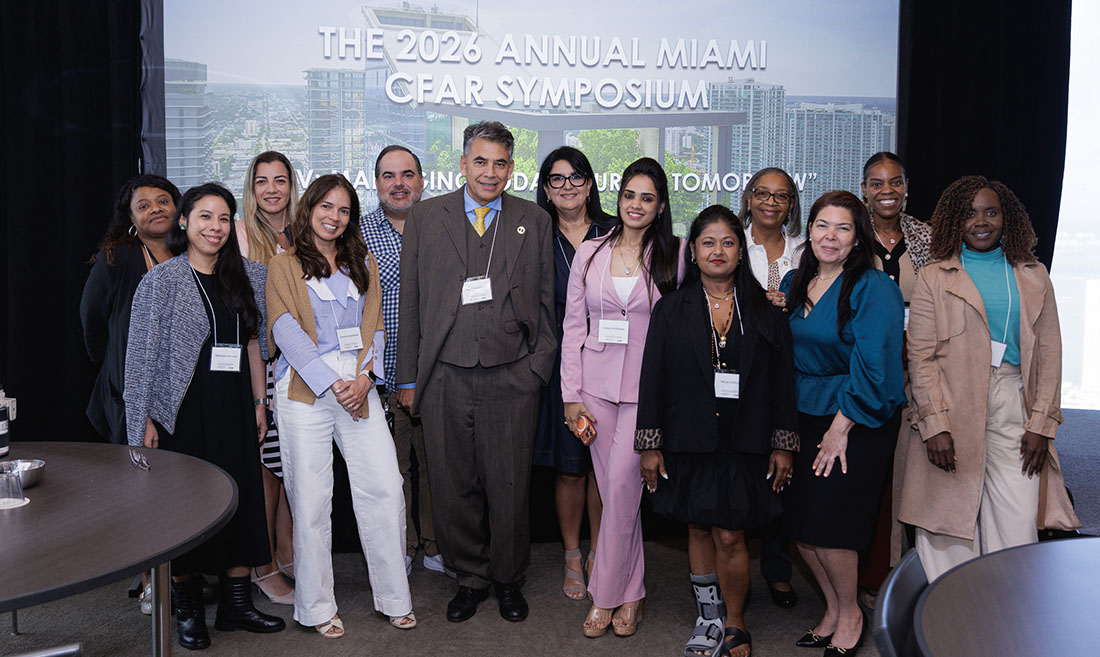
Scientists are closing in on a future where HIV could be managed with just two shots a year and potentially cured altogether, according to findings presented at a major research symposium. The gathering of leading HIV researchers highlighted remarkable progress in long acting therapies, gene based prevention strategies, and a deeper understanding of why the virus persists even after years of successful treatment.
One of the most promising developments comes from research on broadly neutralizing antibodies delivered through a single day of gene therapy. In a landmark preclinical study, a single administration of an adeno associated virus carrying multiple antibodies kept the virus suppressed below detectable levels for more than eight years. “This approach could be used for vaccine like prevention of infection in humans and create the vaccine that’s been missing for all this period of time,” said Ronald Desrosiers, a professor of pathology at the University of Miami Miller School of Medicine. Researchers are also exploring twice yearly antiretroviral injections, which could dramatically simplify treatment for millions of people living with HIV.
Despite the success of modern antiretroviral therapy in suppressing the virus, experts emphasized that viral suppression does not mean the disease is gone. About 30 to 35 percent of people on effective medications still experience neurocognitive defects, and many face accelerated aging conditions such as cardiovascular disease and frailty. “Suppressing the virus is necessary, but it is clearly not sufficient to restore health in people living with HIV,” said Steve Deeks from the University of California, San Francisco. The brain remains a critical reservoir where HIV can persist and cause ongoing damage, leading researchers to call for cure strategies that can cross the blood brain barrier.
New approaches to eradicating the virus focus on what scientists call a “kick and kill” strategy. This involves using a novel CD4 targeted latency reversal agent to activate dormant HIV infected cells and then eliminate them, potentially in combination with broadly neutralizing antibodies. “A cure strategy has to be durable. It cannot be temporary, where people rebound anytime,” said Romas Geleziunas of Gilead Sciences. Meanwhile, researchers are also turning to wastewater epidemiology as a tool to track HIV at the population level, since both treated and untreated individuals shed detectable HIV genetic material. This could help identify undiagnosed populations and monitor the effectiveness of prevention efforts.
Looking ahead, the field is moving toward a future where HIV prevention and treatment become simpler, more durable and more accessible. Implementation science is emerging as a critical bridge between laboratory breakthroughs and real world impact, ensuring that advances reach the communities that need them most. While challenges remain, the consensus among researchers is clear: the tools to manage and potentially cure HIV are rapidly evolving, and the next decade could transform the lives of millions. As one researcher put it, “The next frontier is to eradicate the infection.”