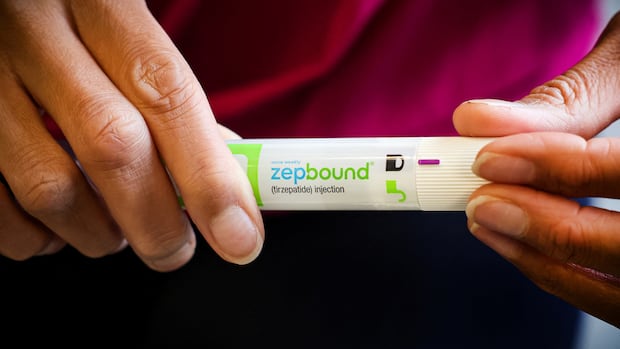
Health Canada has authorized the weight loss medication Zepbound for the treatment of obstructive sleep apnea in adults with obesity, making it the only GLP-1 drug approved in Canada for this condition. The approval, granted on June 11, offers a new treatment avenue for the millions of Canadians whose sleep is disrupted by repeated breathing interruptions caused by a blocked upper airway.
Obstructive sleep apnea occurs when throat muscles relax or excess fatty tissue compresses the upper airway during sleep. The disorder is closely linked to obesity and carries serious long term risks, including high blood pressure, heart attacks and strokes. Dr. Mandeep Singh, a clinician investigator in sleep science at University Health Network in Toronto, said the new approval is a welcome step. “A reduction of 25-29 events per hour would represent a meaningful change, potentially shifting someone from severe into a lower-severity category,” he said.
The active ingredient in Zepbound is tirzepatide, which targets both GLP-1 and GIP hormone receptors to reduce appetite and promote weight loss. Phase 3 clinical trials showed significant results: sleep apnea patients not using a CPAP machine experienced 25 fewer breathing interruptions per hour on tirzepatide, compared with five fewer on a placebo. Among those already using CPAP, patients saw 29 fewer interruptions per hour versus six on placebo. Health Canada spokesperson Marie-Pier Burelle emphasized that the drug is not an immediate replacement for CPAP therapy. “Patients taking Zepbound should not stop using their CPAP machine without a doctor’s guidance,” she said.
The medication is injected once weekly and must be used alongside a reduced calorie diet and increased physical activity. It is indicated for adults with a body mass index of 30 kg/m2 or higher. Common side effects include nausea, vomiting, diarrhea and constipation, while rare but serious risks include pancreatitis, bowel obstruction and gallstones.
Dr. Singh noted that more research is needed to determine whether tirzepatide could help sleep apnea patients who do not have obesity, and to separate the effects of weight loss from direct effects on the upper airway. For now, he said, the drug adds a valuable option for patients weighing treatment choices. “Whenever a patient is diagnosed with obstructive sleep apnea, we discuss the risks and benefits of various options. This medication will go on that list.”