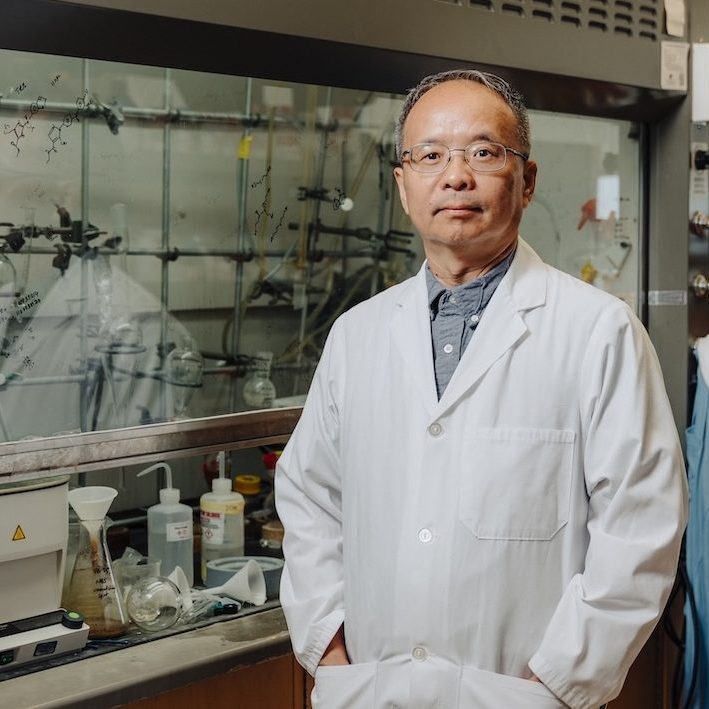
Researchers have advanced several novel drug candidates targeting difficult-to-treat conditions, including a compound for epilepsy now licensed to a biotech firm and a potential therapy for breast cancer that has spread to the brain. These developments, stemming from decades of medicinal chemistry work, highlight a pipeline of promising treatments moving closer to clinical application.
The epilepsy drug candidate, JW-65, originated from research into Alzheimer's disease but found its most immediate promise in controlling seizures. Scientists developed it to inhibit a specific calcium channel in nerve cells called TRPC3. Building on genetic studies that showed reducing TRPC3 activity lessened seizures in mice, researchers found JW-65 effectively reduced seizures in animal models. This potential led to a $1.14 million grant to further the work and culminated in the compound's licensing to a leading biotech company for continued development.
Another major compound, Sabizabulin, is an oral medication that works by disrupting microtubules, crucial components of a cell's structure. This action can slow tumor growth and hinder the transport of viruses within cells. In a Phase III clinical trial for severe COVID-19, the drug's sponsor reported it reduced mortality by 55%. Initially studied for castration-resistant prostate cancer, Sabizabulin is also in earlier stages of investigation for conditions including atherosclerotic cardiovascular disease and viral infections like smallpox.
Addressing the Challenge of Breast Cancer in the Brain
A distinct research front addresses the urgent problem of breast cancer that metastasizes to the brain, where survival odds are lower and treatment is notoriously difficult. The blood-brain barrier often blocks effective drugs from reaching these tumors. To overcome this, researchers have developed a new compound called SEAK193. It was discovered through collaboration funded by the National Cancer Institute and is specifically designed to help breast cancer patients with this serious complication, though it remains in the preclinical stage.
The next steps for these compounds involve further preclinical optimization and the pursuit of clinical trials. The licensing of JW-65 provides a pathway for its development as an anti-seizure medication, while research continues to explore its utility in cardiovascular diseases. The ongoing work on SEAK193 aims to translate laboratory discovery into a future treatment for brain metastases, offering hope for improved outcomes where options are currently limited.