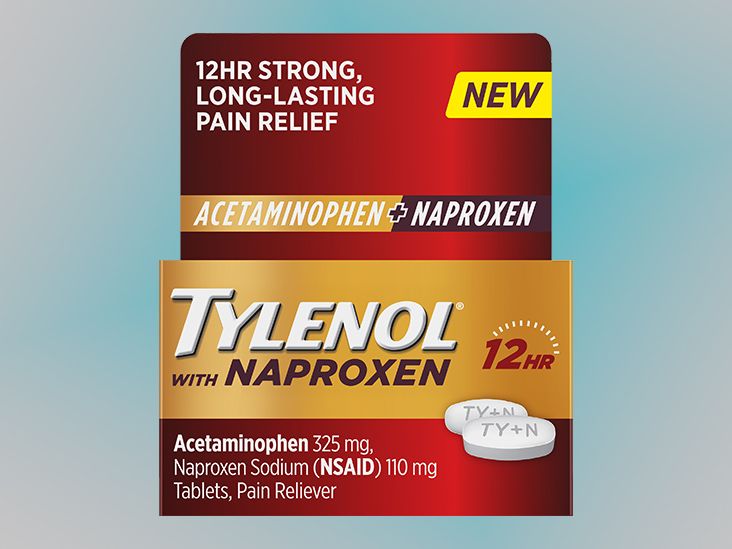
The U.S. Food and Drug Administration has approved a new over-the-counter pain reliever that combines two familiar non-opioid medications into a single tablet, offering patients a fast-acting and long-lasting option for minor aches and pains. The drug, Tylenol with Naproxen, pairs 325 milligrams of acetaminophen with 110 milligrams of naproxen sodium in each tablet, and is expected to be available at retailers across the United States soon.
Manufacturer Kenvue says the new medication begins working within 30 minutes and provides relief for up to 12 hours, bridging the gap between quick-acting acetaminophen and the extended duration of naproxen sodium. The company cited eight clinical studies showing that the combination provides “superior pain relief” compared with either ingredient used alone, though the results have not yet been published in a peer-reviewed journal. The findings are scheduled to be presented at PainWeek 2026 in September. The FDA has granted Kenvue a three-year period of exclusivity for the new formulation.
The drug is intended for temporary relief of headaches, backaches, muscular aches, toothaches, menstrual cramps, and minor arthritis pain in adults and children ages 12 and older. Kenvue noted that a company survey from March 2026 found that 75% of people with persistent pain are dissatisfied with their current relief options. The company also highlighted data from the U.S. Department of Labor indicating that up to 1 in 4 people prescribed opioids are at risk of addiction, positioning the new combination as a non-opioid alternative. “Tylenol with Naproxen addresses this gap by combining two well-established non-opioid pain relievers into a single, clinically proven over-the-counter therapeutic solution that requires no prescription and carries no opioid risk,” Kenvue officials said in a statement.
Some pain specialists have greeted the approval with measured enthusiasm. Dr. Vernon Williams, a sports neurologist and pain management specialist at Cedars-Sinai, called his view “favorable with some caution.” He noted that the 12-hour effectiveness window allows for fewer daily doses and that the product can provide an alternative to opioids. However, he warned that patients may mistakenly believe over-the-counter status means safety precautions can be ignored, potentially leading to overuse or dangerous combinations with other medications like aspirin. Dr. Sean Mackey, a pain medicine professor at Stanford University, described the innovation as primarily one of convenience. “Acetaminophen and naproxen have been available over the counter for decades, and patients and clinicians already use them together,” he said. “The main innovation is convenience: putting two familiar drugs into one tablet.”
The FDA emphasized that the new drug is part of a broader initiative to expand consumer access to verified over-the-counter medications. With an estimated 24% of U.S. adults living with chronic pain, according to the CDC, and rates rising among older adults and rural populations, the availability of a single-tablet non-opioid option may offer a practical new tool. Williams advised that while the medication can dull pain, it should not replace a medical evaluation. “Pain is a warning sign,” he said. “You want to be sure you have an assessment done on your symptoms.” For millions seeking simpler, safer relief, the arrival of Tylenol with Naproxen on store shelves represents a step toward more convenient pain management without the risks of addiction.