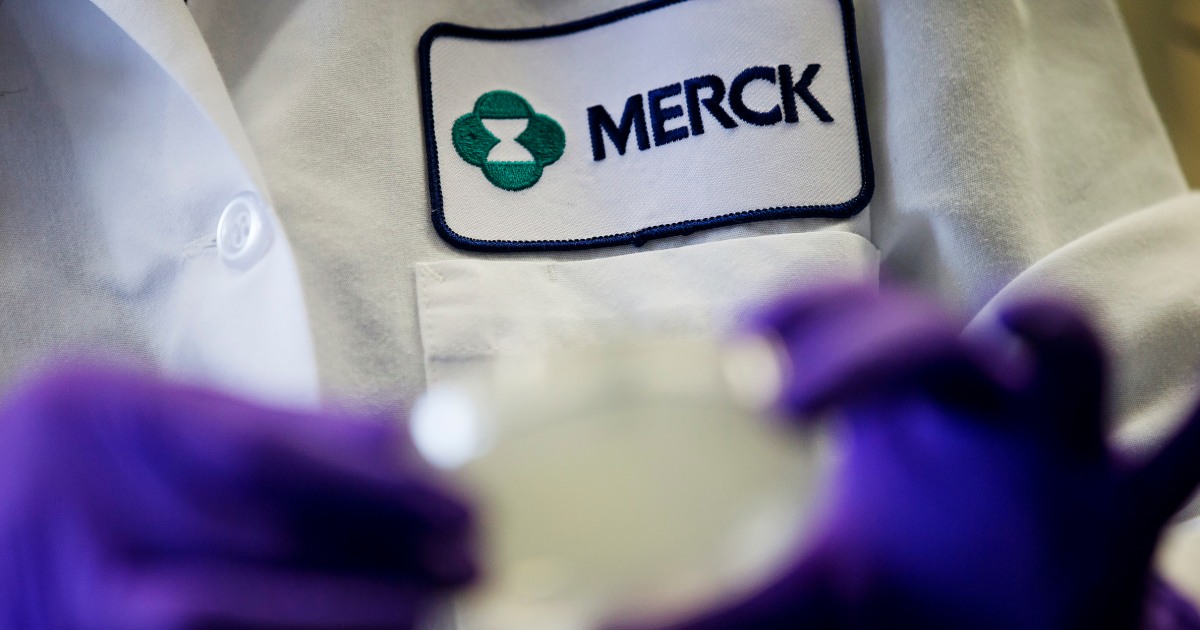
The U.S. Food and Drug Administration has approved a new once-daily cholesterol pill that offers a powerful alternative to statins, marking the first time a medication in its class has been available in oral form. The drug, called Lipfendra, belongs to a category of treatments known as PCSK9 inhibitors, which until now could only be given as injections.
Approved for adults with hypercholesterolemia, or high levels of LDL cholesterol, Lipfendra was shown in a late-stage clinical trial to lower LDL cholesterol by up to 60 percent after 24 weeks. A second trial focused on people with heterozygous familial hypercholesterolemia, a genetic condition that causes dangerously high cholesterol from birth, found similar reductions. Nearly all participants in both trials were already taking a statin, and many were also using ezetimibe, another cholesterol-lowering medication.
The drug works by blocking the PCSK9 protein, which plays a key role in the production of LDL cholesterol. Statins work differently by targeting an enzyme the liver uses to make cholesterol. The first PCSK9 inhibitor was approved in 2015 as an injection, with brands such as Repatha from Amgen and Praulent from Regeneron and Sanofi. Lipfendra is the first oral option in this class, offering a more convenient alternative for patients who dislike needles.
New Guidelines Call for Lower LDL Targets
The approval comes at a time when major medical organizations, including the American Heart Association and the American College of Cardiology, have issued updated guidelines urging more aggressive cholesterol treatment. People without heart disease risk factors should aim for LDL below 100 mg/dL. Those at high risk should target under 70 mg/dL, and people with existing heart disease should aim for under 55 mg/dL. About 1 in 4 U.S. adults have high LDL cholesterol, which can lead to plaque buildup in arteries and increase the risk of heart attack and stroke.
Merck has set the list price for Lipfendra at $10.50 per day, or $315 for a 30-day supply, though the company expects most patients will pay less out of pocket. For the millions of Americans who struggle to control their cholesterol despite statin therapy, this new daily pill offers a promising, easier to use option that could help more people reach their LDL goals and reduce their long-term cardiovascular risk.