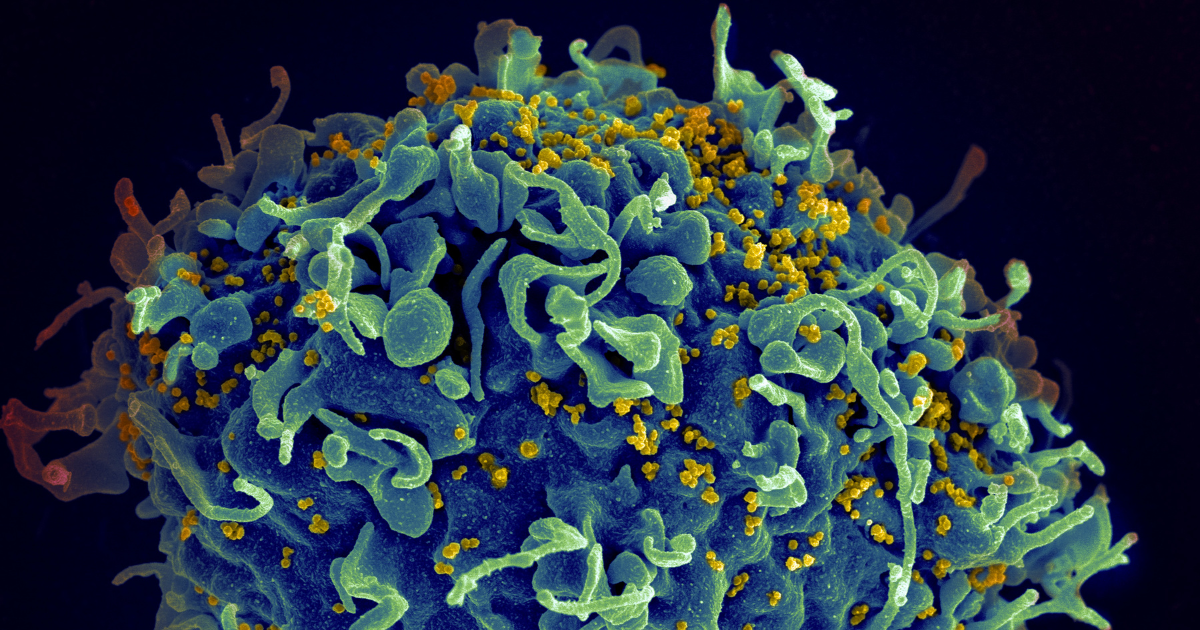
A new study has demonstrated that an epigenetic drug can successfully force dormant HIV out of hiding in immune cells, marking a significant advance in the long quest for a cure. The research shows the drug citarinostat effectively disrupts latent viral reservoirs, a major barrier to eradicating the infection entirely.
While antiretroviral therapy (ART) suppresses HIV to undetectable levels, it cannot eliminate the virus. HIV can lie dormant inside certain immune cells, forming latent reservoirs. If ART is stopped, these reservoirs can reactivate, causing the disease to rebound. The new research focuses on the "kick" phase of a "kick and kill" cure strategy, aiming to agitate these hidden cells so they can be targeted and destroyed. "Disruption is the first step," said lead researcher Guochun Jiang. "Our study highlights a promising class of drugs that can agitate and force HIV-infected immune cells to come out of latency."
Scientists have previously tested other drugs, like histone deacetylase (HDAC) inhibitors, to reverse HIV latency with limited success. This study found that citarinostat works differently, by selectively inhibiting a process called histone decrotonylation (HDCR). This process helps HIV remain silent and evade detection. By blocking HDCR, the drug increases a related marker, disrupts the latent state, and induces viral transcription, effectively re-awakening the hidden virus. The effect was shown in human white blood cells and in specialized brain tissue cells, a critical reservoir that is particularly difficult to reach.
The implications of this discovery extend beyond HIV. The identification of histone decrotonylation as a druggable target opens new avenues for treating other conditions driven by similar epigenetic dysregulation. "The development of selective HDCR inhibitors opens new possibilities for reprogramming gene expression in cancer, neurological disorders, acute kidney injury, and other diseases," Jiang noted.
While this laboratory finding is a crucial proof-of-concept, it moves the field forward. The next steps involve further preclinical development and testing to see if citarinostat or similar drugs can be safely and effectively used as part of a combination therapy to fully clear the virus in living organisms, offering renewed hope for a future HIV cure.