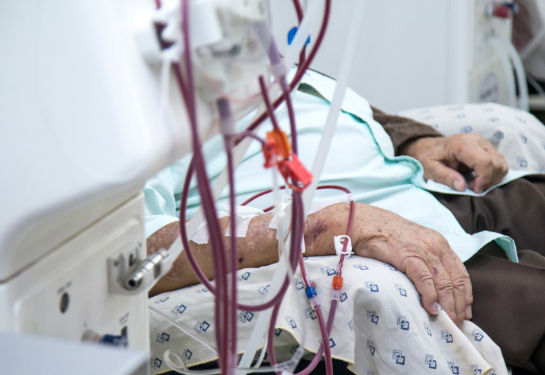
A new clinical trial has found that an oral anemia medication taken just three times a week is as safe as standard daily therapy for kidney dialysis patients, potentially easing the burden of managing yet another pill at home. The study, which enrolled more than 2,000 patients across 160 dialysis centers nationwide, evaluated a reduced dosing schedule for vadadustat (Vafseo), a drug approved by the U.S. Food and Drug Administration in 2024 to treat anemia caused by chronic kidney disease.
Many dialysis patients develop anemia because damaged kidneys produce less erythropoietin, the hormone that stimulates red blood cell production. Frequent blood draws and iron loss during dialysis sessions can further lower blood counts. Current treatment often involves iron supplements and injectable EPO-stimulating drugs, but the new study tested whether giving vadadustat three times weekly, timed with a patient’s regular dialysis visits, could offer a simpler alternative. Researchers tracked patient outcomes including hospitalizations and deaths, and found that the oral medication was at least as safe as standard injectable therapy. Notably, patients receiving the oral drug experienced improved overall safety outcomes.
The trial’s success was so clear that an independent monitoring committee and the trial steering committee recommended ending the study early. “Offering patients a treatment that aligns with their regularly scheduled dialysis sessions ensures adherence and reduces the burden of managing yet another medication at home,” said Shuchi Anand, a kidney specialist at UC Davis Health who helped design and oversee the study. She noted that no new anemia therapy for dialysis patients had emerged in more than two decades, making this development especially important.
What This Means for Patients and Care
For the roughly 550,000 Americans on dialysis, the findings could lead to a more convenient treatment option that cuts daily pill burden while maintaining safety. The study enrolled a large and diverse patient population, which researchers say strengthens the reliability of the results. “Dialysis is a burdensome therapy for patients,” Anand said. “The scale and success of this trial should generate momentum for innovation and ultimately improve the quality of care for patients receiving dialysis.”
Researchers are now working to publish the full data and expect the three-times-weekly dosing schedule to be considered for regulatory labeling updates. If adopted, the approach could help thousands of patients avoid the hassle of daily medication while still managing their anemia effectively. The study underscores a hopeful shift toward simpler, patient-centered treatments in kidney care.