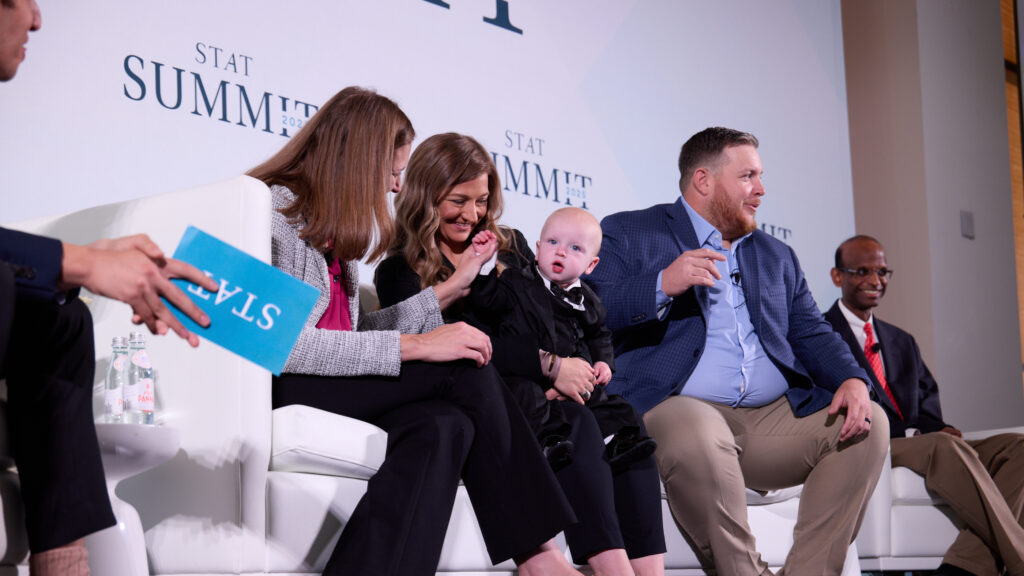
A groundbreaking, one-time use of CRISPR gene editing in a six-month-old infant has marked a defining moment for medical science in 2025, offering a blueprint for treating ultra-rare genetic disorders. The experimental intervention successfully altered the course of the baby's life-threatening liver disease, averting the need for a transplant and demonstrating the potential for highly personalized genetic medicine.
The patient, KJ Muldoon, suffered from a unique mutation that CRISPR technology was used to correct directly in the cells of his liver. While not a complete cure, the treatment allowed him to resume a normal diet and freed him from the imminent liver transplant he otherwise faced. This case represents a significant leap in applying the Nobel Prize-winning tool, moving beyond clinical trials for common mutations to address a genetic flaw so rare it warranted a custom-designed therapy.
What sets this advance apart is its bespoke nature. Researchers at the University of Pennsylvania developed the treatment specifically for KJ, highlighting a shift toward patient-specific genetic solutions. The success proves the technical feasibility of such an approach but immediately raises profound questions about how healthcare systems can logistically and financially adapt to deliver one-off therapies for individuals.
Looking ahead, the medical community is grappling with the challenges of scaling this model. The focus now turns to creating pathways for developing, approving, and reimbursing personalized genetic treatments so that other patients with rare conditions might benefit. Despite a complex year for research policy, this case offers a hopeful outlook, signaling a new frontier where medicine can be tailored to the individual genome with life-altering results.