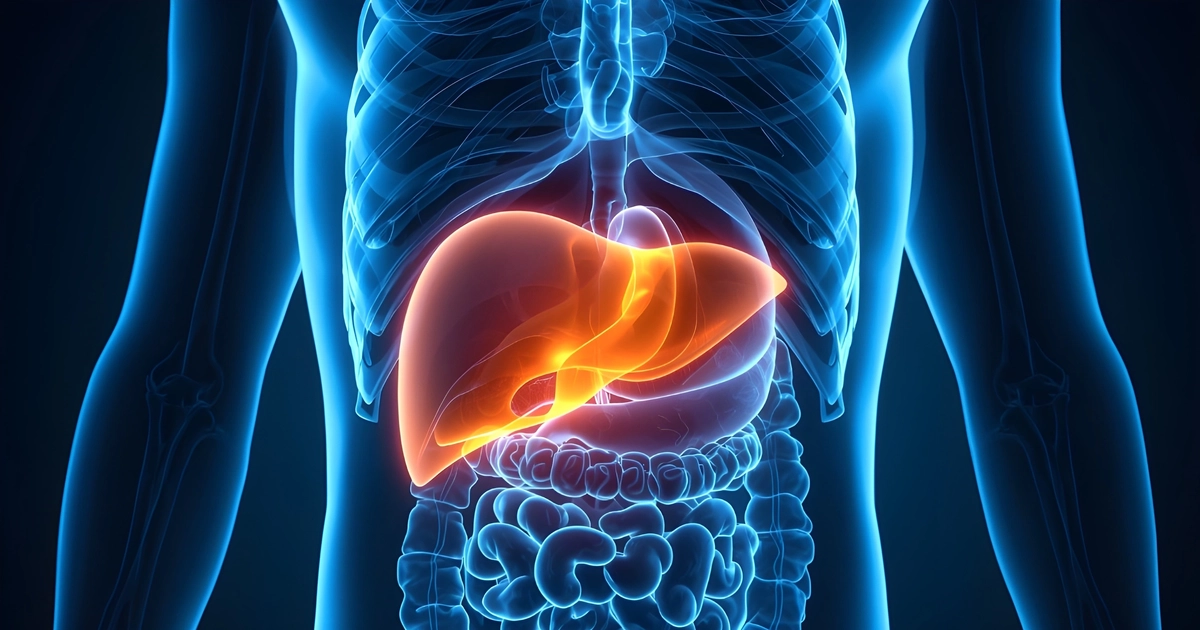
A widely available medication used to control bleeding during surgery may also protect the liver from a life threatening complication, according to new research that upends decades of scientific consensus. Patients who received tranexamic acid, or TXA, were roughly three times less likely to develop post-hepatectomy liver failure, a leading cause of death after liver surgery.
The discovery began in a veterinary medicine laboratory where scientists were testing a long held hypothesis about how the liver regenerates. Researchers expected to confirm that plasminogen, a protein that breaks down blood clots, was essential for liver repair. Instead, when they reduced plasminogen levels in mice, the liver produced more new cells and showed stronger regeneration after surgery. “Not only was the hypothesis wrong, the result was essentially the opposite of what we anticipated,” said James Luyendyk, the lead researcher.
The unexpected finding caught the attention of surgeons at Mayo Clinic who were analyzing data from a multicenter clinical trial called HeLiX. That trial was testing TXA’s ability to reduce bleeding, but the lab results prompted a new question: could the drug also improve liver recovery? When researchers examined the patient data, they found that those who received TXA had significantly lower odds of developing liver failure compared with those who received a placebo. The medication is already low cost and widely available, raising the possibility of a quick clinical impact.
What the Findings Mean for Patients
For patients undergoing liver surgery for cancer or other serious diseases, the risk of post-hepatectomy liver failure is a major concern. The new findings suggest that a pathway long thought to support regeneration may actually be a target for improving outcomes. “The possibility that a widely available, low cost medication could substantially reduce this risk is exciting,” said Patrick Starlinger, a liver surgeon involved in the trial. He noted that without the animal studies, the team likely would not have examined this connection.
Additional research is needed to confirm the results and determine the best use of TXA in liver surgery. The work also highlights the One Health approach, where discoveries in animals inform human medicine and may eventually help veterinary patients as well. Liver surgery is performed on dogs with tumors, and future studies could extend the benefits across species. For now, the study offers a hopeful reminder that even long held scientific beliefs can be overturned by following the data. “Science moves forward when you are willing to follow the data, even when it tells you you are wrong,” Luyendyk said.