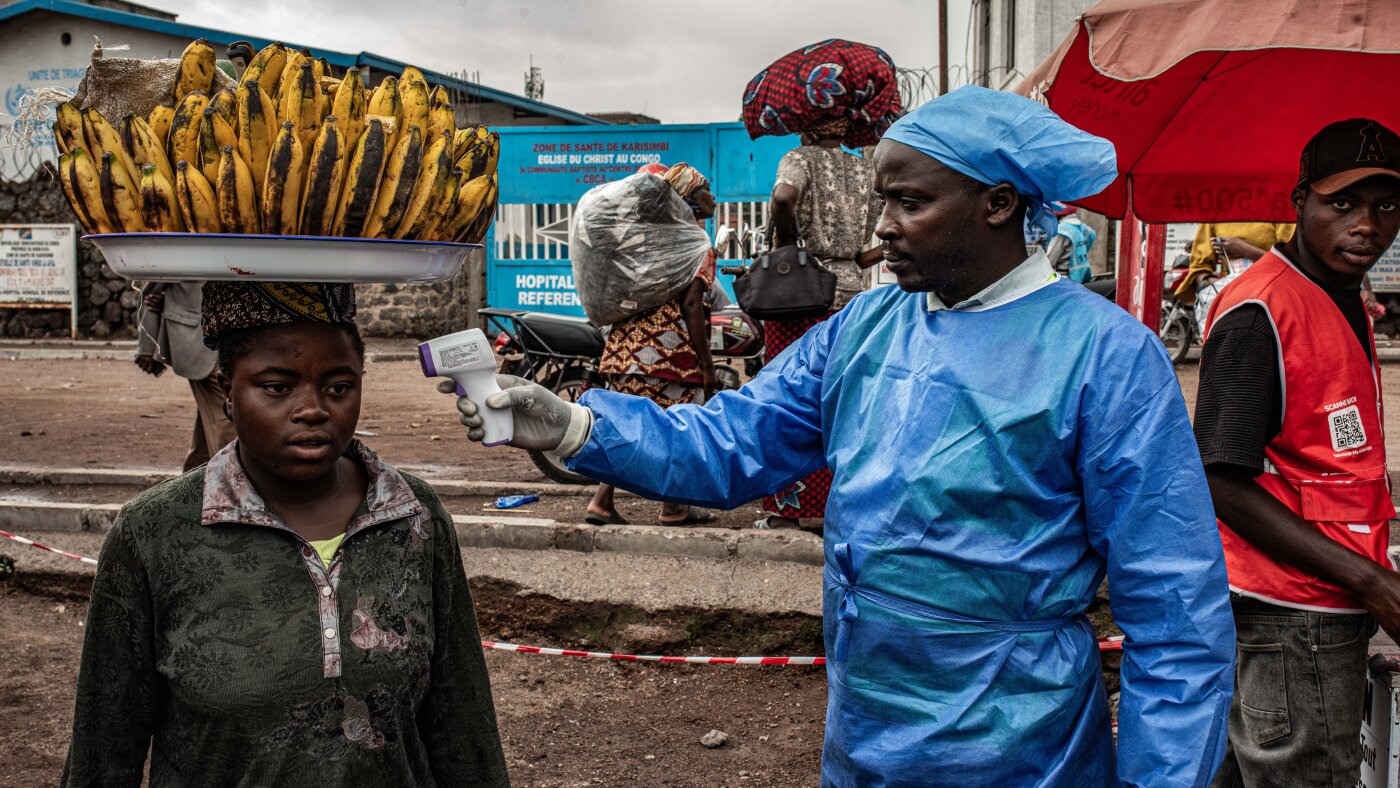
For the first time, patients infected with the rare Bundibugyo strain of Ebola are receiving experimental treatments in a clinical trial, offering a glimmer of hope in an outbreak that has already killed more than 500 people in the Democratic Republic of Congo and Uganda. With no specialized therapies ever developed for this strain, health officials have urgently launched a research effort to test existing drugs that might save lives and prevent new infections.
The World Health Organization announced last week that the first patients have been enrolled in a trial testing two drugs against Bundibugyo virus disease, a rarer species of Ebola than the well-studied Zaire strain behind most previous outbreaks. The drugs being tested are remdesivir, an antiviral that gained prominence during the COVID-19 pandemic, and MBP-134, a monoclonal antibody cocktail designed to mimic the immune system’s natural defenses. Both are delivered intravenously and will be tested alone and in combination against the current standard of supportive care, which focuses on replacing fluids and managing pain.
A third trial, expected to begin this week, will test whether the oral antiviral obeldesivir can protect people who have been exposed to the virus from developing the disease. This approach, known as post-exposure prophylaxis, relies on contact tracers quickly identifying close contacts of confirmed cases. Researchers will visit participants twice daily to deliver the pill and monitor for symptoms. “One of the key lessons from recent outbreaks is that research needs to happen alongside the response, not after it,” said Amanda Rojek, a physician scientist at the University of Oxford coordinating the treatment trials. The effort is a collaboration between the WHO, Africa CDC, universities and nonprofits.
Community Trust Is Key to Success
All three trials face significant challenges beyond the virus itself. The outbreak is unfolding in a region beset by armed conflict, and several health centers have been attacked, fueled by community mistrust of outside health workers. WHO officials declined to disclose the exact location of the clinic now enrolling patients, in order to protect clinicians. Building trust through extensive community advisory meetings with healthcare workers and faith groups is seen as essential for running an ethical and effective trial. “Discussions with the community are absolutely central,” said Vasee Moorthy, WHO’s research and development lead for the outbreak.
Researchers caution that definitive answers on the drugs’ effectiveness could take months or require more than 1,000 patients to be enrolled. However, if either treatment proves highly effective, that timeline could shorten. A vaccine for Bundibugyo remains months away from testing, making these drug trials the best near-term hope for turning the tide against an outbreak that some experts warn could become the largest Ebola epidemic on record.