A new vaccine for a rare and aggressive childhood cancer has cut relapse rates by half in some patients, offering fresh hope for families facing a diagnosis that once carried a near zero chance of survival. The breakthrough emerged from a clinical trial at Memorial Sloan Kettering Cancer Center, where researchers tested a vaccine designed to prevent recurrence of high-risk neuroblastoma.
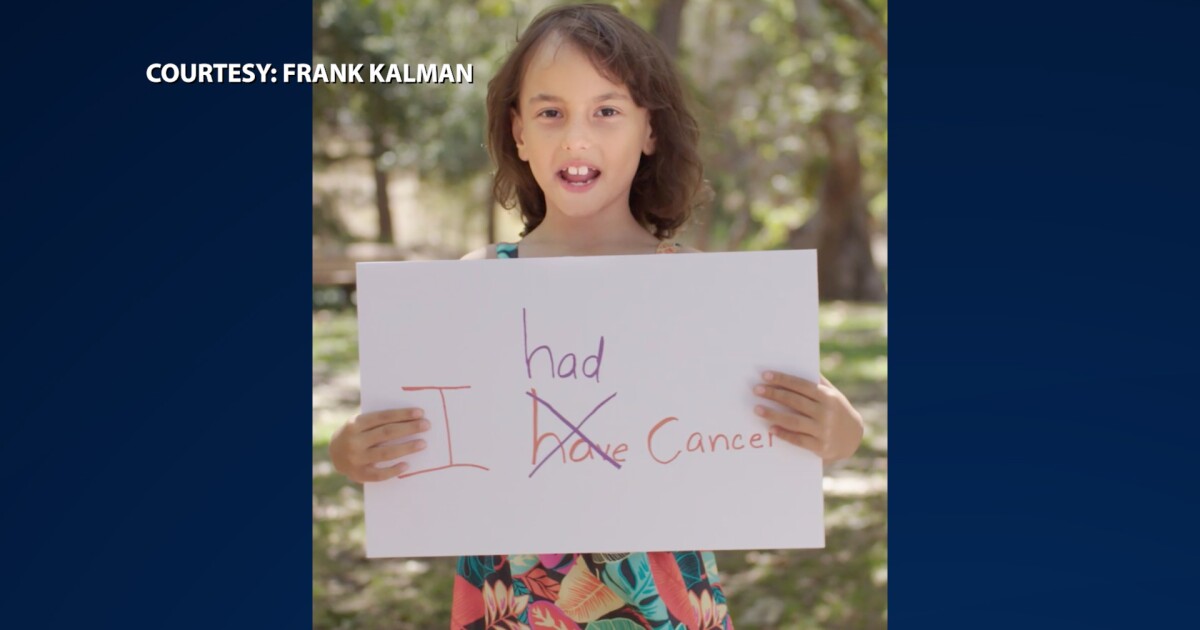
Neuroblastoma strikes about 700 children in the United States each year, often before age five. For one family, the diagnosis came when their 12 year old daughter was given a 45 percent chance of survival. After the cancer returned, doctors told them her chances had dropped to zero. The family refused to accept that outcome, traveling across the country to find specialists who could help. Their daughter survived, but many other children she met did not. That loss spurred the family to create End Kids Cancer, a foundation that now funds pediatric oncology research.
One of the projects the foundation helped support was the vaccine trial. Researchers found the neuroblastoma vaccine reduced relapse rates by about 50 percent in some patients. But the vaccine did not work for everyone, prompting scientists to ask why. Now, pediatric oncologists are investigating whether the answer lies in the gut microbiome, the trillions of bacteria living in the digestive system. Early research suggests certain microbes may improve how well children respond to immunotherapy and cancer vaccines designed to keep them in remission.
Dr. Oriana Miltiadous, a researcher involved in the study, said understanding which bacteria are linked to better outcomes could help doctors create more personalized treatment plans. The work also points toward therapies that may be both more effective and less toxic for young patients. According to the Pediatric Cancer Research Foundation, only about 4 percent of federal cancer research funds go to pediatric cancers, making community funding essential for progress like this.
A Hopeful Outlook for Pediatric Cancer Care
Dr. Miltiadous noted that decades of research and community support have already transformed outcomes. Nearly 80 percent of childhood cancers are now curable, a dramatic shift from previous generations. The family behind End Kids Cancer sees that progress firsthand. The 12 year old girl who inspired the foundation is now 37 years old, healthy, married, and thriving. Researchers say continued funding and microbiome studies could lead to even better treatments, turning more dire diagnoses into stories of survival.