Millions of Americans with autoimmune diseases could one day receive a single treatment that resets their immune system, thanks to a groundbreaking cancer therapy now being tested for a new purpose. Early clinical trials suggest that CAR T-cell therapy, already used to fight certain blood cancers, may offer lasting relief for conditions like lupus, scleroderma, and multiple sclerosis.
About 8% of people in the United States live with an autoimmune disease, where the immune system mistakenly attacks healthy cells, tissues, or organs. Researchers estimate there are between 80 and 150 such conditions, many of which are chronic, debilitating, and difficult to diagnose. Current treatments often require daily pills, regular infusions, or injections that broadly suppress the immune system and carry significant side effects.
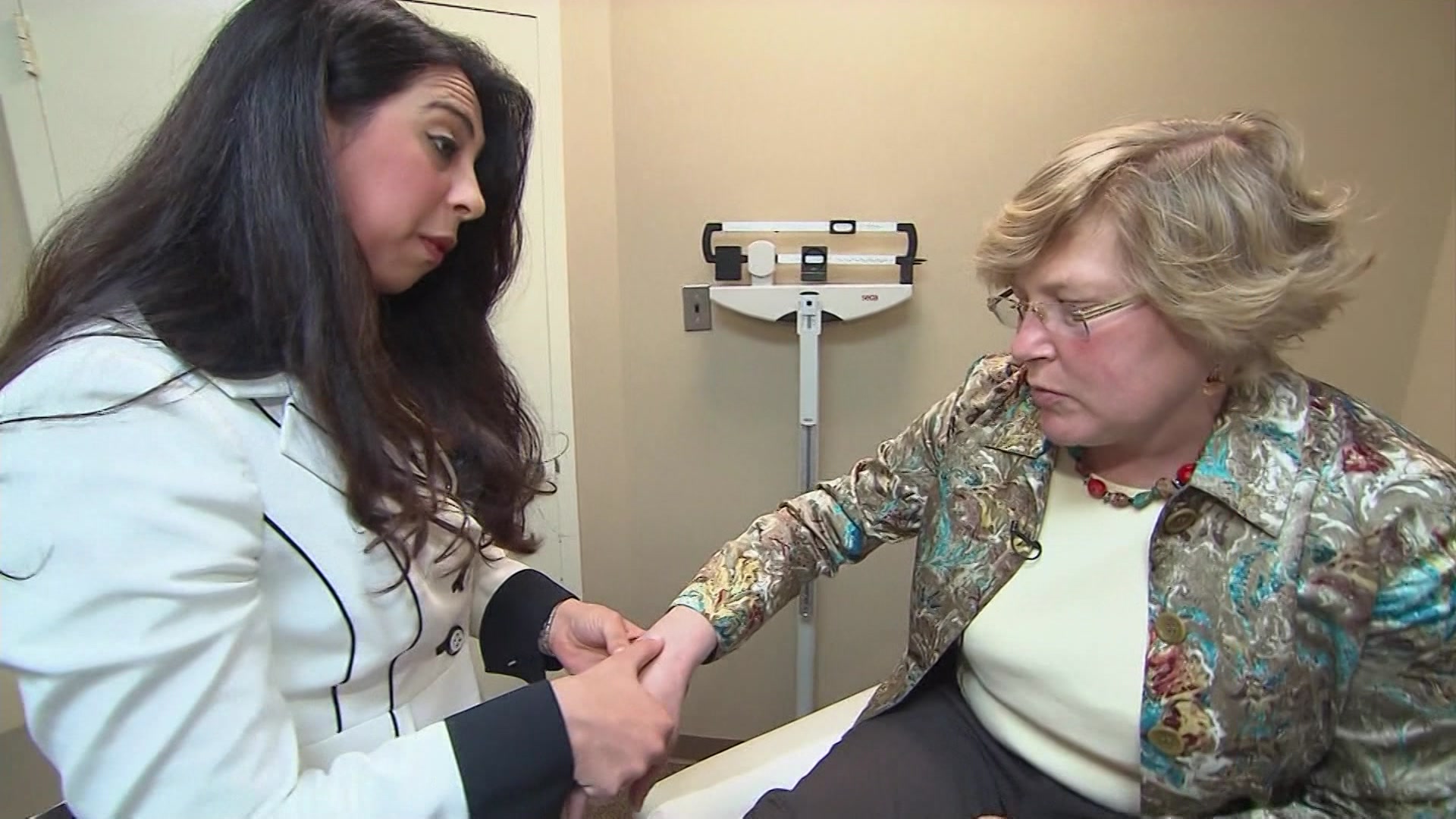
Dr. Alicia Lieberman of Roswell Park Comprehensive Cancer Center is leading research into repurposing CAR T-cell therapy for autoimmune diseases. The therapy works by genetically engineering a donor’s or patient’s own T-cells to target and eliminate problematic immune cells. “Patients with severe lupus and lupus nephritis, scleroderma, even other neurologic conditions such as MS and stiff person syndrome, patients who have undergone this treatment have experienced significant improvement in their symptoms, if not reversal,” Lieberman said. The goal is a one-time treatment that acts as an “immune reset,” potentially freeing patients from lifelong medication.
What This Means for Patients
If successful, CAR T-cell therapy could transform the management of autoimmune diseases. Instead of dampening the immune system indefinitely with drugs that have side effects, the therapy aims to reprogram it at a fundamental level. “This would be an immune reset,” Lieberman explained. “The hope is that people will not need treatments long-term.” The research is still in early clinical trials, but the results so far are promising, offering a hopeful outlook for millions who currently face a lifetime of symptom management.
While more studies are needed to confirm safety and long-term effectiveness, the potential for a one-time cure-like intervention represents a paradigm shift. For patients with severe, treatment-resistant autoimmune conditions, this line of research brings renewed optimism that a single therapy could one day restore their health and independence.