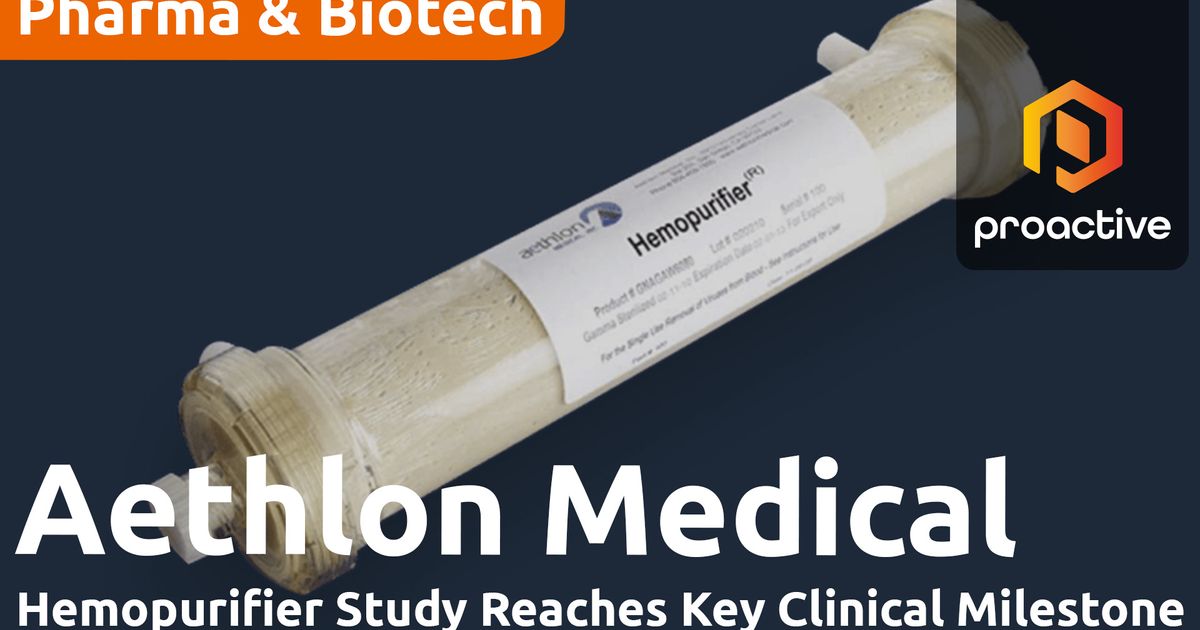
A medical device originally designed to filter viruses from the blood is now nearing a key milestone in its study as a potential cancer therapy. Aethlon Medical has reported that its clinical trial for the Hemopurifier is more than two thirds complete, with the final cohort of patients currently being enrolled and treated.
The Hemopurifier is an investigational device that works with existing dialysis and blood pumping systems. It uses a plant lectin based mechanism to bind and remove harmful particles from the bloodstream. The focus of the current study is on cancer associated extracellular vesicles, or EVs, which are tiny particles believed to contribute to tumor growth, immune suppression, and the spread of cancer. The trial is being conducted in Australia and includes three cohorts that evaluate increasing treatment frequency. The first two cohorts have been completed, and researchers are analyzing changes in EV levels and immune system biomarkers with laboratory support from the University of Sydney.
The device has received two FDA Breakthrough Device Designations. One designation targets life threatening viral infections with no approved treatments, and the other is for oncology applications. While Aethlon initially concentrated on infectious diseases such as Ebola, the company has shifted its primary development focus toward cancer treatment. The core concept of the therapy is that removing cancer associated EVs from the blood may help restore immune system function and potentially reduce metastatic disease progression.
Aethlon expects to complete the final cohort during the summer. Following that, the company plans to conduct data analysis and make regulatory submissions in Australia and the United States later in 2026. The results could provide important insights into the potential of the Hemopurifier as a novel adjunct therapy in oncology, offering a new tool in the fight against metastatic cancer.